Is your smart home feeling more like a smart headache? If your devices keep dropping connections or your video calls freeze at the worst moments, your WiFi might be the problem.
You deserve a home network that’s strong, reliable, and covers every corner without dead zones. That’s where mesh WiFi steps in. Imagine seamless internet that follows you from room to room, powering all your smart gadgets without interruption. Ready to discover how mesh WiFi can transform your smart home into a stable, stress-free zone?
Keep reading to find out.
Why Mesh Wifi Suits Smart Homes
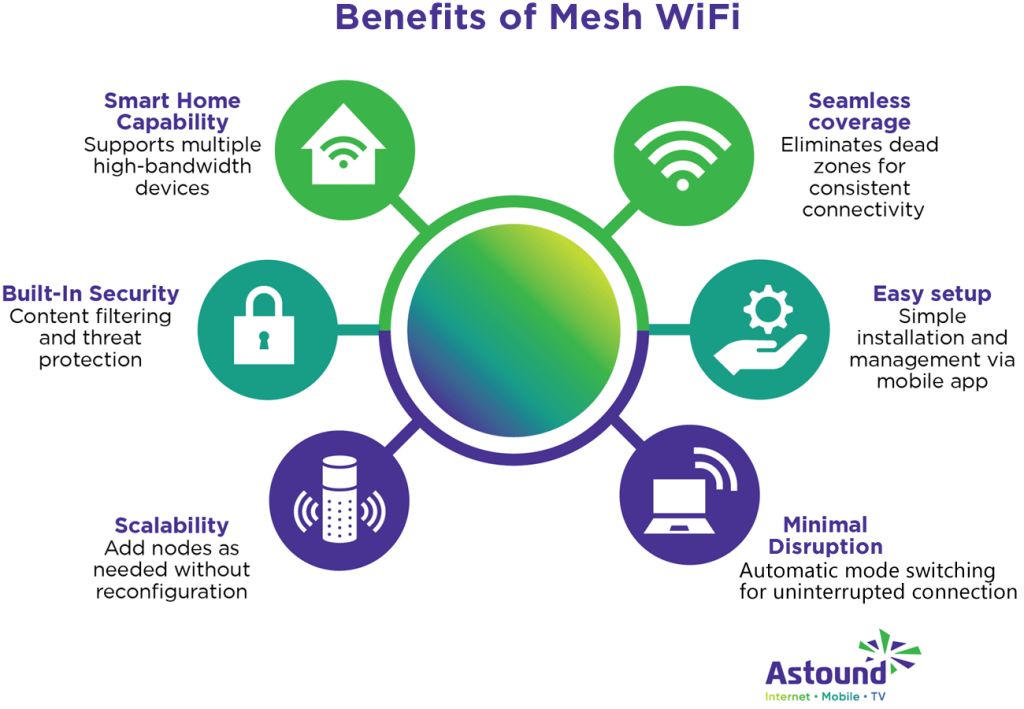
Smart homes rely on many connected devices to work well. These devices need a strong and steady internet signal. Mesh Wifi systems help by spreading the signal evenly across the home.
Unlike traditional routers, mesh networks cover all corners of your house. This keeps smart devices connected without interruptions.
Limitations Of Traditional Routers
Traditional routers have limits. They send wifi from a single point, which can cause weak spots in large or multi-story homes. Walls and furniture block signals, making devices lose connection.
- Signal drops in far rooms
- Slow internet when many devices connect
- Interference from household items
- Hard to expand coverage without extra hardware
Benefits For Connected Devices
Mesh wifi supports many smart devices at once. It balances the load so no device slows the network down. Devices switch smoothly between nodes as you move through the home.
| Feature | Traditional Router | Mesh Wifi |
| Number of devices supported | Limited | Many |
| Signal consistency | Weak in some areas | Strong throughout |
| Device handoff | Often drops | Smooth and seamless |
| Network speed | Slows with many devices | Maintains speed |
Coverage And Signal Strength
Mesh wifi uses several nodes placed around the home. Each node sends and receives signals, creating a strong network. This setup removes dead zones and keeps the signal steady.
- Nodes cover different rooms and floors
- Automatic signal boosting between nodes
- Easy to add more nodes for bigger homes
- Strong connection for streaming and smart devices

Credit: www.reddit.com
Key Features Of Reliable Mesh Systems
Mesh wifi systems help keep your smart home network stable. They use multiple devices to cover all areas with strong wifi signals.
Good mesh systems have special features to keep your connection fast and reliable without interruptions.
Self-healing Networks
Self-healing networks fix themselves when one device stops working. The other devices find a new path for your data.
This feature keeps your smart home devices connected even if one mesh point has a problem.
Seamless Roaming
Seamless roaming lets your devices switch between mesh points without losing connection. It works smoothly as you move around your home.
- Walk from room to room without wifi drops
- Stream videos without buffering
- Make calls without interruptions
Adaptive Bandwidth Management
This feature adjusts bandwidth to match your needs. It gives more speed to devices that need it most.
| Device Type | Bandwidth Priority |
| Smart TV | High |
| Security Cameras | Medium |
| Smart Thermostat | Low |
Setting Up Mesh Wifi For Maximum Stability
Mesh wifi systems help keep your smart home network strong. They use many devices called nodes to spread wifi evenly.
Setting up your mesh wifi right makes your connection stable. It stops weak signals and keeps all devices online.
Optimal Node Placement
Place nodes where wifi signals can travel easily. Avoid walls and large metal objects that block signals.
Keep nodes close enough to each other. Too far apart, and the signal drops. Too close wastes coverage.
- Put the main node near your internet source
- Place other nodes in open areas, not hidden
- Try to cover all rooms with at least one node
- Avoid floors or ceilings that block signals
Network Configuration Tips
Use the mesh wifi app to configure your network. It guides you to set up channels and bands correctly.
Set your wifi to use both 2.4 GHz and 5 GHz bands. 2.4 GHz covers more distance, 5 GHz is faster but shorter.
- Check for firmware updates for better performance
- Enable automatic channel selection to avoid interference
- Assign a strong, simple password to secure the network
- Use Quality of Service (QoS) to prioritize smart devices
Integrating With Existing Devices
Connect your smart home devices to the mesh network for stability. Make sure each device is compatible with your wifi.
Some older devices may only work on 2.4 GHz. Keep this in mind when placing nodes and setting bands.
- Check device manuals for wifi requirements
- Rename the wifi network to match your old setup if needed
- Use wired connections for stationary devices like smart TVs
- Restart devices after connecting to the new mesh network
Troubleshooting Common Mesh Wifi Issues
Mesh Wifi systems help keep your smart home network stable. Yet, they can sometimes run into issues. This guide will help troubleshoot common problems.
Learn how to fix signal interference, update firmware, and manage device overload. These solutions will improve your network performance.
Signal Interference Solutions
Interference can disrupt your Wifi signal. Many household items can cause this. Here are ways to reduce interference:
- Keep the router away from microwaves and cordless phones.
- Avoid placing the mesh nodes near metal objects.
- Switch to a less crowded Wifi channel.
Firmware Updates And Maintenance
Regular updates keep your mesh network secure and efficient. Outdated firmware can lead to performance issues. Follow these steps:
- Log into your router’s web interface.
- Check for available firmware updates.
- Download and install updates as needed.
- Reboot your router for changes to take effect.
Handling Device Overload
Too many devices can slow down your network. Manage connections wisely to maintain speed. Here’s a simple guide:
| Device Type | Priority Level |
| Smart TV | High |
| Laptop | Medium |
| Smartphone | Low |
Prioritize essential devices by adjusting their priority level. Disconnect non-essential gadgets when not in use.
Top Mesh Wifi Systems For Smart Homes
Mesh wifi systems improve internet coverage in smart homes. They connect multiple devices with stable signals.
Choosing the right mesh wifi helps keep your smart home devices running smoothly. This guide covers top options for different needs.
High-performance Models
High-performance mesh wifi systems deliver fast speeds and wide coverage. They suit large homes with many smart devices.
| Model | Max Speed | Coverage Area | Best For |
| Model A | 3000 Mbps | 6000 sq ft | Large homes, many devices |
| Model B | 2400 Mbps | 5000 sq ft | Homes with heavy streaming |
| Model C | 2600 Mbps | 5500 sq ft | Gaming and smart home hubs |
Budget-friendly Options
Affordable mesh wifi systems still give good coverage and speed. They work well for small to medium homes.
- Easy to set up for beginners
- Good range for most rooms
- Supports multiple devices
- Offers reliable connection
- Lower cost than premium models
Future-ready Technologies
Future-ready mesh wifi uses new tech to keep your smart home updated. They support fast data and many devices.
| Technology | Benefit | Example Feature |
|---|---|---|
| Wi-Fi 6 | Faster speeds and better device handling | Improved battery life for devices |
| Tri-Band | Less interference, more bandwidth | Separate channels for streaming and gaming |
| Mesh Backhaul | Dedicated link between nodes | Stable connection across large areas |
Credit: www.astound.com
Enhancing Security On Mesh Networks
Mesh WiFi systems help keep smart home devices connected. They also need strong security to protect your data. This guide covers ways to improve security on your mesh network.
Securing your mesh WiFi stops intruders from accessing your devices. It also keeps your personal information safe from hackers.
Encryption Standards
Encryption scrambles your data so outsiders cannot read it. Use the latest encryption methods for the best protection. WPA3 is the current standard for WiFi security. It offers better safeguards than older versions.
- WPA3 uses stronger algorithms to stop hacking attempts.
- It protects both your WiFi password and data traffic.
- Many mesh systems support automatic updates to use WPA3.
Parental Controls And Guest Access
Parental controls help manage what children see online. Guest access lets visitors use your WiFi without reaching your main devices. Both features add layers of security to your mesh network.
| Feature | Purpose | Benefit |
| Parental Controls | Block harmful sites and limit usage | Protect children from unsafe content |
| Guest Access | Separate network for visitors | Keep main network private and secure |
Regular Security Audits
Check your mesh network settings often. Look for unknown devices or weak passwords. Keep the system software up to date. These actions help find and fix security issues quickly.
Follow these tips for regular audits:
- Log in to your mesh system dashboard monthly.
- Review connected devices and remove unknown ones.
- Change passwords every few months.
- Update firmware as soon as new versions are available.
Impact Of Mesh Wifi On Smart Home Automation
Mesh Wifi systems are essential for smart homes. They help ensure strong and stable internet throughout the house.
With mesh Wifi, all smart devices connect without interruptions. This enhances the automation experience in your home.
Improved Device Responsiveness
Mesh Wifi boosts how fast devices respond. Smart lights and thermostats react quickly to commands.
Devices stay connected even in large homes. This ensures smooth operation for all smart gadgets.
- Faster command execution
- Consistent connectivity
- Improved user experience
Energy Efficiency Benefits
Mesh Wifi helps smart devices use less energy. Efficient connections reduce power consumption.
Smart thermostats and lights adjust better with stable signals. This saves energy and lowers bills.
| Reduced energy use | Lower utility costs |
| Eco-friendly home | Less device strain |
Scalability For Growing Networks
Mesh Wifi allows easy expansion. Add more devices without losing speed or reliability.
As your smart home grows, mesh systems support new gadgets. This makes upgrading simple and efficient.
- Seamless integration
- Future-proof network
- Supports more devices

Credit: www.vesternet.com
Frequently Asked Questions
What Is Mesh Wifi In Smart Home Networks?
Mesh WiFi uses multiple nodes to create a seamless wireless network. It improves coverage and stability across your entire home. This system avoids dead zones and supports smart devices efficiently.
How Does Mesh Wifi Improve Smart Home Stability?
Mesh WiFi provides consistent signals by dynamically routing data through nodes. It reduces interference and maintains strong connections for smart home devices. This ensures your network stays reliable even with many connected gadgets.
Can Mesh Wifi Handle Multiple Smart Devices Simultaneously?
Yes, mesh WiFi is designed to support numerous devices at once. It balances traffic across nodes to prevent congestion. This capability is ideal for busy smart homes with many connected sensors and appliances.
Is Mesh Wifi Better Than Traditional Routers For Smart Homes?
Mesh WiFi offers wider coverage and fewer dead spots than traditional routers. It adapts to your home layout and device locations. This leads to improved network stability for smart home systems.
Conclusion
Mesh WiFi helps keep your smart home devices connected well. It covers every corner with strong WiFi signals. You avoid dead spots and slow internet. Devices like cameras, lights, and speakers work smoothly. Setting up mesh WiFi is simple and saves time.
Your smart home stays reliable and easy to use. A stable network means fewer interruptions and better control. Mesh WiFi supports your growing number of devices easily. Choose mesh WiFi for a steady, stress-free smart home experience.