Are you struggling with slow internet or dead zones in your smart home? Choosing the right WiFi setup can make all the difference.
Should you go for a traditional router or invest in a mesh WiFi system? Your smart devices, from lights to security cameras, depend on a strong and reliable connection. You’ll discover which option fits your home best, so you can enjoy seamless control without interruptions.
Keep reading to find out how to boost your smart home’s performance and say goodbye to frustrating WiFi issues.
Credit: www.tomsguide.com
Mesh Wifi Basics
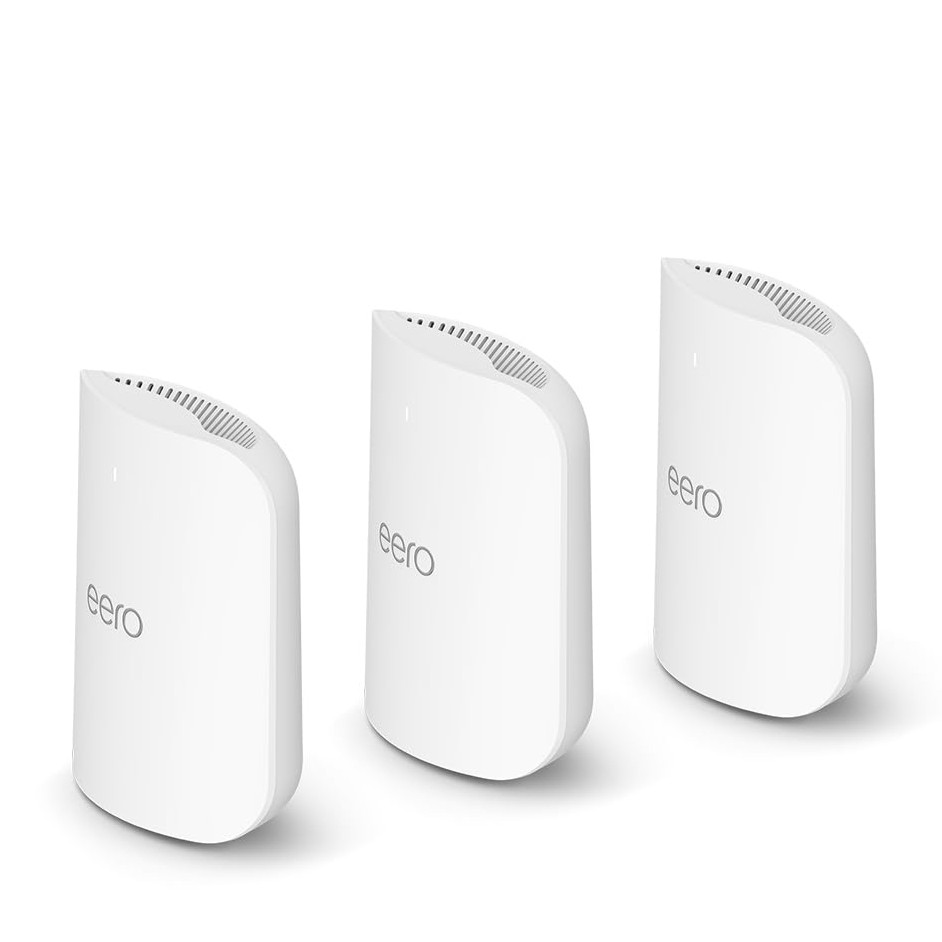
Mesh wifi is a system designed to improve internet coverage in homes. It uses multiple devices to spread the wifi signal evenly.
This setup helps avoid dead zones and keeps your smart home devices connected smoothly.
How Mesh Networks Work
Mesh networks use several nodes that work together to create one large wifi network. Each node communicates with others to share internet.
The nodes connect wirelessly or by cable. They send data through the best path to reach your device fast and clearly.
- Nodes act like small routers placed around your home.
- Devices connect to the nearest node automatically.
- Nodes talk to each other to keep the signal strong.
Key Features Of Mesh Systems
Mesh wifi systems offer smooth internet with easy setup. They keep your smart home devices working well everywhere.
These systems often include apps for simple control and can expand by adding more nodes.
- Wide coverage with multiple nodes
- Automatic connection to strongest signal
- Easy to add more nodes as needed
- Simple setup and management via apps
- Works well with many smart home devices
Router Essentials
A router connects your smart home devices to the internet. It controls data flow between devices and your network.
Understanding how routers work helps you choose the right setup for your smart home.
Traditional Router Setup
Traditional routers connect all your devices to the internet from one central point. They use wired or wireless signals to link devices.
- One main router handles all traffic
- Devices connect via Wi-Fi or Ethernet cables
- Coverage depends on router range and placement
- May need range extenders for larger homes
Core Router Functions
| Function | Description |
| IP Address Assignment | Gives each device a unique address on the network |
| Data Routing | Directs data packets between devices and the internet |
| Firewall Protection | Blocks unauthorized access to your network |
| Network Management | Controls bandwidth and device priority |
Coverage And Range
Good wifi coverage and range are important for smart homes. They help connect all devices without interruptions.
This article compares mesh wifi systems and traditional routers to see which works best for coverage and range.
Extending Wifi In Large Homes
Large homes need strong wifi that reaches every corner. A single router may not cover the whole area well.
- Mesh wifi uses multiple nodes placed around the home.
- Each node extends the signal to cover large spaces.
- Traditional routers rely on one device with limited range.
- Adding wifi extenders to routers can help but often reduce speed.
- Mesh systems create a single, seamless network for all devices.
Overcoming Dead Zones
Dead zones are areas where wifi signals are weak or missing. Walls and distance cause these zones.
| Solution | Mesh Wifi | Router |
| Coverage | Wide, with multiple nodes | Limited to router range |
| Signal Strength | Strong in all rooms | Weak in far rooms |
| Setup | Place nodes where needed | Add extenders or boosters |
| Network Name | One name for all nodes | Extenders may use different names |
Performance And Speed
Smart homes need fast and steady internet to work well. Choosing the right WiFi system helps keep devices connected without delays.
Two common options are mesh WiFi and traditional routers. Each handles speed and performance in different ways.
Data Transfer Rates
Data transfer rate means how fast information moves between your device and the internet. Mesh WiFi systems use multiple units to share data smoothly across your home.
Routers send data from one central point. This can slow down speed if devices are far away from the router.
| WiFi System | Max Data Transfer Rate | Coverage Impact |
|---|---|---|
| Mesh WiFi | Up to 1 Gbps | Consistent speed over large area |
| Traditional Router | Up to 600 Mbps | Speed drops with distance |
Handling Multiple Devices
Smart homes often use many devices at once. Handling all devices without slowing down is important.
- Mesh WiFi spreads connections across several units
- Routers manage all devices through one point
- Mesh offers better load balancing for many devices
- Routers may slow down if too many devices connect
Mesh systems can improve overall speed and reduce dead zones. This is good for smart homes with many gadgets.
Installation And Management
Setting up a smart home network needs the right tools. Mesh WiFi systems and routers offer different experiences in installation and management.
Understanding these differences helps you pick the best option for your home and skills.
Setup Process
Mesh WiFi systems usually come with multiple units. You place them around your home to cover all areas.
- Unbox all mesh units and plug in the main one to your modem.
- Use the app to connect the other units wirelessly.
- Follow app instructions to place units in the best spots.
- Wait for the system to sync and optimize the network.
Traditional routers need only one device. You connect it to your modem and power it on. Setup involves configuring the settings once.
User Interface And Controls
Mesh WiFi systems often have mobile apps. These apps make network control simple and clear.
| Feature | Mesh WiFi | Router |
| Control Interface | Mobile app with visual layout | Web-based setup page |
| Device Management | Easy device list and status updates | Basic device list, less detailed |
| Parental Controls | Simple scheduling and filters | Available but less user-friendly |
| Network Updates | Automatic and seamless | Manual updates needed |
Routers rely on web pages for controls. These can be harder to use for beginners. Mesh systems focus on user-friendly design.

Credit: www.reddit.com
Smart Home Compatibility
Smart homes need reliable internet to connect devices. Choosing between mesh WiFi and a traditional router is crucial.
Both mesh WiFi and routers have their benefits. Understanding how they work with smart home devices is important.
Integrating Iot Devices
Smart home devices, like lights and speakers, need good connections. Mesh WiFi spreads signals throughout your home.
Routers might struggle with many devices. Mesh systems handle multiple connections better.
- Mesh WiFi covers large homes
- Routers may need extenders
- Mesh systems reduce dead zones
Security Considerations
Security is vital for smart homes. Both mesh WiFi and routers have security features.
Mesh systems often have advanced security options. Regular updates keep your network safe.
- Use strong passwords
- Enable network encryption
- Check for firmware updates
Cost And Scalability
Choosing between a mesh WiFi system and a traditional router depends on your needs. Cost and scalability are key factors.
Understanding initial investment and expansion is crucial. Let’s explore these aspects.
Initial Investment
Initial costs vary between mesh WiFi systems and traditional routers. Both options have their own pricing structures.
| Option | Price Range |
| Mesh WiFi | $200 – $500 |
| Traditional Router | $50 – $300 |
Upgrading And Expanding
Expanding your network is easier with mesh WiFi. Traditional routers need more effort for expansion.
- Mesh WiFi allows seamless addition of nodes.
- Traditional routers may require repeaters or extenders.
- Mesh systems often offer better coverage in larger homes.
Real-world Use Cases
Choosing between mesh WiFi and a traditional router depends on your home layout. Each option offers different benefits for smart homes.
This guide looks at real-world examples for small apartments and large multi-story homes to help you decide.
Small Apartment Solutions
In small apartments, space is limited and most devices are close to the router. A single strong router often covers the whole area well.
- Easy setup with one device
- Lower cost compared to mesh systems
- Good for fewer devices and less coverage needed
- Works well for streaming and smart home devices in one area
Large Multi-story Homes
Large homes with many floors and rooms need better coverage. Mesh WiFi systems provide strong signals everywhere.
| Feature | Mesh WiFi | Traditional Router |
| Coverage | Wide, covers multiple floors | Limited, may need extenders |
| Device Support | Supports many devices well | May slow down with many devices |
| Setup | More complex but flexible | Simple but limited range |
| Cost | Higher initial cost | Lower upfront cost |

Credit: www.pcmag.com
Frequently Asked Questions
What Is The Main Difference Between Mesh Wifi And Routers?
Mesh WiFi uses multiple nodes for seamless coverage, while routers rely on a single device. Mesh systems reduce dead zones, ideal for smart homes with many devices. Routers are simpler but may struggle with large areas or obstacles.
Which Is Better For Smart Home Device Connectivity?
Mesh WiFi offers better connectivity for smart homes by providing consistent signals throughout. It supports multiple devices without speed drops. Traditional routers might face congestion with many devices, causing slower connections or dead spots.
Can Mesh Wifi Improve Smart Home Security?
Yes, mesh WiFi often includes advanced security features like automatic updates and guest networks. This helps protect all connected smart devices. Routers may require manual security management, which can be less effective in complex smart home setups.
Is Mesh Wifi More Expensive Than Traditional Routers?
Generally, mesh WiFi systems cost more upfront due to multiple units. However, they offer better coverage and fewer connection issues in large homes. Traditional routers are cheaper but may need additional extenders, increasing overall costs.
Conclusion
Choosing between mesh WiFi and a router depends on your home size and needs. Mesh systems cover large spaces with strong signals everywhere. Routers work well in smaller homes with fewer devices. Both have pros and cons to consider. Think about your smart home devices and internet use.
This helps pick the best option for smooth, reliable connections. A good WiFi setup keeps your smart home running without interruptions. Take time to decide what fits your home best.