Are you tired of slow internet and dead zones in your home? Choosing the right WiFi system can change everything about how you connect online.
You might be wondering if the Orbi Mesh WiFi is better than your traditional router. This decision affects your streaming, gaming, and even work-from-home experience. Keep reading to discover which option fits your needs best and how you can enjoy fast, reliable internet in every corner of your space.

Credit: www.pcmag.com
Orbi Mesh Wifi Basics
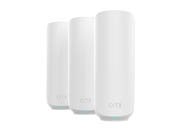
Orbi Mesh Wifi offers a new way to connect your home. It uses multiple devices to spread wifi evenly.
This system replaces traditional routers that use only one device. It helps reduce dead spots in your house.
How Mesh Wifi Works
Mesh wifi uses a main router and several satellite units. These units talk to each other to share internet.
- The main router connects to the internet.
- Satellite units spread the signal in different rooms.
- Devices connect to the closest unit for the best signal.
- The system switches devices smoothly between units.
Key Features Of Orbi
Orbi has many features that improve your wifi experience. It covers large areas and is easy to set up.
| Feature | Description |
| Wide Coverage | Supports large homes with multiple floors. |
| Fast Speeds | Delivers high-speed internet for many devices. |
| Easy Setup | Simple app guides you through installation. |
| Seamless Roaming | Switches devices between units without dropping signal. |
| Security | Includes automatic updates and strong protection. |
Traditional Router Essentials
Traditional routers are the common way to connect devices to the internet. They act as a central point for wired and wireless connections in a home or office.
Understanding their setup and limits helps users get the best from their network. This guide covers the basics of a standard router and its common challenges.
Standard Router Setup
Setting up a traditional router involves a few simple steps. It needs to connect to your modem and then share internet access with your devices.
- Connect the router to the modem using an Ethernet cable.
- Power on the router and wait for the lights to stabilize.
- Use a computer or phone to access the router’s setup page.
- Enter the network name (SSID) and password for Wi-Fi.
- Save the settings and connect your devices to the new network.
Common Limitations
Traditional routers have limits that can affect your internet experience. These can include coverage, speed, and device handling.
| Limitation | Description | Impact |
| Range | Signal weakens far from the router | Dead spots in large homes |
| Speed | Shared bandwidth among devices | Slower internet when many use it |
| Device Limit | Maximum number of connected devices | Performance drops with too many devices |
| Interference | Nearby electronics can disrupt signal | Unstable or slow connections |
Speed Comparison
Choosing between Orbi Mesh WiFi and a traditional router often depends on speed. Speed affects how well your devices connect and work online.
This article looks at speed differences between Orbi Mesh WiFi and traditional routers. It covers throughput, typical speeds, and real-world tests.
Orbi Throughput Performance
Orbi Mesh systems use multiple devices called nodes. They spread the WiFi signal across your home. This helps keep speeds high on many devices.
The Orbi uses a dedicated channel for communication between nodes. This keeps data moving fast and reduces slowdowns. It offers strong throughput even far from the main router.
- Multiple nodes share the load of data traffic
- Dedicated backhaul channel improves data flow
- Better speeds in large or multi-story homes
Traditional Router Speeds
Traditional routers use one device to send WiFi signals. Speed depends on router power and distance to devices. Walls and obstacles can lower speeds.
Most traditional routers offer good speeds near the device. Speed drops quickly as you move away. Many devices connected at once can slow the network.
- Single device sends WiFi signals
- Speed drops with distance and obstacles
- Multiple devices can cause congestion
Real-world Speed Tests
Speed tests show Orbi keeps fast speeds in large homes. It performs well at long distances and through walls. Traditional routers lose speed faster with distance.
Tests with many devices connected show Orbi handles traffic better. Traditional routers may slow down with many users or devices.
| Test Scenario | Orbi Speed (Mbps) | Traditional Router Speed (Mbps) |
|---|---|---|
| Near Router / Node | 900 | 850 |
| Far Room / Node | 700 | 350 |
| Multiple Devices Active | 600 | 300 |
Coverage And Range
Coverage and range are important for a good WiFi connection. They affect how far and how well your signal reaches in your home or office.
Orbi Mesh and traditional routers offer different ways to cover your space. Understanding their strengths helps you pick the right one.
Orbi Mesh Coverage Advantages
Orbi Mesh uses multiple units to spread WiFi evenly. This creates a strong signal in every corner of your space.
- Multiple access points extend coverage.
- Seamless connection as you move around.
- Better signal through walls and floors.
- Easy to add more units for larger areas.
Traditional Router Coverage Challenges
Traditional routers send WiFi from one device. This can limit coverage and cause weak spots far from the router.
| Coverage Issue | Effect |
| Single device | Signal drops in far rooms |
| Obstacles like walls | Reduced signal strength |
| Limited range | Slow speeds at edges |
Dead Zone Solutions
Dead zones are areas with no WiFi. Both Orbi Mesh and traditional setups offer ways to fix them.
- Orbi Mesh adds extra units to cover dead zones.
- Traditional routers use WiFi extenders or repeaters.
- Placement of devices is key for better coverage.
- Using wired backhaul improves mesh network speed.
Installation And Ease Of Use
Choosing between Orbi Mesh Wifi and a traditional router depends on how easy they are to install. This affects your overall experience using the internet at home.
We will look at the setup process and user experience for both options. This will help you understand which fits your needs best.
Setting Up Orbi Mesh
Orbi Mesh Wifi devices come with simple instructions. You usually start by connecting the main unit to your modem. Then, you place satellite units in other rooms to extend coverage.
- Connect the main Orbi unit to your modem with a cable.
- Power on the main unit and wait for the light to turn solid.
- Place satellite units around your home to cover weak signal areas.
- Use the Orbi app to finish setup and manage your network.
Traditional Router Installation
Installing a traditional router requires connecting it to your modem and configuring settings manually. You often need to enter information from your internet provider.
| Step | Description |
|---|---|
| Connect | Plug the router into the modem with an Ethernet cable. |
| Power | Turn on the router and wait for the lights to stabilize. |
| Configure | Access the router’s web page using a browser to set up Wi-Fi name and password. |
| Test | Check if your devices can connect to the internet. |
User Experience
Orbi Mesh Wifi offers easy control through its mobile app. It lets you check network status and add devices quickly. The system is designed for users without technical skills.
Traditional routers often require logging into a web interface. This can be confusing for some users. Settings are spread across different pages, which may slow down setup.
Here is a quick comparison:
- Orbi Mesh:App-based setup, easy management
- Traditional Router:Web interface, manual settings

Credit: dongknows.com
Device Compatibility And Scalability
Choosing the right network setup for your home is important. It affects how devices connect and work together.
Orbi Mesh Wifi and traditional routers offer different ways to connect and expand your network. Let’s explore how each handles devices and growth.
Adding Devices To Orbi
Orbi Mesh Wifi makes it easy to add new devices. Each device connects seamlessly without complex setup.
- Automatic connection for new devices
- Consistent signal throughout the home
- Easy management with a mobile app
Expanding Traditional Networks
Traditional routers require more effort to expand. Adding devices or extending coverage can be challenging.
| Method | Difficulty Level |
| WiFi Extender | Medium |
| Additional Routers | High |
| Wired Connections | Low |
Cost Analysis
Choosing between Orbi Mesh Wifi and a traditional router depends on your budget and needs.
This analysis looks at the costs involved for both options to help you decide.
Orbi Pricing Breakdown
Orbi Mesh Wifi systems have a higher initial price than most traditional routers.
- Starter kits usually cost between $200 and $400.
- Additional satellites for better coverage cost $100 to $200 each.
- Some models include advanced features that increase the price.
Traditional Router Costs
Traditional routers are generally cheaper upfront but may lack coverage in large homes.
| Router Type | Price Range | Coverage |
|---|---|---|
| Basic Router | $50 – $100 | Small to medium homes |
| Mid-range Router | $100 – $200 | Medium homes |
| High-end Router | $200 – $300 | Medium to large homes |
Value For Money
Orbi offers wider coverage and fewer dead zones but at a higher cost.
Traditional routers cost less but may require extra devices to cover big areas.
- Orbi covers large homes with one system.
- Traditional routers may need range extenders, adding cost.
- Orbi’s price includes easy setup and smart features.
- Traditional routers might need manual setup and updates.
Security Features
Understanding the security features of your WiFi system is crucial. Orbi Mesh WiFi and traditional routers offer different security measures.
Let’s explore how these two options compare in terms of security and what practices can enhance your network safety.
Orbi Security Options
Orbi Mesh WiFi systems provide advanced security features to protect your network. These features help keep unauthorized users out and protect your data.
- Automatic firmware updates
- Guest network access
- Advanced encryption standards
Traditional Router Security
Traditional routers also offer security options, but they may require more manual setup. These routers provide basic protection but may lack some advanced features.
| Feature | Availability |
| Firewall | Yes |
| WPA2 Encryption | Yes |
| Guest Network | Optional |
Best Practices
Following best practices can enhance the security of both Orbi Mesh WiFi and traditional routers. Simple actions can make a big difference in securing your network.
- Change default passwords regularly
- Enable network encryption
- Keep firmware up to date
Which One Suits You?
Choosing between Orbi Mesh WiFi and a traditional router depends on your needs. Both devices help connect your home to the internet.
Knowing the strengths of each can guide you to the best choice for your space and devices.
Ideal Use Cases For Orbi
Orbi Mesh WiFi works well in large homes or places with many walls. It spreads WiFi evenly to every corner, reducing dead zones.
It suits users with many smart devices or those who need a strong signal in several rooms.
- Large or multi-story houses
- Homes with thick walls or obstacles
- Users with many connected devices
- Need for seamless coverage without signal drops
- Spaces where WiFi needs to reach outdoor areas
When To Choose A Traditional Router
Traditional routers work well in smaller spaces. They offer strong WiFi in one area and are easier to set up.
They fit users who have fewer devices or live in apartments without many walls blocking signals.
- Small homes or apartments
- Simple network needs
- Lower number of connected devices
- Limited budget for networking gear
- Users who prefer easy installation and management

Credit: www.ign.com
Frequently Asked Questions
What Is The Main Difference Between Orbi Mesh Wifi And Traditional Routers?
Orbi Mesh Wifi uses multiple units to cover large areas with seamless signals. Traditional routers rely on one device, which may cause weak spots in coverage.
How Does Orbi Mesh Improve Home Wifi Coverage?
Orbi Mesh creates a network of interconnected nodes. This eliminates dead zones and offers consistent speeds throughout your home.
Are Orbi Mesh Systems Easier To Set Up Than Routers?
Yes, Orbi Mesh systems often come with user-friendly apps. These apps guide you through setup, making the process simple and fast.
Is Orbi Mesh Wifi More Expensive Than Traditional Routers?
Orbi Mesh systems generally cost more upfront. However, they provide better coverage and fewer connectivity issues, adding long-term value.
Conclusion
Orbi Mesh Wifi offers wider coverage than traditional routers. It helps reduce dead zones in large homes. Traditional routers work well in small spaces. Mesh systems cost more but bring better connection quality. Setup is easy with both options, but mesh is simpler for many devices.
Choose what fits your home size and budget. Reliable internet makes daily tasks smoother. Think about your needs before deciding. Both have strengths for different users.