Are you worried about the radiation coming from your tri band router? You’re not alone.
With more devices connecting to Wi-Fi every day, understanding how router radiation affects you and your family is important. This article will clear up common fears and give you simple tips to keep your home safe. Keep reading to learn what you really need to know about tri band router radiation—and how to protect yourself without giving up fast internet.
Tri Band Router Basics
Understanding the basics of tri band routers is key to addressing any concerns about radiation and performance. These routers offer more than just faster speeds—they manage multiple devices more efficiently by using three separate frequency bands. Knowing how these bands operate helps you make smarter decisions about your home network and the potential exposure to wireless signals.
How Tri Band Routers Work
Tri band routers broadcast on three separate wireless frequencies simultaneously. Typically, this includes one 2.4 GHz band and two 5 GHz bands. This setup allows your devices to connect on different bands, reducing traffic congestion and improving overall network stability.
Think about your home with several devices streaming, gaming, and video calling at once. A tri band router splits the load, so each device gets the bandwidth it needs without slowing others down. Have you noticed your Wi-Fi slowing when many devices are connected? A tri band router can help solve that problem.
Frequency Bands Explained
Each frequency band has unique characteristics that affect speed and range. The 2.4 GHz band travels farther and penetrates walls better, but it’s slower and more crowded. The 5 GHz bands offer faster speeds but cover a smaller area and are less effective through obstacles.
The two separate 5 GHz bands on a tri band router help reduce interference between devices. This means your laptop and smart TV can stream high-definition content smoothly at the same time. Understanding these differences helps you place your router and devices strategically for better performance and possibly lower radiation exposure.
Benefits Over Dual Band Routers
Tri band routers handle more devices without sacrificing speed, unlike dual band routers that can get overwhelmed. If you have a smart home setup with multiple gadgets, this makes a significant difference in connection quality.
- Less network congestion means faster internet for everyone.
- Improved reliability reduces the need to reboot your router frequently.
- Better range and coverage help eliminate dead spots in your home.
Considering your home’s growing number of connected devices, can you afford to stick with a dual band router? Upgrading to tri band can improve your Wi-Fi experience while giving you more control over where and how your devices connect.
Radiation Types From Routers
Tri band routers emit different types of radiation. Understanding these types helps in knowing their effects on health. Radiation from routers mainly falls into a category called radiofrequency (RF) radiation. This section explains the key radiation types from routers.
Understanding Radiofrequency Emissions
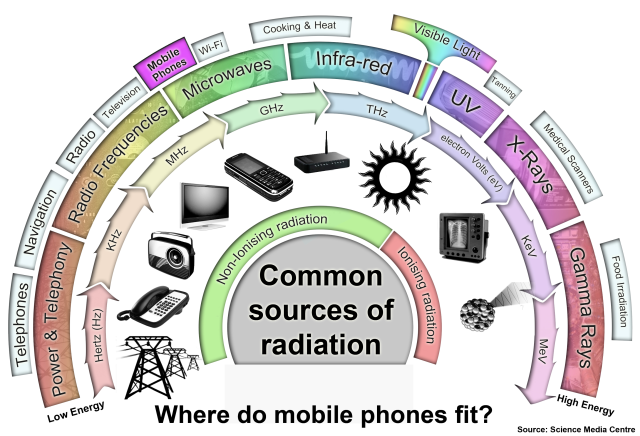
Radiofrequency emissions come from the wireless signals routers use. These signals carry data between devices without wires. The frequency range for tri band routers is usually between 2.4 GHz and 5 GHz bands.
RF emissions are a form of electromagnetic radiation. They travel through the air and carry information. The strength of these emissions depends on the router’s power and distance from the device.
Although RF radiation is invisible, it exists in our daily environment. Cell phones, microwaves, and Wi-Fi routers all emit RF radiation. Its presence does not always mean harm, but understanding the type matters.
Non-ionizing Radiation Details
Radiation from tri band routers is non-ionizing. This means it does not have enough energy to remove electrons from atoms. Non-ionizing radiation is generally less harmful than ionizing radiation.
Ionizing radiation, like X-rays, can damage DNA and cells. Non-ionizing radiation does not cause this damage. It mainly causes heating effects on tissues at very high levels, which routers do not reach.
Regulatory bodies set limits to ensure router emissions stay safe. Tri band router radiation is well below harmful levels. Still, some users prefer to keep distance as a precaution.
Health Risks Linked To Router Radiation
The topic of router radiation often raises questions about potential health risks. As more homes and offices opt for tri-band routers to support increasing internet demands, concerns about the electromagnetic radiation they emit have come to the forefront. Are these devices silently affecting your health? Let’s dive into the science and guidelines surrounding router radiation.
Scientific Studies Overview
Scientific studies on router radiation focus primarily on the electromagnetic fields (EMFs) they emit. Some research points to potential biological effects, although conclusive evidence remains elusive. Studies often highlight the need for further research, particularly on long-term exposure.
It’s crucial to understand that routers emit non-ionizing radiation, similar to cell phones and microwaves. While non-ionizing radiation is generally considered less harmful, the debate continues on its possible health implications. The diversity of study outcomes underscores the complexity of this issue.
Common Health Concerns
Common health concerns associated with router radiation include headaches, fatigue, and sleep disturbances. Some people report feeling unwell in environments with high EMF exposure. These symptoms, often anecdotal, spark curiosity and concern among the general public.
Have you ever felt unusually tired or restless after spending hours near your router? While some attribute these feelings to radiation, they could also result from screen time or lack of physical activity. Understanding your lifestyle habits can help pinpoint the real cause.
Exposure Limits And Guidelines
Agencies like the World Health Organization and the Federal Communications Commission provide guidelines on safe exposure levels. These guidelines aim to protect you by recommending limits far below those considered harmful. Adhering to these standards can ease concerns about potential health impacts.
Consider practical steps to reduce exposure, such as placing your router away from high-traffic areas. Simple changes can make a difference in your comfort and peace of mind. Are you taking the necessary steps to ensure your home is both connected and safe?
Credit: medium.com
Radiation Levels In Tri Band Routers
Radiation levels in tri band routers often raise questions, especially for those concerned about prolonged exposure in home or office environments. These routers transmit signals across three frequency bands, which can affect the overall radiation output. Understanding how much radiation these devices emit helps you make smarter decisions about placement and usage.
Comparing Radiation Output
Tri band routers generally emit more radiation than single or dual band routers because they operate on multiple frequencies simultaneously.
However, this doesn’t necessarily mean they are unsafe. The radiation levels are still within international safety limits set by organizations like the FCC and ICNIRP.
| Router Type | Frequency Bands | Typical Radiation Level (SAR) |
|---|---|---|
| Single Band | 2.4 GHz | Low |
| Dual Band | 2.4 GHz + 5 GHz | Moderate |
| Tri Band | 2.4 GHz + 5 GHz + 5 GHz | Higher but within limits |
Think about where you place your router. Placing it in an open area reduces your exposure compared to keeping it near your desk or bedroom.
Factors Affecting Emission Strength
Several factors can change how much radiation your tri band router emits at any moment.
- Distance:The farther you are, the weaker the radiation.
- Router Power Settings:Many routers adjust their power output based on demand.
- Obstacles:Walls and furniture can absorb or reflect signals, changing emission patterns.
- Network Traffic:Higher data transfer can increase radiation temporarily.
I once moved my router from a bedroom corner to a central hallway. The difference in signal strength was noticeable, but radiation exposure felt less intense since I wasn’t spending long hours near it.
Does your current router placement optimize both coverage and safety? Sometimes small changes can lower your exposure without sacrificing performance.
Reducing Exposure At Home
Reducing exposure to radiation from tri-band routers is important for a healthy home. Small changes in how you use and place your router can make a big difference. Lowering exposure helps protect your family without losing internet speed.
Optimal Router Placement
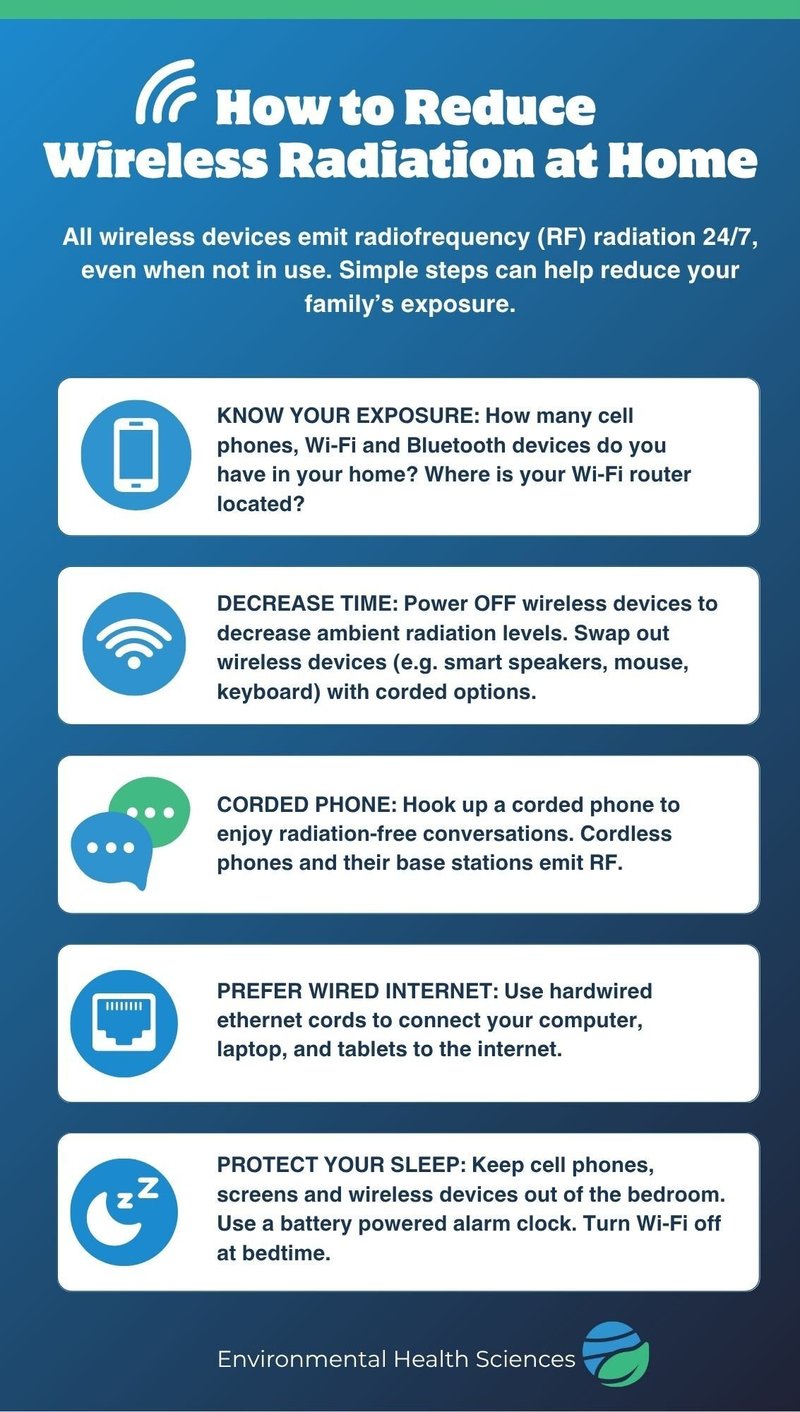
Place your router away from areas where people spend most time. Avoid bedrooms and living rooms. Put it in open spaces, not inside cabinets or behind furniture. Higher positions, like shelves, help signals spread better. Keep the router at least a few feet from your body.
Using Wired Connections
Use Ethernet cables for devices that do not need to move. Wired connections reduce the need for strong wireless signals. This cuts down on radiation in your home. It also gives faster and more stable internet for work or gaming.
Turning Off When Not In Use
Turn off your router at night or when away for long. This simple step stops radiation and saves electricity. Use a timer switch to automate turning off and on. It helps reduce unnecessary exposure without losing convenience.

Credit: www.youtube.com
Tech Advances And Safety Features
Tri band routers use new technology to reduce radiation risks. Manufacturers design these devices with safety in mind. They include smart features to lower radiation without losing performance. These advances help protect users while keeping fast internet connections.
Low Radiation Designs
Modern tri band routers have special designs to limit radiation. They use shielding materials that block unnecessary signals. Antennas are placed carefully to focus signals away from people. These steps reduce exposure to radio waves.
Some routers use beamforming technology. It directs Wi-Fi signals only to connected devices. This reduces radiation sent in all directions. The router works efficiently with less wasted energy.
Automatic Power Adjustments
Tri band routers adjust their power output automatically. They lower signal strength when devices are close. This reduces radiation without affecting connection quality. When devices move farther away, the router increases power.
These automatic adjustments save energy and reduce radiation risks. The router constantly checks the best power level. It balances strong signals with user safety.
Regulations And Safety Standards
Understanding the regulations and safety standards for tri band router radiation is crucial for anyone concerned about exposure. These rules are designed to keep the radiation levels from your devices well within safe limits. Knowing who sets these standards and what requirements your router must meet can help you make safer choices for your home or office.
Global Regulatory Bodies
Several organizations worldwide monitor and regulate the radiation emitted by wireless devices like tri band routers. The Federal Communications Commission (FCC) in the United States is one of the most recognized authorities. It sets limits on radiation exposure to protect consumers.
In Europe, the European Telecommunications Standards Institute (ETSI) plays a similar role. Meanwhile, the International Commission on Non-Ionizing Radiation Protection (ICNIRP) provides guidelines used by many countries globally. These bodies base their standards on scientific research and health data.
Have you ever checked if your router meets these international standards? It’s worth a quick look before buying or setting up a new device.
Compliance Requirements For Routers
Manufacturers must ensure their tri band routers comply with strict radiation limits before selling them. These limits are often expressed as Specific Absorption Rate (SAR) values, which measure how much radiation your body absorbs. Most routers must have SAR levels well below the maximum allowed by regulatory bodies.
Compliance involves testing devices in labs to verify radiation emission. Routers that pass receive certification marks, which you can find on the product or packaging. This certification guarantees the device is safe to use within established exposure limits.
If you’re setting up a router at home, placing it away from high-traffic areas can further reduce your exposure. Do you know where your router’s radiation hotspots might be? Simple placement changes can make a big difference.
Credit: www.ehn.org
Myths Vs Facts
When you hear about tri band routers, radiation concerns often come up. It’s easy to get caught between alarming stories and reassuring facts. Sorting out myths from reality helps you make smarter choices about your tech and health.
Common Misconceptions
Many believe tri band routers emit dangerous levels of radiation. Some say these devices cause headaches or disrupt sleep just because they use multiple frequency bands. Others think more bands mean more radiation, which isn’t necessarily true.
Another misconception is that radiation from routers is similar to harmful ionizing radiation like X-rays. This misunderstanding fuels unnecessary fear. People sometimes assume that any wireless signal is unsafe without distinguishing between types of radiation.
Evidence-based Clarifications
Scientific studies show that tri band routers emit non-ionizing radiation, which is low energy and does not damage DNA. The power output of these routers is far below international safety limits. This means your everyday use poses minimal health risk.
Research also indicates no consistent link between Wi-Fi signals and health problems. For example, a 2020 review by the World Health Organization found no adverse effects from exposure to wireless devices at typical levels. Understanding this helps you avoid unnecessary worry.
Think about your phone or laptop—they also emit non-ionizing radiation but are considered safe when used properly. So, why treat your tri band router differently? Keeping devices a reasonable distance and turning them off at night are simple steps to reduce exposure even further.
Frequently Asked Questions
What Radiation Levels Do Tri Band Routers Emit?
Tri band routers emit low-level radiofrequency radiation. They operate within safety limits set by regulatory agencies. Their signals are similar to other Wi-Fi devices. Overall, radiation exposure from these routers is minimal and generally considered safe for home use.
Are Tri Band Routers More Harmful Than Single Band Routers?
No, tri band routers are not more harmful. They use multiple frequencies but at safe radiation levels. The total exposure remains within regulatory guidelines. Using a tri band router does not significantly increase health risks compared to single band models.
How Can I Reduce Radiation From My Tri Band Router?
Place the router away from frequently used areas. Turn off the router when not in use. Use wired connections to limit Wi-Fi exposure. These simple steps help minimize radiation without affecting internet performance.
Do Tri Band Routers Affect Children’s Health More?
Current research shows no specific health risks for children. Tri band routers comply with safety standards. However, limiting close and prolonged exposure is a cautious approach for all users, including children.
Conclusion
Tri band routers offer fast and reliable internet for many devices. Radiation levels from these routers are generally low and safe. Placing the router in open spaces reduces exposure. Using wired connections can also limit radiation around you. Staying informed helps you make smart choices.
Balance convenience with safety for your home network. Stay calm and enjoy your wireless connection without worry.