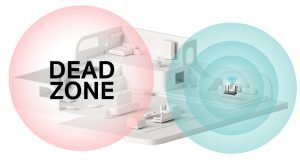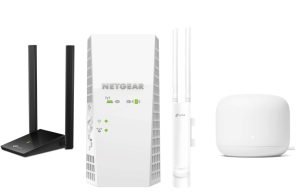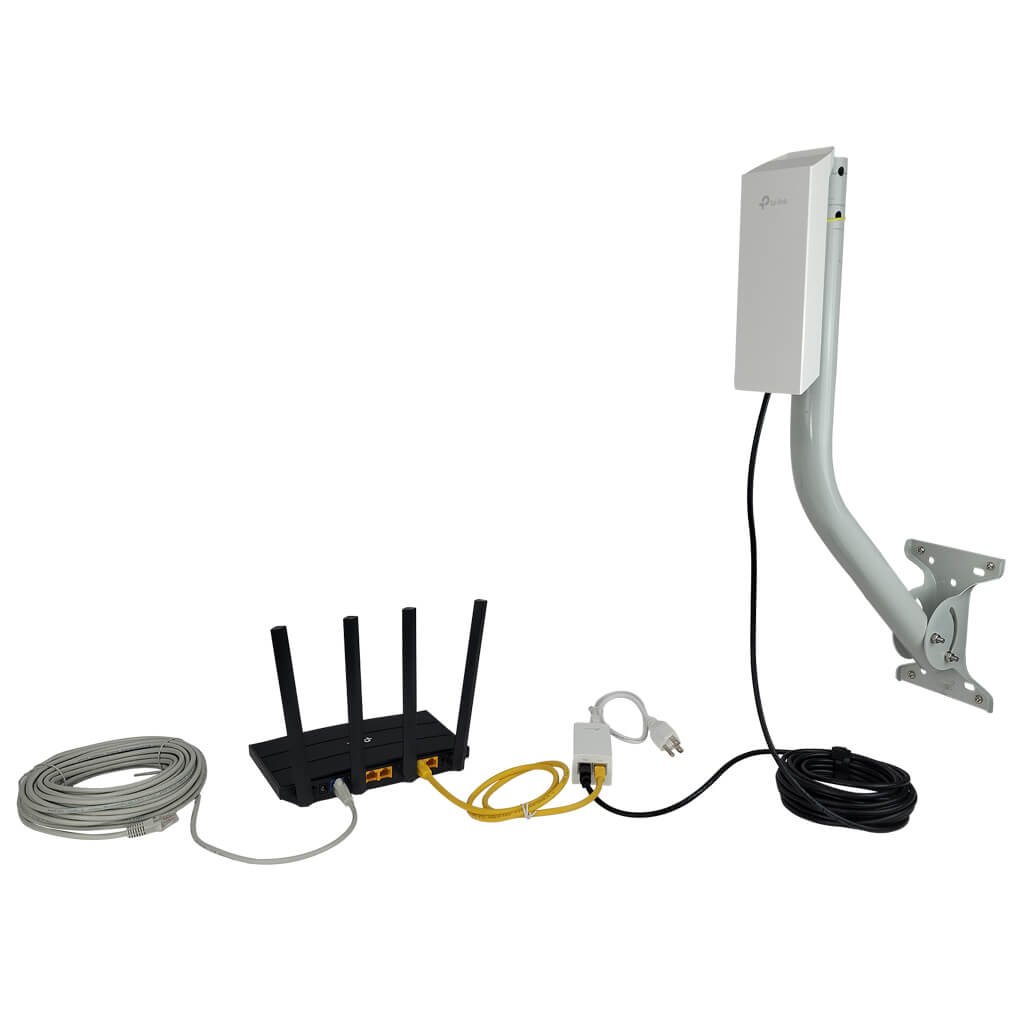
Are you struggling with weak WiFi signals in certain parts of your home or office? Long range WiFi extenders can be a game changer, but understanding how they work is key to getting the best performance.
One important question you might have is: what frequency do these extenders use? Knowing this can help you choose the right device and optimize your network for faster, more reliable internet. Keep reading to discover the frequencies behind long range WiFi extenders and how they affect your connection.
This knowledge will empower you to boost your WiFi like a pro.

Credit: simplewifi.com
Wifi Frequency Bands
The 2.4 GHz bandis common for long-range WiFi extenders. It covers a larger area but has slower speeds. This band works well through walls and obstacles. Many devices use 2.4 GHz, so it can be crowded.
The 5 GHz bandoffers faster speeds but shorter range. It has less interference and is good for streaming or gaming. 5 GHz struggles more with walls and distance.
| Feature | 2.4 GHz Band | 5 GHz Band |
|---|---|---|
| Range | Longer | Shorter |
| Speed | Lower | Higher |
| Interference | More crowded | Less crowded |
| Best Use | Large area, walls | Fast, close range |

Credit: www.amazon.ca
Frequency Use In Long Range Extenders
Long range wifi extenders usually use two main frequencies: 2.4 GHzand 5 GHz. These frequencies help devices connect to the internet over large distances.
Common Frequencies For Extenders
| Frequency | Use | Range | Speed |
|---|---|---|---|
| 2.4 GHz | Long distance connections | Better range, penetrates walls | Lower speed |
| 5 GHz | Shorter distance, faster data | Less range, less interference | Higher speed |
Advantages Of 2.4 Ghz For Range
The 2.4 GHz frequencytravels farther and passes through walls easily. It covers larger areas in homes and offices. This frequency is good for basic web browsing and email. It faces more interference from other devices but offers stable connections over distance.
Role Of 5 Ghz In Speed
The 5 GHz frequencysupports faster internet speeds. It works well for video streaming and online gaming. This frequency has less interference but covers a shorter distance. It is best used where devices are close to the extender.
Technology Behind Long Range Wifi
Long range WiFi extendersuse special technologies to boost signal strength. Signal amplificationhelps increase the power of the WiFi signal. This makes the signal travel farther and reach weak spots in a home or office.
Antenna designplays a big role too. Extenders use antennas shaped to send signals in specific directions. This design improves coverage and cuts down signal loss.
Beamforming techniqueshelp focus the WiFi signal toward connected devices. This focus gives a stronger and more stable connection. It also reduces interference from other devices.
| Technology | Function |
|---|---|
| Signal Amplification | Increases signal power for longer range |
| Antenna Design | Shapes signal to cover specific areas better |
| Beamforming Techniques | Focuses signal on devices for stronger connection |
Interference And Frequency Selection
Long range WiFi extenders often face interferencefrom many sources. Common ones include microwaves, Bluetooth devices, cordless phones, and other WiFi networks. These devices use similar frequencies that can cause signal drops or slow speeds.
Choosing the best frequency depends on distanceand interference level. The 2.4 GHz bandcovers longer distances but is often crowded. The 5 GHz bandhas less interference but shorter range. Some extenders support both, switching automatically for better performance.
| Frequency Band | Range | Interference | Speed | Congestion |
|---|---|---|---|---|
| 2.4 GHz | Long | High (many devices) | Moderate | High |
| 5 GHz | Short | Low | High | Low |
Regulations And Frequency Limits
Different countries have rules on which wifi frequenciescan be used. These rules help avoid signal interferencewith other devices. Most long range wifi extenders use the 2.4 GHzand 5 GHzbands, as they are allowed almost everywhere.
Some countries allow more channels in the 5 GHz band, while others restrict them. These limits affect how far and fast the signal can travel.
| Region | Allowed Frequency Bands | Power Limits (Max) |
|---|---|---|
| USA | 2.4 GHz, 5 GHz | 1 Watt (2.4 GHz), 4 Watts (5 GHz) |
| Europe | 2.4 GHz, 5 GHz | 0.1 Watt (2.4 GHz), 0.2 Watt (5 GHz) |
| Asia | 2.4 GHz, 5 GHz (varies) | Varies by country |
Power limitsrestrict how strong the signal can be. Lower power means shorter range. Higher power can cause interferenceor break rules. Extenders balance power and frequency to work well within legal limits.
Future Trends In Wifi Frequencies
WiFi 6Euses the new 6 GHz band, offering more space for devices. This band has less interference, allowing faster speeds and lower delays. Long range extenders can benefit from this extra bandwidth but face challenges in range due to higher frequency signals.
The potential for new bandsbeyond 6 GHz is growing. These bands could provide even more channels and less congestion. Devices and extenders may need upgrades to use these new frequencies effectively.
The impact on long range extendersincludes better speeds but possibly shorter coverage. Extenders will need better antennas and technology to keep strong signals at longer distances in higher bands.
Choosing The Right Extender Frequency
Choosing the right frequency for a long range WiFi extender depends on your home layoutand devices. The two main frequencies are 2.4 GHzand 5 GHz. The 2.4 GHz band covers a larger area but offers slower speeds. The 5 GHz band provides faster speeds but covers a smaller area.
Walls, floors, and furniture can block WiFi signals. For homes with many obstacles, 2.4 GHz is usually better. In open spaces, 5 GHz can deliver faster connections.
Balancing range and speed means choosing the right frequency for your needs. Some extenders support both bands and can switch between them. This helps get the best signal strength and speed.
- Place the extender halfway between your router and the weak signal area.
- Avoid placing extenders near thick walls or large metal objects.
- Keep extenders away from microwaves and cordless phones to reduce interference.
- Use the 5 GHz band for streaming and gaming when close to the extender.
- Use 2.4 GHz for better range in larger homes.

Credit: www.amazon.ca
Frequently Asked Questions
What Frequency Bands Do Long Range Wifi Extenders Use?
Long range WiFi extenders typically use 2. 4 GHz and 5 GHz frequency bands. The 2. 4 GHz band offers longer range but lower speed. The 5 GHz band provides faster speeds but shorter range. Many extenders support dual-band functionality for balanced performance.
Why Is 2.4 Ghz Preferred For Long Range Extenders?
The 2. 4 GHz frequency travels farther and penetrates walls better. This makes it ideal for extending WiFi coverage over long distances. However, it is more prone to interference from other devices. Extenders use 2. 4 GHz to maintain stable connections in large areas.
Can Long Range Extenders Operate On 5 Ghz Frequency?
Yes, many long range extenders support the 5 GHz frequency. It offers faster data transfer speeds and less interference. However, its range is shorter compared to 2. 4 GHz. Extenders often use both frequencies to optimize coverage and speed.
How Does Frequency Affect Wifi Extender Performance?
Frequency impacts range, speed, and interference levels. Lower frequencies like 2. 4 GHz provide better range but slower speeds. Higher frequencies like 5 GHz offer faster speeds but shorter coverage. Choosing the right frequency balances performance and coverage needs.
Conclusion
Long-range WiFi extenders use different frequencies for better coverage. Most commonly, they use 2. 4 GHz and 5 GHz bands. The 2. 4 GHz band covers more distance but has slower speeds. The 5 GHz band offers faster speeds with a shorter range.
Choosing the right frequency depends on your needs. Consider your home’s size and device usage. A dual-band extender can offer both options. This provides flexibility and improved connectivity. Evaluate your environment and usage patterns. This helps in making an informed decision.
Improve your internet experience by understanding frequency choices. Stay connected, stay informed.