Are you confused about whether to choose a portable router or a hotspot for your internet needs? You’re not alone.
Both devices promise to keep you connected on the go, but they work in different ways and offer unique benefits. Understanding these differences can save you time, money, and frustration. Keep reading to discover which option fits your lifestyle and tech setup best.
This simple guide will clear up the confusion and help you make a smart choice for staying online wherever you are.

Credit: www.amazon.ca
Portable Router Basics
Understanding portable routers is key to seeing how they differ from hotspots. Portable routers offer flexible internet access by creating a small Wi-Fi network. They are handy for travelers, remote workers, or anyone needing internet on the move. These devices connect to a wired or wireless internet source and share it with multiple devices. Let’s explore how they work, their features, and common uses.
How Portable Routers Work
Portable routers receive internet from a wired connection or a cellular network. They then create a local Wi-Fi network for nearby devices. Users connect phones, laptops, or tablets to this Wi-Fi. The router manages data traffic between devices and the internet. This setup allows multiple users to share one internet connection. Portable routers often have batteries for use without power outlets.
Common Features
- Wi-Fi sharing for multiple devices
- Battery-powered for portability
- Ethernet ports for wired internet input
- Security options like WPA2 encryption
- Easy setup with a web or app interface
- Support for various internet sources
Typical Use Cases
- Traveling without reliable Wi-Fi access
- Creating a secure network in public places
- Sharing internet in homes or small offices
- Using wired internet in hotel rooms
- Connecting multiple devices on the go
Hotspot Essentials
Understanding hotspots is essential if you want to stay connected on the go without the bulk of extra devices. Hotspots turn cellular data into a Wi-Fi signal that multiple devices can use simultaneously. They offer convenience and flexibility, but how exactly do they work, and what makes them stand out?
How Hotspots Function
A hotspot uses a cellular network to access the internet, then shares that connection via Wi-Fi. It acts like a mini internet hub, allowing your phone, laptop, or tablet to connect wirelessly. This means you don’t need a fixed broadband connection where you are, just cellular coverage.
Think about when you’re traveling or at a café without Wi-Fi. Your hotspot lets you keep working or streaming without interruption. The device itself can be a dedicated gadget or a smartphone feature.
Key Features
- Portability:Small and easy to carry, hotspots fit in your pocket or bag.
- Multiple Connections:Connect several devices at once, usually up to 10 or more.
- Battery Powered:Most hotspots have built-in batteries, so you don’t need to stay plugged in.
- Security:Password protection keeps your connection safe from others.
- Data Limits:Be aware of data caps from your cellular plan, which can affect usage.
Popular Applications
Hotspots are perfect for remote work, allowing you to set up a mobile office anywhere with cellular service. They also shine during travel, giving you reliable internet access in places where Wi-Fi isn’t available or secure.
Have you ever tried to stream a video or join a video call in a crowded public space? Hotspots help avoid slow public networks and protect your privacy. They’re also handy for students attending online classes outside their homes or for families on road trips wanting to stay connected.
Connectivity Comparison
When deciding between a portable router and a hotspot, understanding their connectivity features is key. These devices may seem similar but they offer different levels of network support, device compatibility, and coverage. Knowing these differences helps you choose the right tool for your internet needs, whether you’re traveling, working remotely, or just staying connected on the go.
Network Types Supported
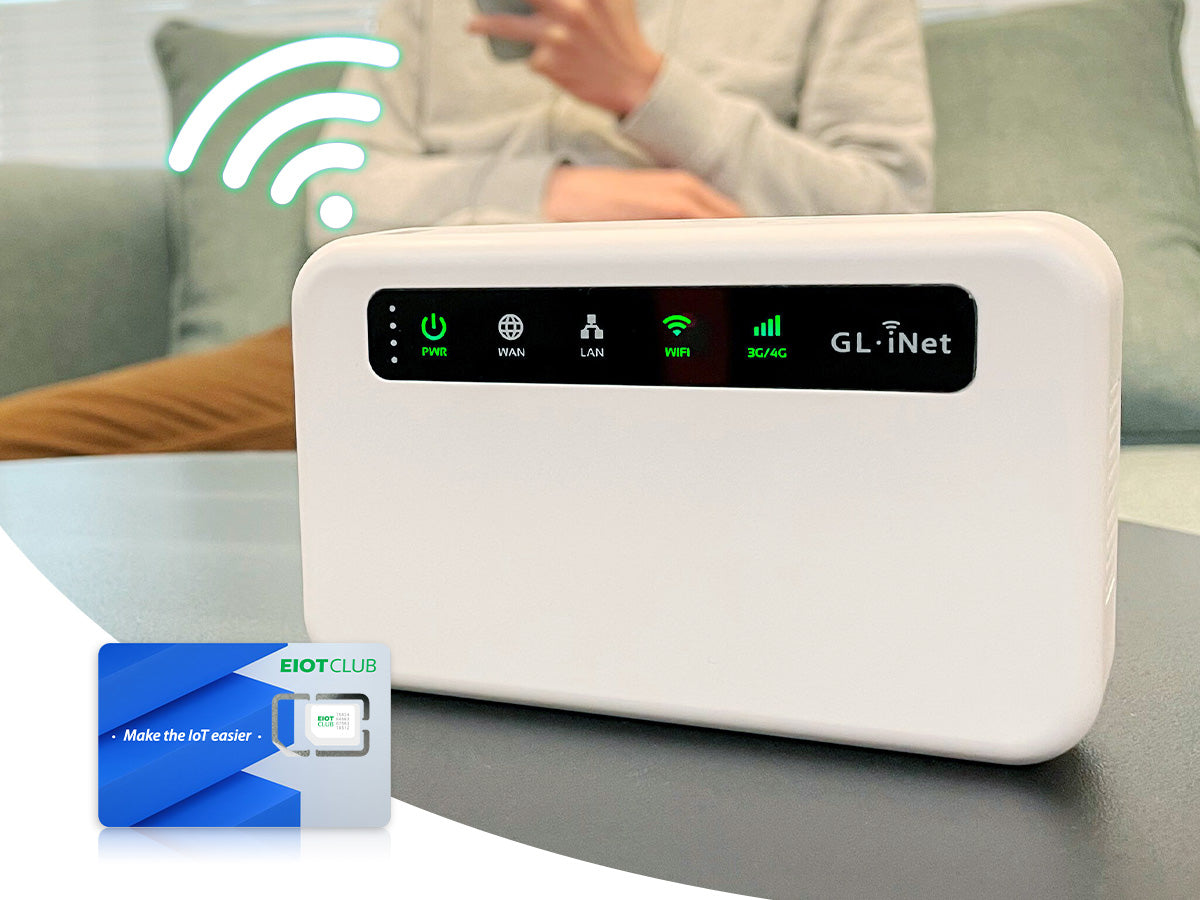
Portable routers usually support a wider range of network types. They can connect to both wired Ethernet and cellular networks, giving you more flexibility. Many portable routers accept SIM cards and can switch between 3G, 4G, and even 5G networks depending on your plan and location.
Hotspots, on the other hand, primarily rely on cellular networks only. They connect to 4G LTE or 5G networks directly and create a Wi-Fi bubble around you. This makes them simpler but less versatile if you want to switch between wired and wireless internet sources.
Device Compatibility
Both devices allow multiple gadgets to connect, but there’s a catch. Portable routers generally support more connected devices at once, sometimes up to 20 or more, which is great if you’re sharing internet with friends or colleagues.
Hotspots tend to limit connections to 10 or fewer devices. This can be a drawback if you rely on many gadgets simultaneously. Think about how many devices you need online before picking one.
Range And Coverage
Range is where portable routers usually shine. They often have stronger antennas and can cover a larger area, sometimes up to 100 meters indoors. This is useful if you’re working in a big space or moving around a lot.
Hotspots typically offer shorter range, around 10 to 30 meters indoors. Their smaller size means less powerful antennas. So, if you need internet in multiple rooms or outdoors, a portable router might serve you better.
Credit: www.eiotclub.com
Performance Differences
Portable routers offer faster speeds and support more devices than hotspots. Hotspots rely on cellular signals and often have limited range and battery life. Performance varies based on connection type and device capabilities.
Understanding the performance differences between a portable router and a hotspot is crucial for making an informed choice about which device best meets your needs. These differences can significantly impact your internet experience, particularly when it comes to speed, battery life, and reliability. Let’s explore these factors to help you decide which option is right for you.Speed And Bandwidth
Portable routers generally offer superior speed and bandwidth compared to hotspots. They are often equipped with advanced technology that can handle multiple connections without compromising performance. Imagine streaming a high-definition movie while your friend downloads large files—all without any lag. Hotspots, on the other hand, might struggle under similar conditions. They are typically designed for lighter use, making them ideal for quick web browsing or checking emails. If you need to connect several devices at once, a portable router might be the better choice.Battery Life
Battery life is another critical factor where these devices differ. Portable routers usually come with larger batteries, offering extended usage time. This makes them a great option for long trips or when you don’t have easy access to power outlets. Hotspots, although convenient, may require frequent charging, especially if used continuously. This can be a hassle if you’re always on the go. Consider your daily routine: do you have frequent opportunities to charge your device, or do you need something that lasts all day?Reliability
When it comes to reliability, portable routers often have the upper hand. They are designed to provide stable connections, even in areas with weak signals. This can be a lifesaver if you’re working remotely in a location with spotty internet service. Hotspots, while reliable for basic tasks, may not offer the same level of consistency, especially in challenging environments. If you rely heavily on a stable internet connection for work or travel, a portable router might give you more peace of mind. Choosing between a portable router and a hotspot depends on your specific needs and lifestyle. By considering factors like speed, battery life, and reliability, you can make a decision that ensures you stay connected when it matters most. What are your internet needs, and which device aligns with them?Security Aspects
Understanding the security aspects of portable routers and hotspots is crucial for protecting your data and privacy. Both devices offer wireless internet access, but their security features can differ significantly. Knowing these differences helps you choose the right device for your needs and keep your connection safe.
Encryption Standards
Encryption is the first line of defense for any wireless device. Portable routers often support advanced encryption protocols like WPA3, which provides stronger security and better protection against hacking attempts.
Hotspots, especially those provided by mobile carriers, may stick to older standards like WPA2. While still secure, these can be more vulnerable to certain attacks. You should always check the encryption level your device uses before connecting.
Access Controls
Access control features determine who can join your network. Portable routers typically offer detailed controls, such as setting up guest networks, MAC address filtering, and user authentication.
On the other hand, hotspots usually have simpler controls, often limited to password protection. This simplicity can be convenient but may increase the risk if your password is weak or shared with many people.
Potential Vulnerabilities
Both devices have vulnerabilities, but their nature can vary. Portable routers might be targeted through outdated firmware or misconfigured settings, which you can fix by regularly updating the device and reviewing configurations.
Hotspots rely heavily on cellular networks, which can expose you to different risks like SIM swapping or network spoofing attacks. Being aware of these risks allows you to take extra precautions, such as monitoring your device’s activity and using VPNs.
Cost And Portability
Cost and portability play a big role when choosing between a portable router and a hotspot device. Both offer wireless internet access on the go, but they differ in price and how easy they are to carry. Understanding these differences helps pick the right device for travel, work, or daily use.
Price Comparison
Portable routers tend to be more affordable upfront than hotspots. Basic models start at a low price, making them budget-friendly. Hotspots usually cost more because they include cellular technology and often come with data plans. Keep in mind, monthly fees for hotspots can add up over time.
Size And Weight
Hotspots are small and light, designed for easy carrying in pockets or bags. Portable routers are often bigger and heavier due to extra features and multiple ports. This can make routers less convenient to carry around daily. Hotspots fit well in tight spaces and pockets.
Ease Of Use
Hotspots are usually plug-and-play. Turn them on, and they connect to cellular networks automatically. Portable routers may need more setup, including configuring Wi-Fi settings. Hotspots are great for quick internet access with minimal effort. Portable routers offer more control but require some technical knowledge.
Choosing The Right Device
Choosing the right device between a portable router and a hotspot depends on how you plan to use it. Both devices share one main goal: provide internet access on the go. Yet, their features fit different needs and situations. Understanding these differences helps pick the best option for your lifestyle and tech habits.
Needs Assessment
Start by thinking about your internet needs. How many devices will connect? Do you need fast speeds or long battery life? Consider the coverage area and your budget. Portable routers often support more connections and offer advanced settings. Hotspots focus on simplicity and quick setup. Clear answers here guide your choice.
Scenarios For Portable Routers
- Traveling with multiple devices like laptops and tablets
- Working remotely where network customization is needed
- Sharing internet with family or a small group
- Using SIM cards from different carriers
- Needing longer battery life or external power options
Scenarios For Hotspots
- Quickly connecting one or two devices
- Short trips where ease of use matters most
- Needing a compact and lightweight device
- Simple internet access without complex settings
- Using mobile data plans with built-in hotspot features

Credit: www.amazon.ca
Frequently Asked Questions
What Is A Portable Router?
A portable router is a compact device that creates a Wi-Fi network using a SIM card or wired connection. It offers secure internet access for multiple devices on the go. Portable routers support advanced features like VPN and can connect via cellular or wired networks.
How Does A Hotspot Differ From A Portable Router?
A hotspot shares cellular data from a smartphone or dedicated device as Wi-Fi. Unlike portable routers, hotspots usually have fewer features and limited connectivity options. Portable routers provide stronger security and more device connections compared to hotspots.
Can I Use A Portable Router Instead Of A Hotspot?
Yes, portable routers can replace hotspots by providing stable Wi-Fi on the move. They offer better range, security, and multiple device support. However, portable routers often require separate SIM cards and may be bulkier than simple hotspots.
Which Device Is Better For Travel: Hotspot Or Portable Router?
Portable routers are better for frequent travelers needing reliable, secure connections. Hotspots suit casual users with light internet needs or short trips. Consider battery life, connectivity options, and device limits when choosing between them.
Conclusion
Portable routers and hotspots both provide internet on the go. Portable routers share a wired or wireless connection with many devices. Hotspots use a cellular signal to give internet access. Each has its own strengths for different needs. Choose based on how you plan to use the internet.
Understanding these differences helps you pick the right device. Stay connected easily, no matter where you are. Simple and clear choices make your internet experience better.