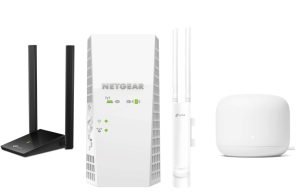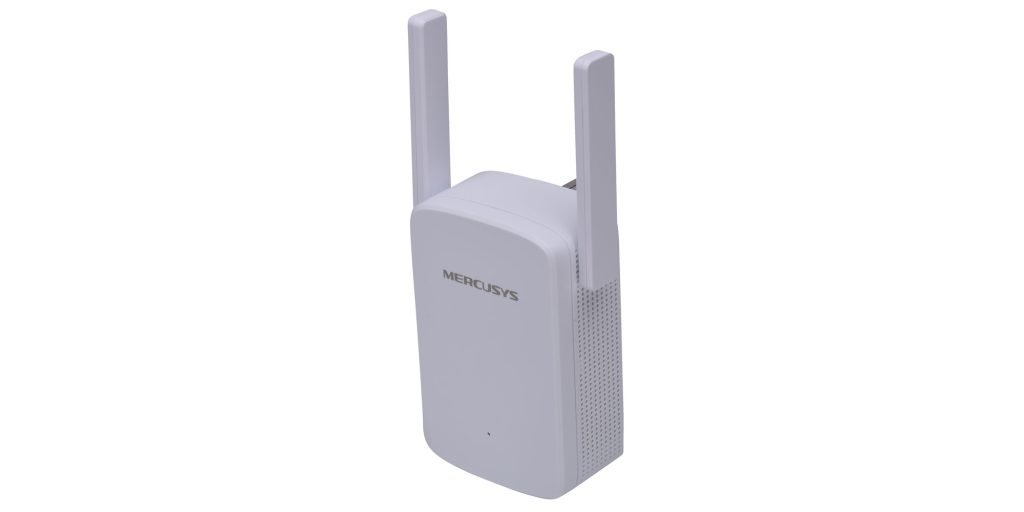
Are you tired of buffering videos and dead zones in your home? Do you find yourself constantly battling weak WiFi signals in certain rooms?
You’re not alone. Many people struggle with maintaining a strong and consistent internet connection throughout their homes. The solution might lie in choosing the right WiFi system. But with terms like “mesh network” and “long-range WiFi extender” thrown around, it can be confusing to know which option is best for you.
Understanding the difference between these two can be your first step toward seamless connectivity. Imagine a home where your devices stay connected without a hitch, no matter where you are. Intrigued? Keep reading to find out how each system works, their pros and cons, and which one might be the perfect fit for your home.

Credit: www.which.co.uk
Mesh Wifi Systems
Mesh WiFi systems create a seamless network with multiple nodes, while long-range extenders boost signal from a single router. Mesh offers better coverage and faster speeds, especially in large homes. Extenders are simpler but may cause slower connections and dead zones.
How Mesh Networks Work
A mesh networkuses several devices called nodes. Each node talks to others to spread wifi. This creates a single, strong networkover a large area. If one node fails, the others keep working. This means fewer dead zones and better coverage.
Benefits Of Mesh Wifi
- Seamless coveragein big homes or offices
- Easy to expandby adding more nodes
- Strong connectionwith less signal loss
- Automatic routingfinds the best path for data
- Simple setupwith apps guiding users
Ideal Use Cases
- Large houses with many rooms
- Offices with many users
- Homes with thick walls blocking signals
- Places needing steady connections everywhere
Long Range Wifi Extenders
Long range WiFi extenders help increase the coverage areaof your wireless network. They pick up the existing WiFi signal and rebroadcast itto reach places far from the main router.
The functionality of WiFi extendersis simple. They connect wirelessly to your router. Then, they send the signal to areas with weak or no WiFi. This helps eliminate dead zonesin your home or office.
- Easy to set up and use
- Extend WiFi to hard-to-reach places
- Can improve internet speed in weak areas
- Work with most routers
Best scenarios for long range extenders include:
- Large homes with many rooms
- Buildings with thick walls
- Outdoor spaces like gardens or patios
- Offices with multiple floors
Performance Comparison
Coverage and Rangevary between mesh and long range WiFi extenders. Mesh WiFi systems create a network with multiple nodes, offering broader and seamless coverageacross large areas. Long range extenders boost signals from a single router, but may have dead zonesor weaker spots further away.
Speed and Reliabilitydiffer too. Mesh networks usually provide stable and faster connectionsbecause data can travel through many nodes. Long range extenders might reduce speedsince they repeat signals and can cause delays or drops.
| Device Management | Mesh WiFi | Long Range Extender |
|---|---|---|
| Control | Central app for all devices | Separate controls for each extender |
| Setup | Easy, guided setup | Manual setup, may be complex |
| Updates | Automatic firmware updates | Manual updates needed |

Credit: www.reddit.com
Installation And Setup
Mesh WiFi systemsoffer easy installation with app guides. They use multiple nodes that connect automatically.
Long range WiFi extendersneed manual setup. You must connect them to your main router and configure settings.
| Feature | Mesh WiFi | Long Range Extender |
|---|---|---|
| Ease of Installation | Simple, app-based setup | Manual setup via router settings |
| Configuration Requirements | Minimal, automatic network sync | Requires IP and channel adjustments |
| Maintenance Needs | Low, software updates through app | Medium, occasional resets and updates |
Mesh systems update themselves easily. Extenders may need you to reset them sometimes.
Cost Factors
The initial costof a mesh wifi system is usually higher than a long range extender. Mesh systems need multiple units to cover a large area. Each unit adds to the upfront price.
Long range extenders often cost less at first. One device can boost the signal far away. This makes it cheaper for small spaces or simple setups.
| Cost Factor | Mesh Wifi | Long Range Extender |
|---|---|---|
| Initial Investment | Higher, multiple units needed | Lower, usually one device |
| Long Term Expenses | Possible updates for better coverage | May require replacement if range is insufficient |
| Value for Money | Better for whole-home coverage | Good for spot coverage at low cost |
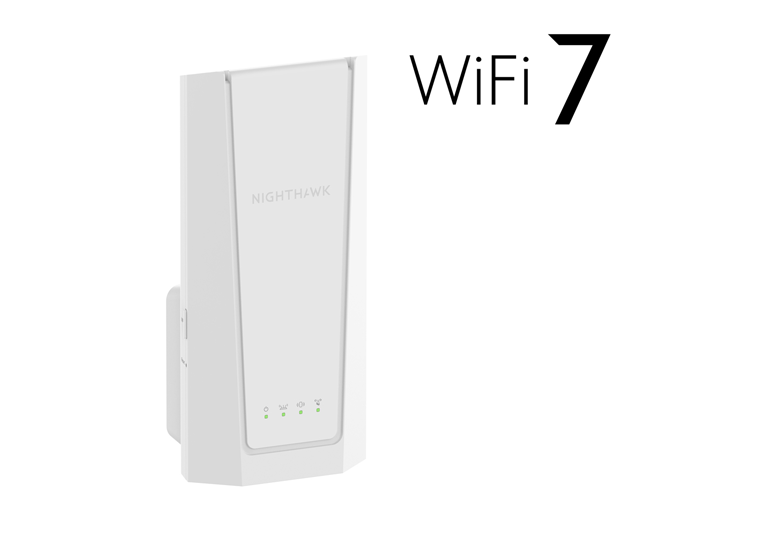
Credit: www.netgear.com
Choosing The Right Solution
Assessing your environment helps decide between meshand long range WiFi extenders. Mesh systems work best in large homeswith many rooms. They create a single networkwith multiple nodes. Long range extenders suit smaller spaces or areas with thick walls. Extenders boost signal from your main router but create a second network.
Device compatibility is key. Mesh networks often support newer WiFi standards. Extenders may not work well with all devices. Check if your devices can connect smoothly to the chosen system. This avoids slow speeds and dropped connections.
Future proofing your network means thinking about upcoming needs. Mesh systems are easier to expand with extra nodes. They handle many devices at once. Extenders might struggle with many users or smart home gadgets. Choose a system that grows with you.
Frequently Asked Questions
What Is A Mesh Wifi System?
A mesh WiFi system uses multiple devices to create a seamless network. It provides strong coverage across large areas. Mesh routers communicate with each other to avoid dead zones. This system ensures consistent internet speed throughout your home or office.
How Does A Long-range Wifi Extender Work?
A long-range WiFi extender amplifies your existing WiFi signal. It rebroadcasts the signal to reach distant areas. This device helps cover spots where the router’s signal is weak. Extenders are best for extending coverage without replacing your router.
Which Is Better For Large Homes: Mesh Or Extender?
Mesh WiFi systems are generally better for large homes. They offer more reliable, consistent coverage and easy management. Extenders may cause signal drops and slower speeds. Mesh systems adapt dynamically to network changes, providing smoother connectivity.
Can Mesh Wifi And Extenders Be Used Together?
Yes, mesh WiFi and extenders can be combined. However, it may complicate network management and reduce performance. It’s best to use one solution for optimal results. Mixing devices can cause interference and coverage overlap.
Conclusion
Choosing between mesh and long-range WiFi extenders depends on your needs. Mesh systems cover large areas with smooth connections. Long-range extenders boost signals over distance but may have slower speeds. Both help fix WiFi dead zones. Consider your home size and budget before buying.
Good WiFi means less frustration and more convenience. Now, you can pick the best option for your space.