Have you ever tried to enjoy your favorite music or stream a video outside, only to be interrupted by weak WiFi signals? It’s frustrating, especially when the weather is just perfect for outdoor relaxation.
That’s where outdoor WiFi extenders come into play, promising to boost your signal and enhance your connectivity experience. But a question lingers in many minds: are outdoor WiFi extenders waterproof? Imagine investing in one, only to have it damaged by an unexpected rain shower.
We’ll dive into the world of outdoor WiFi extenders and uncover if they can withstand the elements, ensuring you make a smart choice for your connectivity needs. Keep reading to discover the truth and protect your investment.
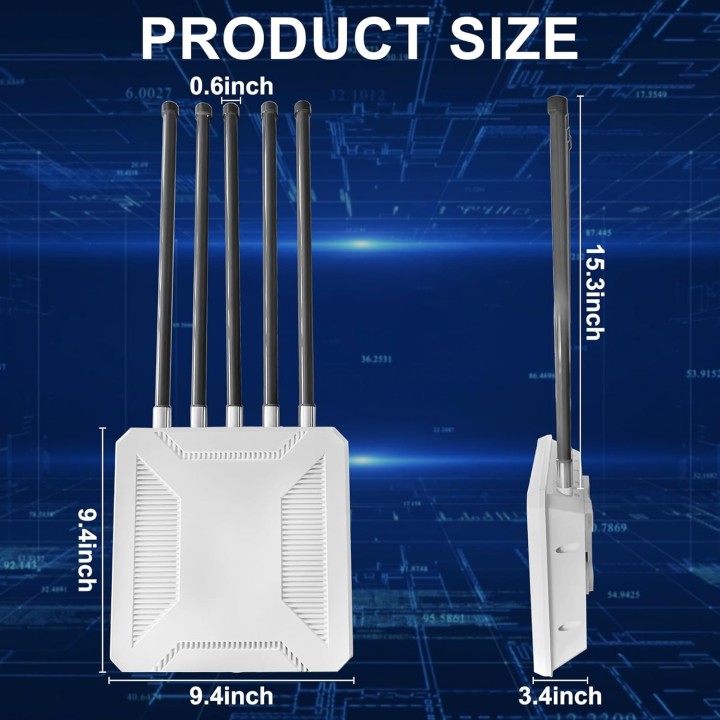
Credit: eoqo.com
Outdoor Wifi Extenders And Weather Exposure
Outdoor WiFi extendersface many weather challenges daily. Rain and moisture can damage devices not built to resist water. Devices labeled as waterproofor weather-resistanthave special seals to stop water from entering. Moisture can cause short circuitsor rustinside the extender.
Temperature extremes also affect these devices. Very cold weather may cause batteries to drain faster. Heat can make parts inside the extender expandand fail. Good extenders have cases made from materials that handle hot and coldwell.
- Rain can cause water damage if not waterproof.
- Moisture may lead to short circuits and rust.
- Cold weather can reduce battery life.
- Heat may cause parts to expand and break.
- Durable materials help resist weather problems.
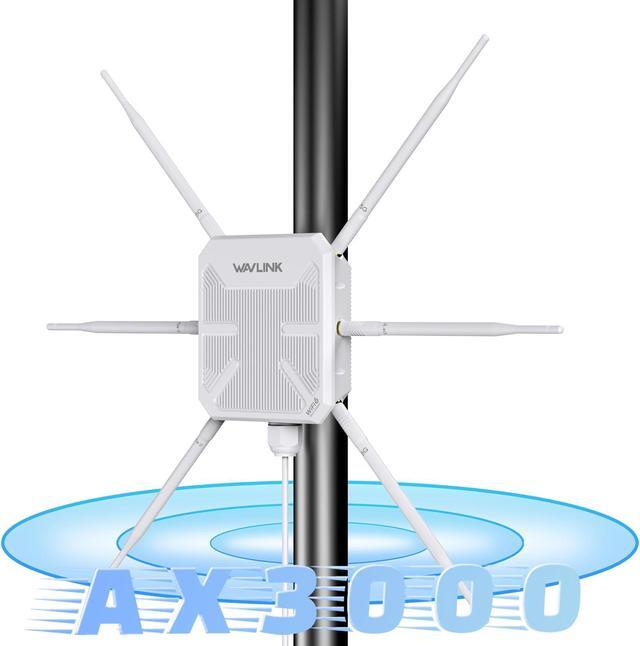
Credit: www.newegg.com
Waterproof Ratings Explained
The IP rating systemshows how well a device stands against dust and water. It has two numbers: the first shows protection from solids like dust, the second shows water resistance.
| IP Rating | Water Protection Level |
|---|---|
| IP65 | Protected from water jets from any direction |
| IP66 | Protected from powerful water jets |
| IP67 | Protected from temporary immersion in water |
For outdoor WiFi extenders, IP65means they resist rain and splashes. IP66means they can handle stronger water jets. IP67means they can survive being briefly underwater.
Choosing a higher IP rating means better protection. This helps extenders last longer outside.
Are Outdoor Wifi Extenders Waterproof?
Outdoor WiFi extenders often have waterproof featuresto protect against rain and moisture. These devices usually come with sealed enclosuresand rubber gasketsto keep water out. Many have an IP rating, like IP65 or IP67, indicating their level of water protection.
Despite these features, they can have limitations. Heavy rain, floods, or submersion can still cause damage. Over time, seals may wear out, reducing protection. Proper installation and maintenance help extend their life.
| Feature | Waterproof | Water-Resistant |
|---|---|---|
| Protection level | Complete protection against water | Limited protection; resists splashes or light rain |
| Use cases | Can handle heavy rain or brief submersion | Suitable for mild weather conditions |
| Durability | Seals and materials prevent water entry | May allow some water inside over time |
Choosing Weatherproof Wifi Extenders
Choose wifi extendersdesigned to resist rain, dust, and snow. Look for weatherproof ratingslike IP65 or higher. These ratings show the device can handle wet and dusty conditions.
Devices made with durable plastic or metalcasings last longer outdoors. Sealed ports prevent water from entering. A strong build keeps the extender safe during storms.
| Brand | Model | Weatherproof Rating | Key Feature |
|---|---|---|---|
| TP-Link | RE650 | IP65 | Strong signal with dustproof design |
| Netgear | EX8000 | IP67 | Waterproof and high-speed |
| Ubiquiti | AmpliFi HD | IP66 | Rugged build for outdoor use |
Installation Tips For Weatherproof Performance
Choose a spot that stays dry and sheltered from rain. Avoid placing extenders directly under gutters or near puddles. Mount devices high on walls or under eaves to keep water away. Clear drainage paths help prevent water buildup around the unit.
Use waterproof coversor specially designed enclosures for extra protection. These covers block rain and snow but allow signals to pass through. Ensure vents or openings do not trap moisture inside. Tight seals keep dirt and bugs out as well.
- Regularly check for cracks or damage on the extender’s casing.
- Clean dust and debris gently using a soft brush or cloth.
- Inspect seals and covers to confirm they stay tight and secure.
- Replace worn-out protective gear promptly to avoid water leaks.
- Test the signal strength often to spot early issues.

Credit: www.amazon.com
Troubleshooting Weather-related Issues
Outdoor WiFi extenders face rain, wind, and snow. These can cause signal drops and power issues. Water may enter if the device is not fully sealed.
Common problems include:
- Signal lossduring heavy rain
- Device overheatingunder direct sun
- Corrosionfrom moisture
- Physical damagefrom strong winds
Quick fixes and tips:
- Check and tighten all cable connections
- Use waterproof covers or enclosures
- Place extender under a roof or eave
- Keep vents clear for airflow
Replace the extender if:
- It shows persistent connection problems
- Physical damage is visible
- The device no longer powers on
- Repeated failures happen after fixes
Frequently Asked Questions
Are Outdoor Wifi Extenders Waterproof By Default?
Most outdoor WiFi extenders are designed with waterproof casings. However, always check product specifications to confirm their IP rating. Proper installation and sealing help ensure protection against rain and moisture, enhancing durability and performance.
What Does Waterproof Rating Mean For Outdoor Extenders?
Waterproof ratings indicate how well an extender resists water and dust. Common ratings like IP65 or IP67 show protection levels. Higher ratings mean better resistance to rain, splashes, and dust, ensuring reliable outdoor operation.
Can I Use Indoor Extenders Outside Safely?
Indoor extenders typically lack waterproof features and can be damaged by moisture. Using them outdoors without protection risks performance issues and hardware failure. Always choose extenders specifically rated for outdoor use.
How To Protect Wifi Extenders From Harsh Weather?
Install extenders under eaves or sheltered areas to minimize direct rain exposure. Use waterproof enclosures if needed. Regularly inspect seals and cables to maintain protection against moisture and extreme temperatures.
Conclusion
Outdoor WiFi extenders often have waterproof features to protect them. This helps them work well even in rain or snow. Still, check the product details before buying. Not all models are fully waterproof. Some only resist light water or splashes.
Proper installation also keeps devices safe from water damage. Choose extenders made for outdoor use to get the best results. This way, your WiFi stays strong outside without worry. Simple care and the right device make all the difference.