Are you wondering if travel routers really keep your data safe when you’re on the go? With so many devices connected and public Wi-Fi networks everywhere, it’s easy to worry about hackers and privacy.
But can a travel router protect you, or does it bring new risks? You’ll discover the truth about travel router security—and what you can do to keep your information locked down no matter where you are. Keep reading to find out how to travel smarter and safer.

Credit: www.amazon.com
Travel Router Security Basics
Travel routers help connect your devices to the internet safely while on the move. They create a private network, making public Wi-Fi safer to use. Understanding how these devices work and their common risks is key to using them securely.
How Travel Routers Work
Travel routers connect to a public or wired network. They create a personal Wi-Fi network for your devices. This setup keeps your data separate from others on the same public network. Travel routers often include encryption to protect your information. They can also manage multiple devices at once.
Common Security Risks
- Weak passwords allow hackers to access your network.
- Outdated firmware can have security flaws.
- Unsecured public Wi-Fi networks may expose data.
- Default settings might leave your router vulnerable.
- Man-in-the-middle attacks intercept your data.

Credit: www.yankodesign.com
Types Of Threats To Watch
Travel routers offer convenience but also come with security risks. Knowing the types of threats helps protect your data and privacy. These dangers can target your device or the network you use. Stay alert to keep your connections safe.
Man-in-the-middle Attacks
Hackers can intercept data between your device and the internet. They capture sensitive information like passwords or credit card details. This attack often happens on public or unsecured Wi-Fi networks. Travel routers can be a target if not properly secured. Using strong encryption reduces this risk significantly.
Malware And Spyware
Malware can infect travel routers through unsafe downloads or websites. Spyware secretly tracks your online activity and steals data. Once infected, the router can spread malware to connected devices. Regularly updating router firmware helps block these threats. Avoid clicking unknown links or downloading suspicious files.
Unauthorized Access
Weak passwords allow strangers to access your travel router. They can change settings or spy on your traffic. Some may use your internet connection for illegal activities. Always set a strong, unique password for your router. Disable remote management features unless absolutely necessary.
Choosing A Secure Travel Router
Choosing a secure travel router is essential for protecting your personal data and ensuring safe internet access on the go. Not all travel routers are built with the same level of security, so it’s important to know what features to look for. Your choice can make a difference between staying safe and exposing yourself to cyber threats.
Key Security Features
Look for travel routers that offer strong encryption standards like WPA3. This helps protect your data from hackers trying to intercept your connection.
Another important feature is a built-in firewall. It acts as a barrier between your devices and potential online threats, blocking unauthorized access attempts.
Some routers also support VPN passthrough, which allows you to connect securely to your company’s network or use a VPN service easily. This adds an extra layer of privacy when you’re using public Wi-Fi.
Firmware And Software Updates
Regular firmware updates are crucial for fixing security vulnerabilities. Before buying, check if the manufacturer frequently releases updates and if the update process is user-friendly.
Outdated software can leave your travel router exposed to known threats. Think about how often you travel and whether you can keep the router updated during your trips.
Ask yourself: Does the router offer automatic updates or notifications? This can save you from manually checking and potentially missing critical patches.
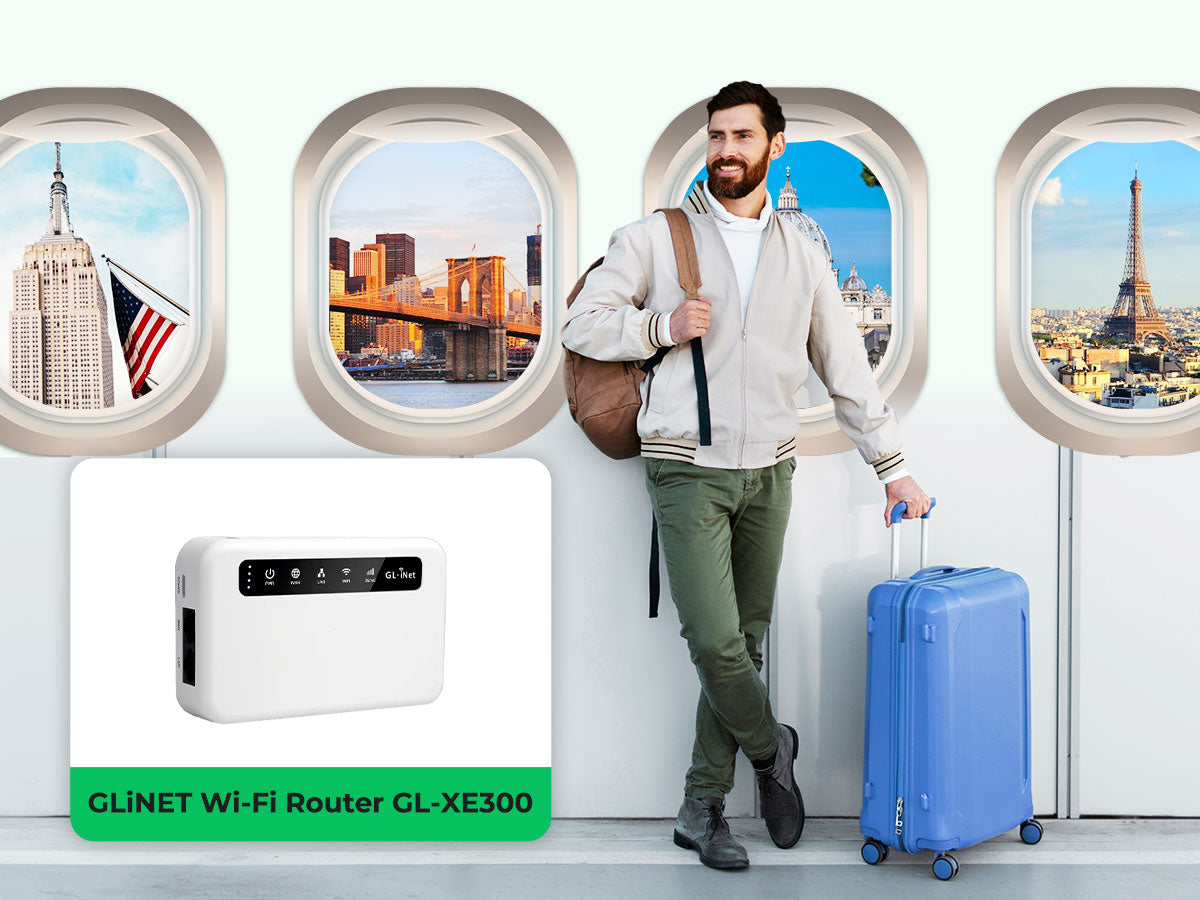
Credit: www.eiotclub.com
Safe Configuration Practices
Configuring your travel router safely is key to keeping your personal data and devices protected while on the go. Without proper setup, even the best travel routers can become easy targets for hackers. Paying close attention to settings like passwords, encryption, and service options makes a huge difference in your security.
Strong Password Setup
Choosing a strong password for your travel router is one of the simplest yet most effective ways to prevent unauthorized access. Avoid common passwords like “admin” or “password123” that hackers try first. Instead, use a mix of uppercase letters, lowercase letters, numbers, and symbols.
Think about a time you left your router with a default password and noticed strange devices connected. That’s a clear sign you need a stronger password. Change your router’s admin and Wi-Fi passwords regularly to keep your network secure.
Network Encryption Options
Encryption scrambles the data you send over your network, making it unreadable to outsiders. Look for travel routers that support WPA3, the latest and strongest encryption standard. If WPA3 isn’t available, use WPA2, but avoid older options like WEP, which are easily broken.
Check your router’s settings to enable encryption. Without it, anyone nearby can intercept your data, including passwords and personal info. Secure encryption protects your traffic even on public Wi-Fi networks at hotels or cafes.
Disabling Unused Services
Many travel routers come with extra services turned on by default, such as remote management, UPnP, or guest networks. If you don’t need these features, disable them immediately. Each active service is a potential entry point for attackers.
Ask yourself: Do I really need remote access to this router while traveling? If the answer is no, turn off remote management to reduce risk. Regularly review your router’s settings and turn off anything unnecessary to tighten security.
Using Travel Routers Safely On The Go
Travel routers can enhance internet connectivity while traveling. Ensuring they are secure is essential for safe browsing. Use strong passwords and regularly update firmware to protect personal data from potential threats.
Using a travel router is a smart choice for travelers. It keeps your devices connected and secure. But how do you ensure safety while on the go? Here’s how to use travel routers safely.Avoiding Public Wi-fi Risks
Public Wi-Fi can be risky. Hackers often target these networks. A travel router creates a private network. It acts as a shield between your devices and public networks. Always connect through your travel router. It encrypts your data, keeping it safe from prying eyes.Securing Multiple Devices
A travel router can secure several devices at once. Smartphones, tablets, and laptops connect easily. Set a strong password for your router. This prevents unauthorized access. Regularly update your router’s firmware. Updates fix security flaws and improve performance.Monitoring Network Activity
Keep an eye on what’s happening on your network. Many travel routers offer monitoring tools. Check which devices are connected. Look for any unusual activity. Disconnect unknown devices immediately. This helps maintain your network’s security.Additional Security Tools
Adding extra layers of security to your travel router can make a big difference in protecting your data. Basic router settings alone often aren’t enough to keep hackers at bay. Using additional security tools gives you more control and peace of mind while you’re on the go.
Virtual Private Networks (vpns)
A VPN encrypts your internet connection, hiding your online activity from prying eyes. Even if your travel router’s security isn’t top-notch, a VPN creates a secure tunnel for your data. This is especially useful when you connect to public Wi-Fi networks in airports or cafes.
Think about the last time you connected to an airport Wi-Fi. Without a VPN, anyone on that network could potentially spy on your browsing or steal sensitive information. With a VPN, your data stays private and secure, no matter where you travel.
Antivirus And Firewall Software
Antivirus software on your devices can catch malware before it causes harm. It works well alongside your travel router’s firewall, which blocks unauthorized access attempts. Together, they form a strong shield against cyber threats.
Many travelers overlook the importance of keeping their devices protected with antivirus programs. You might trust your travel router, but a single infected device can spread malware through your network. Keeping your antivirus and firewall updated helps stop these threats before they start.
Troubleshooting Common Issues
Troubleshooting common issues with travel routers helps maintain a secure connection. Small problems can disrupt your online safety and slow down your internet. Understanding how to detect and fix these issues keeps your router working well. This section guides you through basic steps to solve typical problems easily.
Detecting Suspicious Activity
Check your travel router’s admin panel often. Look for unknown devices connected to your network. Watch for unusual spikes in data usage or connection drops. These signs may indicate hackers or malware. Set alerts if your router supports them to notify you about new connections. Use strong passwords and change them regularly to prevent unauthorized access.
Resetting And Reconfiguring
Reset your router if it acts strangely or slows down. Press the reset button for about 10 seconds to restore factory settings. After reset, set a new, strong password immediately. Reconfigure your network settings carefully. Update the firmware to fix bugs and improve security. Avoid default usernames and passwords to keep hackers out.
Frequently Asked Questions
Are Travel Routers Safe For Public Wi-fi Use?
Travel routers add a security layer by encrypting your connection on public Wi-Fi. They create a private network, reducing risks like data theft or hacking. Always choose routers with strong encryption protocols like WPA3 for enhanced safety.
How Do Travel Routers Protect My Online Data?
Travel routers use encryption to safeguard your data from interception. They create a secure tunnel between your devices and the internet. This prevents unauthorized access and keeps sensitive information like passwords and credit card details safe.
Can Travel Routers Prevent Hacking On Hotel Networks?
Yes, travel routers can help prevent hacking by isolating your devices from the hotel’s unsecured network. They act as a firewall and encrypt your data, minimizing exposure to cyber threats common in public or hotel Wi-Fi environments.
Do Travel Routers Support Vpn For Added Security?
Many travel routers support VPN connections, enhancing your privacy and security. VPNs encrypt all internet traffic, masking your IP address and location. Using a VPN with a travel router offers strong protection against surveillance and cyberattacks.
Conclusion
Travel routers can offer good security when set up right. Always change default passwords and update the device regularly. Use strong encryption like WPA3 to keep data safe. Avoid connecting to unknown networks through the router. Being careful helps protect your personal information on the go.
Travel routers add convenience but need cautious use. Your safety depends on how you manage the device. Stay aware and enjoy safer internet while traveling.