When you’re on the move, staying connected is a must. You might be wondering, are travel routers weatherproof enough to handle rain, wind, or dust?
If your router can’t keep up with the elements, your connection could drop at the worst possible moment. You’ll discover what makes a travel router weatherproof, why it matters for your trips, and how to choose one that keeps you online no matter the weather.
Keep reading—you don’t want to get caught off guard without a reliable connection.

Credit: www.amazon.com
Travel Routers And Weather Resistance
Travel routers offer convenience by providing internet access on the go. Their ability to handle outdoor conditions varies widely. Weather resistance plays a key role for those who use routers outside or in unpredictable climates. Understanding their design and protection levels helps choose the right device for your needs.
Design Features For Outdoor Use
Outdoor travel routers often have rugged designs. They include protective covers to shield ports and buttons. Rubber seals prevent dust and water from entering sensitive areas. Compact size and lightweight build make them easy to carry. Some models have built-in antennas for better signal reach in open spaces.
Common Materials And Build Quality
Most travel routers use durable plastic or metal cases. Plastic models are lightweight and resistant to impact. Metal cases offer extra strength and heat dissipation. High-quality materials resist scratches and minor drops. Some devices include textured surfaces to improve grip in wet conditions.
Ip Ratings Explained
IP ratings indicate a device’s protection against dust and water. The rating has two numbers. The first number shows dust protection on a scale of 0 to 6. The second number shows water resistance from 0 to 9. For example, IP67 means full dust protection and water resistance up to 1 meter deep for 30 minutes. Many travel routers have no or low IP ratings, so extra caution is needed outdoors.

Credit: www.amazon.com
Challenges Of Outdoor Environments
Outdoor environments present many challenges for travel routers. These devices face harsh conditions that can affect their performance and durability. Understanding these challenges helps in choosing the right travel router for outdoor use.
Exposure To Rain And Moisture
Rain and moisture can damage travel routers not designed for wet conditions. Water can seep into ports and circuits, causing short circuits. Many travel routers lack waterproof casing, making them vulnerable outdoors. Using a protective cover or waterproof model is crucial to avoid damage.
Temperature Extremes
Outdoor temperatures can vary greatly, from freezing cold to intense heat. Extreme cold can slow down device performance and cause battery issues. High heat may cause overheating and permanent hardware damage. Travel routers need to handle these temperature changes for reliable operation.
Dust And Debris Impact
Dust and debris are common outdoors and can clog router vents and ports. Fine particles can enter the device and cause internal damage. Dust accumulation reduces cooling efficiency, leading to overheating. Devices with sealed designs offer better protection against dust and dirt.
Popular Weatherproof Travel Routers
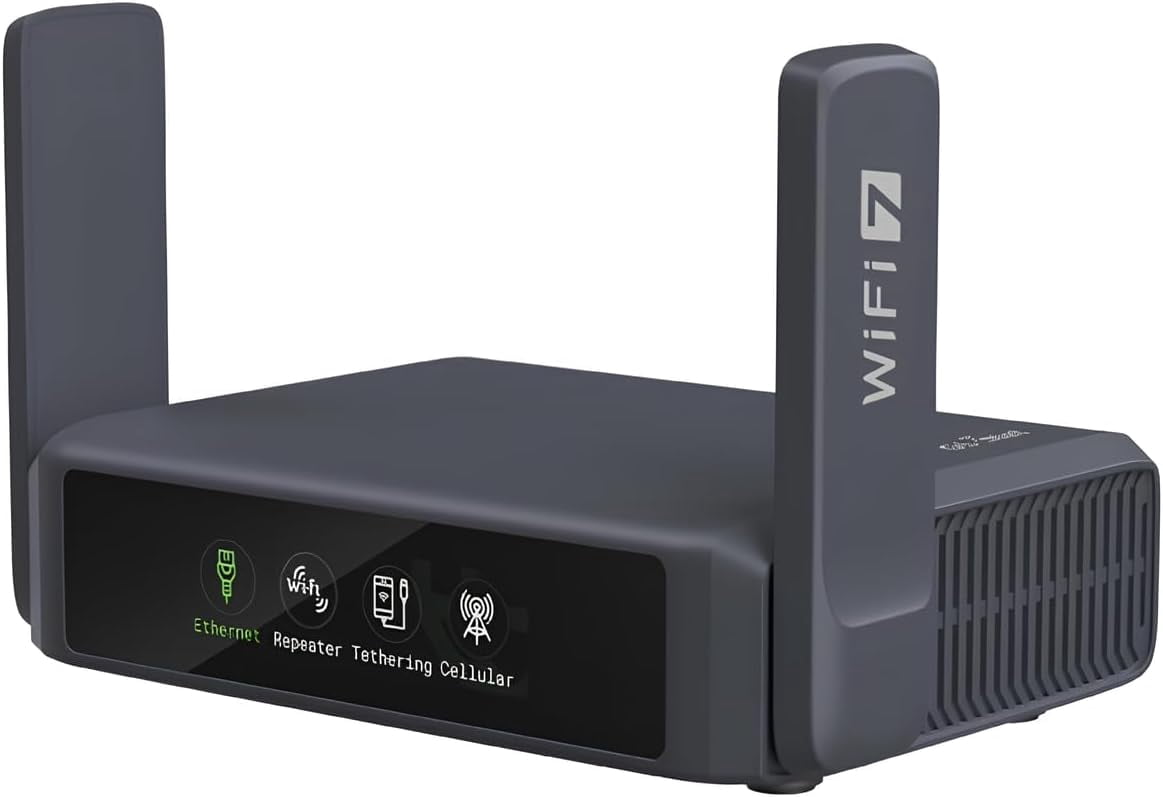
Travel routers with weatherproof features offer reliable internet access outdoors. They work well in rain, dust, and extreme conditions. These routers suit campers, hikers, and outdoor workers. Many brands now build durable models to meet these needs.
Choosing the right weatherproof travel router means balancing protection, speed, and price. The following sections highlight popular models, their durability, and value for money.
Top Models With Weatherproof Features
- GL.iNet GL-X3000:IP65-rated, supports mesh Wi-Fi, easy setup.
- TP-Link TL-MR3020:Compact, splash-resistant, good for light outdoor use.
- Netgear Nighthawk M1:Rugged design, fast LTE speeds, weather-sealed ports.
- RAVPower FileHub:Dustproof casing, battery-powered, multi-functional router.
- Ubiquiti UniFi Mesh:High durability, strong outdoor signal, weatherproof enclosure.
Durability And Performance Reviews
Most weatherproof travel routers have tough outer shells. They resist rain, dust, and drops. Users praise models with IP ratings for real outdoor use. Battery life varies but often lasts several hours.
Performance is stable even in harsh weather. Speeds depend on network and router capacity. Some routers include advanced antennas for better range. Setup is usually simple, with mobile apps or web interfaces.
Price Vs. Protection
| Model | Price Range | Weatherproof Level | Best Use |
|---|---|---|---|
| GL.iNet GL-X3000 | $$$ | IP65 | Outdoor professionals, campers |
| TP-Link TL-MR3020 | $ | Splash-resistant | Light outdoor use |
| Netgear Nighthawk M1 | $$$$ | Weather-sealed | Travelers needing fast LTE |
| RAVPower FileHub | $$ | Dustproof | Travel and file sharing |
| Ubiquiti UniFi Mesh | $$$ | Weatherproof enclosure | Extended outdoor coverage |
Higher price often means better protection and features. Lower-cost models suit casual users. Match router choice to your travel and weather needs.
Enhancing Protection For Travel Routers
Travel routers have become essential gadgets for the modern traveler, ensuring seamless internet connectivity wherever you go. However, their durability can be a concern, especially when exposed to harsh weather conditions. Enhancing their protection is crucial to keep them functioning optimally during your adventures.
Protective Cases And Covers
Investing in a high-quality protective case or cover is a simple yet effective way to safeguard your travel router. These accessories are designed to shield your device from dust, moisture, and accidental drops. Look for cases that offer water-resistant properties and sturdy material for the best protection.
Many travelers, like myself, find peace of mind knowing their equipment is safe from unexpected weather changes. Consider cases with additional compartments for cables and accessories, making your travel gear more organized and convenient.
Diy Weatherproofing Tips
If you’re a DIY enthusiast, you can enhance your router’s weatherproofing with some simple household items. Use a zip-lock bag or plastic wrap to cover your router, ensuring the connectors remain accessible. This method is cost-effective and quick, especially during sudden rain showers.
Another tip is applying a thin layer of silicone sealant around the edges and openings of the router. It acts as a barrier against moisture without affecting performance. Always test your DIY solution in a controlled environment before relying on it during your travels.
Placement Strategies Outdoors
Strategically placing your router can prevent exposure to adverse weather conditions. Look for covered areas like under a gazebo or an awning where the device is shielded from direct rain or sunlight. This reduces the risk of water damage and overheating.
Consider using natural barriers like trees or rocks to block wind and rain. Secure the router with ties or mounts to keep it stable during windy conditions. By being mindful of placement, you can extend the life of your travel router and maintain reliable connectivity.
Alternatives To Weatherproof Travel Routers
Travel routers are not always built to handle tough weather conditions. Many travelers need reliable internet access outdoors or in harsh environments. There are other options to consider that provide strong connections without worrying about weather damage.
Using Mobile Hotspots
Mobile hotspots offer internet access through cellular networks. They work well outside and in various weather conditions. Most mobile hotspots are small and easy to carry. They connect multiple devices without cables or extra equipment. Battery life varies, but many models last several hours. Some offer data plans with good coverage worldwide. Mobile hotspots are simple to set up and use.
Rugged Outdoor Wi-fi Devices
Rugged outdoor Wi-Fi devices are built for harsh environments. These devices often have weatherproof cases and strong antennas. They handle rain, dust, and extreme temperatures better than regular routers. Many include extra features like solar charging or long battery life. Outdoor Wi-Fi devices are ideal for camping, hiking, or work sites. They provide stable internet access without needing a wired connection.
Signal Boosters For Outdoor Use
Signal boosters improve Wi-Fi or cellular signals in weak coverage areas. They can be mounted outside to catch better signals. Boosters increase the range and strength of your internet connection. Some models are designed specifically for outdoor use and resist weather damage. Signal boosters work well with mobile hotspots and outdoor routers. They help maintain fast and stable internet even far from main signals.
Credit: www.walmart.com
Maintenance For Outdoor Travel Routers
Outdoor travel routers face tough environments. Dirt, rain, and extreme temperatures can harm them. Proper maintenance keeps these devices working well and lasting longer. Regular care protects your investment and ensures stable connections during your travels.
Cleaning And Inspection
Remove dust and mud using a soft brush or cloth. Avoid water inside the device to prevent damage. Check for cracks or loose parts often. Early spotting of issues helps avoid bigger problems later.
Battery Care In Harsh Conditions
Extreme heat or cold reduces battery life. Store batteries in a cool, dry place when not in use. Charge the battery fully before trips. Avoid letting the battery drain completely to keep it healthy.
Firmware Updates And Security
Keep the router’s software updated for best performance. Updates fix bugs and add security patches. Connect to a safe network to download updates. Regular updates protect your data from threats.
Frequently Asked Questions
Are Travel Routers Usually Weatherproof?
Most travel routers are not weatherproof. They are designed for indoor use and lack protection against rain or extreme weather. For outdoor use, choose routers specifically labeled as weatherproof or rugged.
Can Travel Routers Handle Rain Or Moisture Exposure?
Standard travel routers cannot handle rain or moisture exposure. Water can damage internal components. Use protective cases or weatherproof models for outdoor environments.
What Features Make A Travel Router Weatherproof?
Weatherproof travel routers have sealed ports, water-resistant coatings, and durable materials. These features protect against rain, dust, and humidity, ensuring reliable performance outdoors.
Is It Safe To Use Travel Routers Outdoors?
Using non-weatherproof travel routers outdoors is risky. Exposure to elements can cause damage or malfunction. Always opt for weatherproof devices or use protective covers in outdoor settings.
Conclusion
Travel routers are usually not fully weatherproof. Most need protection from rain and extreme conditions. Using a case or cover helps keep them safe outdoors. Choose models with some water resistance if you plan to use them outside. Always check product details before buying.
Taking simple steps protects your device and keeps your connection strong. Stay prepared and enjoy reliable internet wherever you travel. Safe travels and smart device care go hand in hand.