Are you tired of slow internet and laggy games in your dorm room? You might be wondering if a gaming router could be the solution.
Imagine smoother gameplay, faster downloads, and a stronger connection that keeps up with all your devices. But is a gaming router really the right choice for your dorm setup? You’ll discover the benefits, potential challenges, and smart tips to make the most out of your internet.
Keep reading to find out if investing in a gaming router can level up your dorm experience.

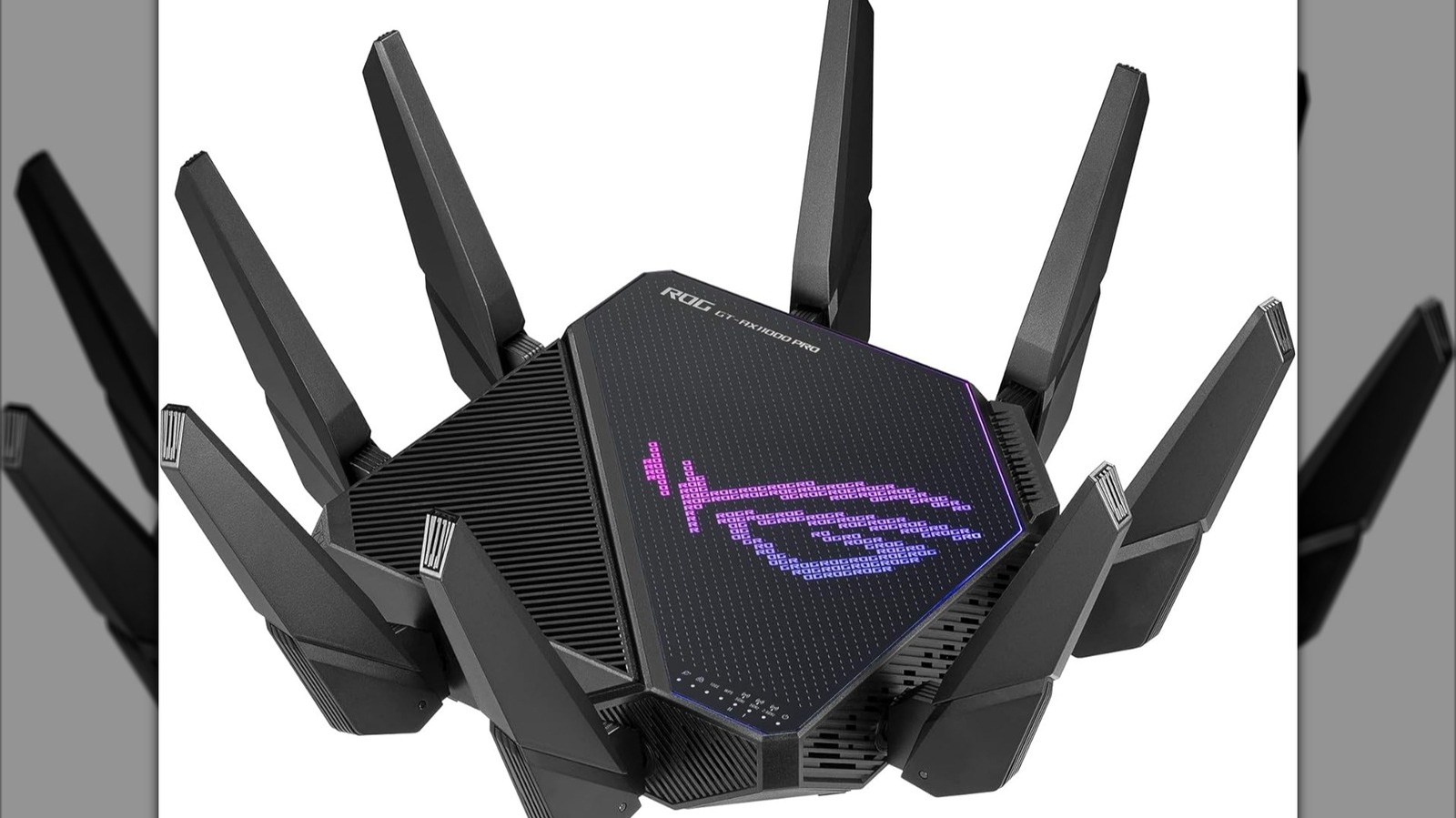
Credit: www.amazon.com
Benefits Of A Gaming Router
Choosing the right router for your dorm room can make a big difference in your online gaming experience. Gaming routers offer specific advantages that go beyond what standard routers provide. These benefits can help you maintain a smooth, fast, and reliable connection, even in a crowded Wi-Fi environment like a dorm.
Improved Connection Stability
Gaming routers are designed to keep your connection stable during long gaming sessions. They handle multiple devices better, which is crucial in a dorm where many students share the same network. This means fewer unexpected drops or lag spikes that can ruin your gameplay.
I once switched to a gaming router during finals week when the dorm Wi-Fi was overloaded. The difference was clear—I stayed connected without interruptions, even when my roommates were streaming videos.
Enhanced Speed And Performance
These routers often come with advanced hardware and better antennas that boost your signal strength. You get faster download and upload speeds, which help with quick game updates and smooth multiplayer matches. With less buffering and faster data transfer, your gaming feels more responsive.
Think about how frustrating it is to wait for a game update on a slow connection. A gaming router cuts that wait time significantly, so you spend more time playing and less time staring at loading screens.
Prioritizing Gaming Traffic
One standout feature is Quality of Service (QoS), which lets you prioritize gaming data over other internet use. This means your gaming packets get sent first, reducing lag even if others are watching Netflix or browsing social media. It’s like having a fast lane for your gaming traffic.
Have you noticed your game lagging when someone else in your dorm starts a video call? A gaming router’s traffic prioritization can prevent that issue, keeping your gaming smooth no matter what others are doing online.
Dorm Room Network Challenges
Living in a dorm means dealing with network challenges that can test your patience, especially if gaming is part of your routine. The internet setup in dorms is often shared among many students, which affects speed and reliability. Understanding these challenges helps you decide if a gaming router is the right move for your dorm room.
Shared Wi-fi Limitations
In a dorm, the Wi-Fi network is usually shared by dozens or even hundreds of students. This leads to overcrowded connections where everyone competes for bandwidth.
You might notice slow loading times or lag spikes during peak hours. Even the best gaming router can struggle when too many devices connect to the same access point.
Have you ever tried playing an online game only to experience sudden lag because someone nearby started streaming a movie? That’s the reality of shared Wi-Fi environments.
Bandwidth Restrictions
Dorm networks often come with bandwidth caps set by the administration or service provider. This means your total data usage might be limited each month.
Streaming, video calls, and gaming can quickly eat up your data allowance. If you exceed it, your connection speed could be throttled, ruining your gaming experience.
Knowing the bandwidth limits in your dorm can help you manage your online activities better and avoid unexpected slowdowns.
Security Concerns
Public or shared networks in dorms are more vulnerable to security risks like hacking or data snooping. Without proper protection, your personal information might be exposed.
A gaming router can offer stronger security features, but you still need to be cautious. Using a VPN and enabling firewall settings can add extra layers of safety.
Ask yourself: Is your current network setup secure enough to protect your data while gaming or studying?
Compatibility With Dorm Networks
Using a gaming router in your dorm room can boost your internet experience, but compatibility with dorm networks is a key factor. Dorm network setups often have unique configurations and restrictions that can impact how well your router performs. Understanding these can save you time and frustration during setup and daily use.
Router Setup Restrictions
Dorm networks usually limit how you can configure your router. Many require you to register your device’s MAC address before it can access the internet. This means your gaming router might need manual registration with the dorm’s network administrator.
Some dorms block routers altogether to prevent network issues. If you try to connect without permission, your router might not get an IP address or could be blocked entirely. Checking the dorm’s network policy upfront can help you avoid these headaches.
Network Policies And Rules
Network administrators often enforce rules to keep the internet stable for everyone. These rules may include bandwidth limits, device caps, or restrictions on using multiple devices through a single router. Your gaming router’s advanced features won’t matter if the network policy limits your connection speed or device count.
Ask yourself: how strict is your dorm’s network policy? Some dorms allow full router use, while others treat any router as a violation. Understanding these rules helps you decide if a gaming router is worth it or if you should look for other ways to improve your connection.
Using Ethernet Vs Wi-fi
Ethernet connections in dorm rooms often provide the most stable and fastest internet. If your dorm room has Ethernet ports, plugging your gaming router directly in can give you the best performance for gaming and streaming. This also reduces Wi-Fi interference common in crowded dorms.
However, many dorms only offer Wi-Fi, which means your router will have to work within the shared wireless environment. Your gaming router’s ability to manage multiple devices and reduce lag can still improve your experience here. Just remember that Wi-Fi speeds depend on the dorm’s overall network quality and congestion.
Choosing The Right Gaming Router
Choosing the right gaming router for your dorm room can significantly enhance your gaming experience. With the right router, you can minimize lag and maximize your gameplay, even in a busy dorm environment. But with so many options available, how do you make the right choice?
Key Features To Look For
When selecting a gaming router, prioritize speed and range. Look for routers that support the latest Wi-Fi standards, like Wi-Fi 6, to ensure faster connections and better handling of multiple devices.
Another key feature is Quality of Service (QoS) which allows you to prioritize gaming traffic over other activities. This can be crucial in a dorm where bandwidth is shared among many users. Make sure the router has advanced security features to protect your data from potential threats.
Budget Considerations
Gaming routers can be expensive, but you don’t need to break the bank to get a good one. Set a budget that aligns with your financial situation and explore options that offer the best value for money.
Consider if you’re willing to invest in a high-end model for long-term benefits or if a mid-range router would suffice for your current needs. Remember, sometimes spending a little more upfront can save you headaches down the line.
Top Router Models For Dorm Use
- ASUS RT-AX82U: Known for its excellent performance and gaming-centric features, this model is a favorite among gamers. It offers robust speed and range, making it ideal for dorms.
- NETGEAR Nighthawk Pro Gaming XR500: With its impressive QoS settings and gaming dashboard, it allows you to optimize your gaming experience easily.
- TP-Link Archer C5400X: Offers great coverage and a user-friendly interface, making it a solid choice for those new to gaming routers.
Choosing the right router can transform your dorm gaming experience. What features are most important to you? Share your thoughts and let’s get the conversation started.
Setting Up Your Gaming Router
Setting up your gaming router in a dorm room can improve your online gaming experience greatly. It helps reduce lag and provides a stable connection. The process involves configuring the router properly and optimizing it for gaming traffic. Some troubleshooting might be needed to fix common issues. Follow these steps to get started quickly and enjoy smooth gameplay.
Initial Configuration Steps
- Connect the router to the dorm’s Ethernet port.
- Power on the router and connect your computer to it via Wi-Fi or cable.
- Open a web browser and enter the router’s IP address (usually 192.168.1.1).
- Log in using the default username and password from the manual.
- Change the default admin password to secure your network.
- Set up your Wi-Fi network name (SSID) and password.
- Save settings and restart the router if needed.
Optimizing Settings For Gaming
- Enable Quality of Service (QoS) to prioritize gaming traffic.
- Assign a static IP address to your gaming device for stable connection.
- Turn on UPnP to allow easy port forwarding for games.
- Choose the 5 GHz Wi-Fi band for faster speeds and less interference.
- Update the router’s firmware to the latest version.
- Limit the number of connected devices to reduce network congestion.
Troubleshooting Common Issues
- Restart the router and your gaming device to fix connection drops.
- Check Ethernet cables for damage or loose connections.
- Reset the router to factory settings if problems persist.
- Verify your dorm’s internet service is active and stable.
- Disable VPNs or proxies that may slow down your gaming traffic.
- Contact your dorm’s IT support for network restrictions or blocks.
Credit: www.slashgear.com
Alternatives To Using A Gaming Router
Gaming routers are great but not always the best fit for dorm rooms. Space limits and shared internet can reduce their benefits. Several alternatives offer good connections without extra hassle. These options can boost internet performance or provide stable links for gaming and streaming.
Wi-fi Range Extenders
Range extenders improve Wi-Fi signal in dorm rooms. They catch the router’s signal and spread it farther. This helps reduce dead spots and weak connections. Setup is simple and does not require new cables. Extenders work best if the main router is nearby but the signal is weak in your room.
Wired Connections
Using an Ethernet cable gives the most stable connection. Wired links avoid Wi-Fi interference and lag. Many dorms allow Ethernet ports in rooms. If yours does, a cable can connect your device directly to the internet. This option suits gamers who want the fastest and most reliable link.
Mobile Hotspots
Mobile hotspots use cellular data to create a Wi-Fi network. They work anywhere with phone signal, even without dorm internet. Hotspots are portable and easy to use. Data limits and speed depend on your mobile plan. This option suits those who want internet freedom or backup access during outages.
Credit: www.msn.com
Frequently Asked Questions
Can I Improve Dorm Wi-fi With A Gaming Router?
Yes, gaming routers can boost dorm Wi-Fi by reducing lag and increasing speed. They handle multiple devices efficiently, enhancing your online gaming and streaming experience in a shared network environment.
Are Gaming Routers Allowed In Dorm Rooms?
Most dorms allow gaming routers, but check your housing rules first. Some dorms restrict routers to avoid network conflicts. Always confirm to ensure compliance and avoid connectivity issues.
Will A Gaming Router Reduce Lag In Dorms?
A gaming router can reduce lag by prioritizing gaming traffic. It manages bandwidth better than standard routers, leading to smoother gameplay even in crowded dorm networks.
Do Gaming Routers Work Well With Campus Internet?
Yes, gaming routers can work well with campus internet if properly configured. They improve connection stability and speed, but setup might require technical knowledge or campus IT approval.
Conclusion
Using a gaming router in a dorm room can improve your internet experience. It offers faster speeds and better connection stability. This helps reduce lag during online games and video calls. Gaming routers often handle multiple devices well, which suits dorm living.
Just check your dorm’s internet rules before setting up. Choose a router that fits your budget and needs. A good router makes studying and gaming smoother. Small investment, big difference. Consider it for a better dorm internet connection.