Imagine enjoying a strong, seamless WiFi connection in every corner of your multi-story home. Sounds perfect, right?
But you might be wondering, “Can long-range WiFi extenders really handle multiple floors? ” This question is crucial if you’re tired of losing signal as you move between rooms or levels. You want a solution that keeps your devices connected, without the frustration of constant buffering or dropouts.
We’ll explore how long-range WiFi extenders can transform your browsing experience across multiple floors. By understanding how these devices work, you’ll discover if they’re the key to unlocking a reliable internet connection throughout your entire home. Stick around and find out how you can enjoy uninterrupted WiFi, no matter where you are.
How Wifi Signals Travel Through Floors
Wifi signalstravel as radio waves through the air. Floors made of thick materials can weakenthese signals. Signals lose power each time they pass through walls or floors.
Materials like concrete and metal block signals more than wood or drywall. The higher the floor, the weakerthe signal usually becomes. Signals spread out and get weaker over distance.
Factors Affecting Signal Strength
- Floor material thickness and type
- Distance between the router and device
- Interference from other electronics
- Number of walls or floors signals pass through
- Router and extender quality and placement
Common Obstacles In Multi-story Homes
- Concrete floors and ceilings
- Metal beams and pipes
- Thick walls and insulation
- Furniture and appliances blocking signals
Credit: www.engadget.com
Types Of Long Range Wifi Extenders
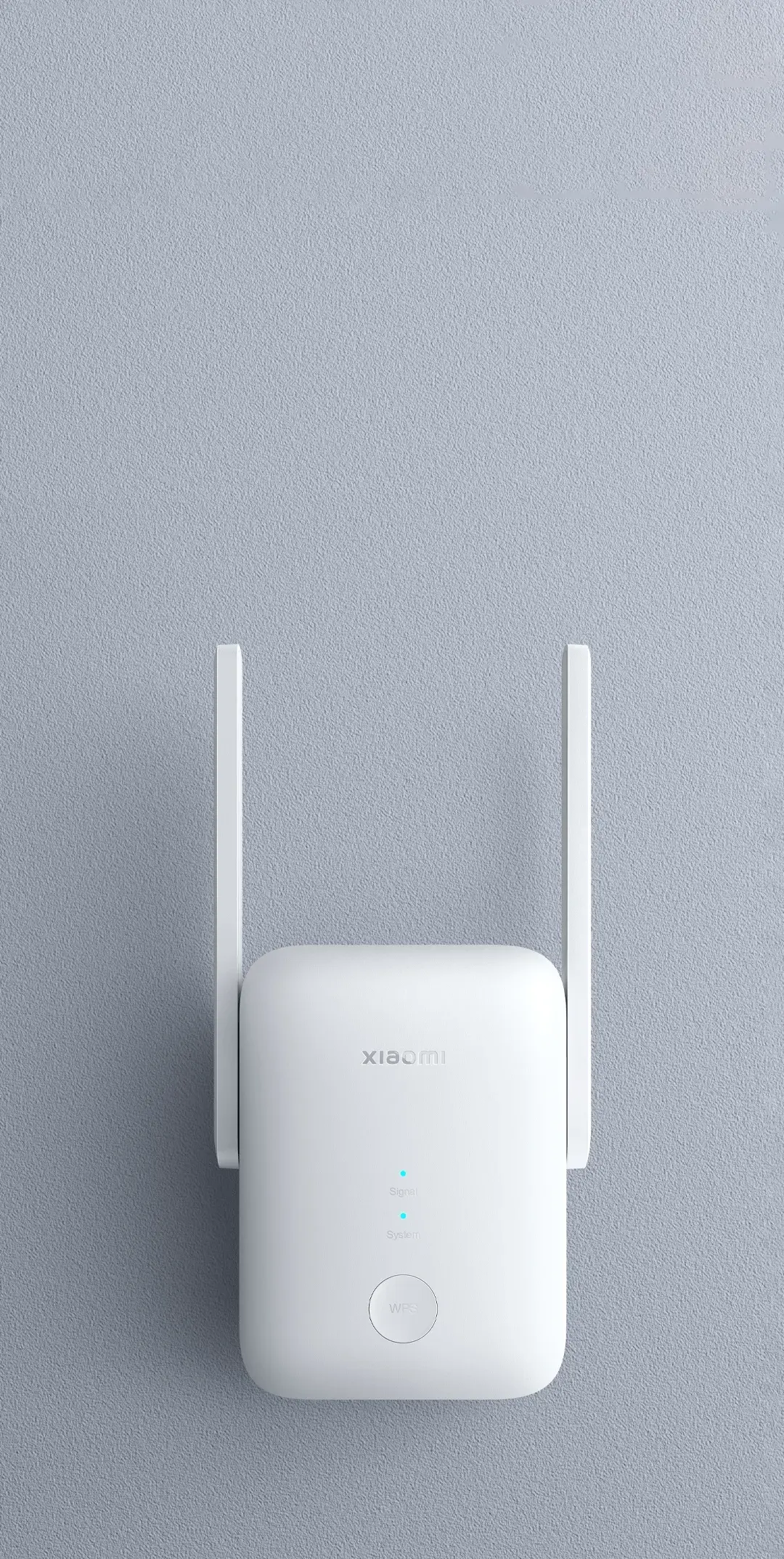
Repeater extenderscatch the WiFi signal from your router. They boost it to reach far places. They work well for one or two floors but may slow down speed. Walls and floors can weaken the signal.
Mesh WiFi systemsuse many devices around your home. They create one big WiFi network. This helps cover multiple floors with a strong signal. You can move around without losing connection. Mesh is good for large homes.
Powerline adaptersuse your home’s electrical wiring. They send internet through the wires to other floors. You plug one adapter near the router and another where you want WiFi. It gives a stable connection but depends on wiring quality.
Performance Of Extenders Across Floors
Long range WiFi extenderscan reach multiple floors, but signal strength drops with distance. Walls and floors block signals, making coverage weaker on upper or lower levels.
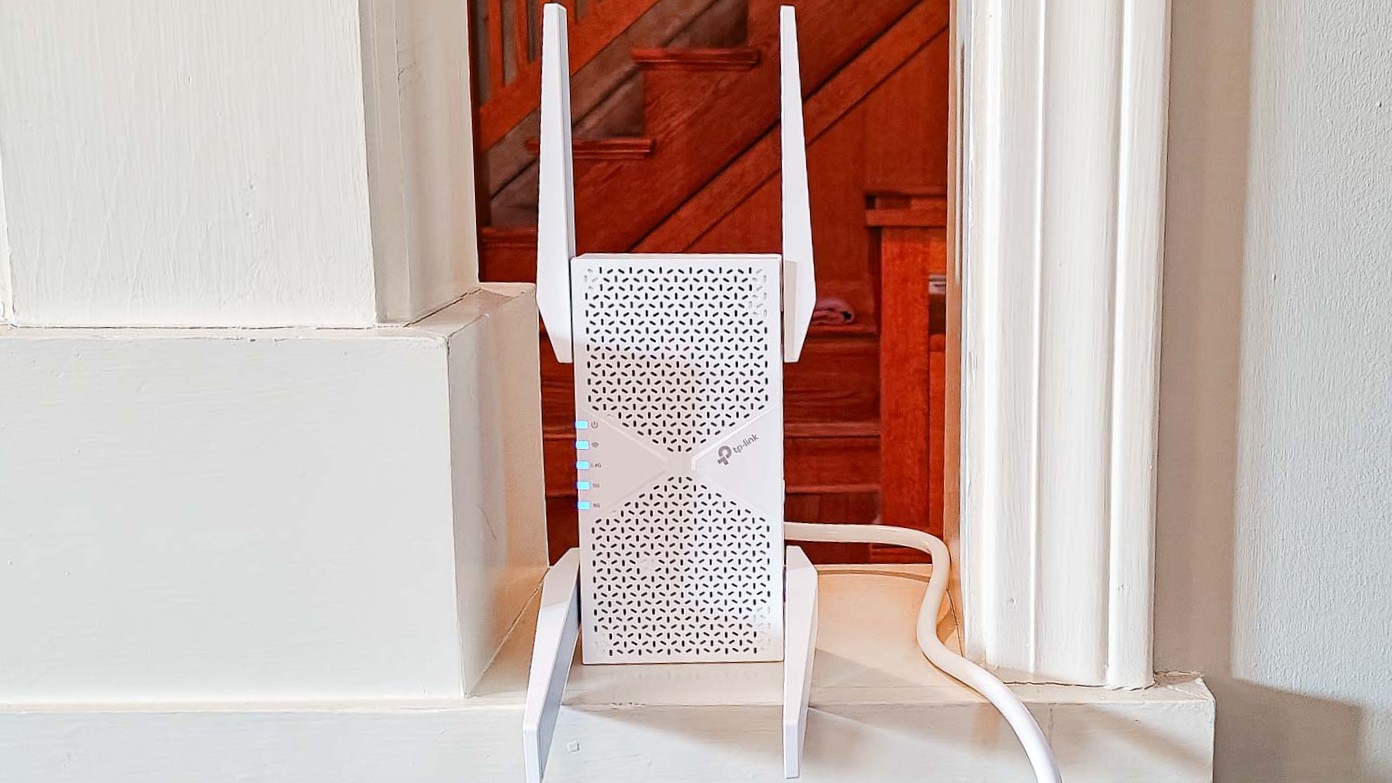
Extenders work best near staircases or open spaces. Placing them centrally helps cover different floors more evenly. Thick walls or metal structures reduce signal quality.
| Floor Level | Signal Coverage | Speed and Latency |
|---|---|---|
| Same Floor | Strong and stable | High speed, low latency |
| One Floor Above/Below | Moderate strength | Good speed, slightly higher latency |
| Two or More Floors Away | Weak or spotty | Lower speed, higher latency |
Speed slows and latency rises with distance and obstacles. Extenders can help but won’t fully match the main router’s speed far away.
Credit: www.mi.com
Placement Tips For Multi-floor Coverage
Place extenders near stairwells or open areas. This helps signals travel between floors easily. Avoid putting extenders in basements or closed rooms. Walls and furniture block WiFi signals a lot.
Keep extenders away from microwaves, cordless phones, and thick walls. These cause interferenceand slow down WiFi speed. Metal objects also weaken the signal.
- Choose spots with less clutter and open space.
- Keep extenders at mid-level height, not too low or high.
- Use a central location on each floor for better coverage.
Limitations Of Long Range Extenders
Long range wifi extendersoften face bandwidth reductionissues. The signal weakens as it passes through walls or floors. This leads to slower internet speedson upper or lower floors. Extenders repeat the signal, but that halves the bandwidth each time. This can cause bufferingor lagduring video calls or streaming.
Compatibility issuesalso limit performance. Some extenders may not work well with all routers. Different brands and models can cause connection problems. Not all devices support the same wifi standards. Older routers may not pair well with newer extenders. This can result in unstable connectionsor dropouts.
Alternative Solutions For Multi-floor Wifi
Long range WiFi extenders can boost signals across multiple floors but may face obstacles like walls and floors. Alternative solutions include mesh networks or wired access points for better coverage and stability. Each option suits different home layouts and internet needs.
Upgrading Routers
New routersoften have better range and speed. They use advanced technologyto cover many floors. A router with strong antennascan send signals farther and through walls. This helps reduce dead spotsin your home.
Using Wired Backhaul
Wired backhaulconnects devices with cables instead of WiFi. This makes the network more stableand faster. It helps when wireless signals are weak between floors. Ethernet cables or powerline adapters are good options for this.
Professional Wifi Design
Expertscan plan your home’s WiFi layout. They check where signals are weak. Then, they suggest the best spots for devices. This makes sure your WiFi works well on all floors.
Choosing The Right Extender For Your Home
Understanding the size and layoutof your home is key. Walls, floors, and furniture can block signals. Long range WiFi extenders work best in open spaces. For multiple floors, check if the extender supports vertical coverage.
Balancing budget and performanceis important. Higher-end models offer better range and speed but cost more. Cheaper extenders might save money but could have weaker signals on other floors.
| Factor | Low Budget Extenders | High Budget Extenders |
|---|---|---|
| Price | Under $50 | $100 and above |
| Range | Limited, may not cover all floors | Wide, covers multiple floors |
| Speed | Slower, possible lag | Faster, good for streaming |
| Installation | Simple but less options | More features, easy setup |
Credit: www.tomsguide.com
Frequently Asked Questions
Can Long Range Wifi Extenders Cover Multiple Floors Effectively?
Yes, long range WiFi extenders can cover multiple floors. Their signal strength helps bypass walls and obstacles. However, performance depends on building materials and extender placement. Proper setup ensures better multi-floor coverage and stable connectivity throughout your home or office.
How Do Wifi Extenders Improve Multi-floor Signal Strength?
WiFi extenders boost the router’s signal and retransmit it. This helps reach distant floors with weak signals. Extenders placed strategically reduce dead zones. They increase coverage range and improve overall network performance across different floors.
Are There Limitations To Wifi Extenders On Multiple Floors?
Yes, thick walls and metal structures can weaken signals. Extenders may face reduced speed due to distance. Interference from other devices affects performance. Proper placement and choosing quality extenders help minimize these limitations for better multi-floor coverage.
What Factors Affect Wifi Extender Performance Across Floors?
Building materials, distance from the router, and interference impact performance. Concrete and metal block signals more than wood or drywall. Extender quality and placement are crucial. Minimizing obstacles and choosing extenders with strong antennas improve multi-floor WiFi strength.
Conclusion
Long range WiFi extenders can work across multiple floors. Walls and floors may reduce signal strength sometimes. Placement of the extender matters a lot for good coverage. Choosing the right device depends on your home size and layout. Regular testing helps find the best spot for the extender.
A good extender can improve your WiFi reach and speed. Keep your network devices updated for the best performance. WiFi extenders provide a simple way to boost home internet.