Are you struggling with weak WiFi signals far from your router? You might be wondering if a long range WiFi extender can work without a router at all.
Imagine boosting your internet connection exactly where you need it, without the hassle of extra devices or complicated setups. You’ll discover the truth about how these extenders really work and whether you can rely on them without having a router nearby.
Keep reading—you’re about to unlock the secrets to stronger, wider WiFi coverage in your home or office.

Credit: www.amazon.ca
How Long Range Wifi Extenders Work
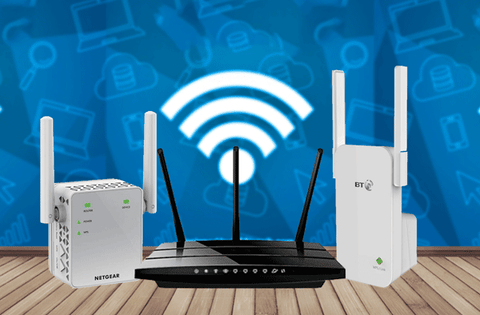
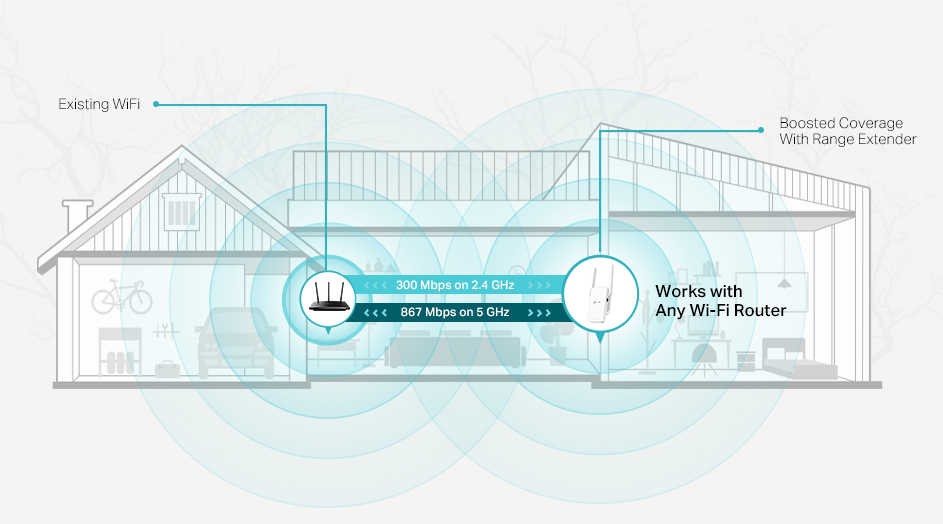
Long range WiFi extendersboost the signal from your main router. They catch the WiFi signal and send it further. This helps cover large areas with better internet.
Extenders need a routerto get the original signal. Without a router, extenders cannot create a WiFi network. They only work by repeating the signal they receive.
The signal amplification processworks like this:
- The extender receives the wireless signal from the router.
- It strengthens or amplifies the signal.
- The extender sends the stronger signal to places far from the router.
This process helps reduce weak signals or dead zones in your home or office.
Role Of The Router In Wifi Extending
Wifi extendersneed a routerto work properly. The router sends the main wifi signal. Extenders capture this signal and boost it to reach farther places.
Without a router, extenders have nothing to repeat. They cannot create a new wifi signal on their own. They depend on the router’s signalto function.
- Router acts as the primary sourceof wifi.
- Extenders repeator amplifythe router’s signal.
- Extenders cannot work independentlywithout a router.
Can Extenders Function Independently?
Wifi extendersneed a router to work properly. They catch the signal from the main router and spread it further. Without a router, there is no original signal to extend. This means the extender cannot create a wifi network by itself.
Extenders have technical limits. They do not have built-in modems or internet sources. Their job is only to boost the existing wifi signal. Without a router or modem, the extender cannot connect devices to the internet.
Some extenders offer alternative modes, like access point mode. In this mode, the extender connects to the router with a cable and creates a new wifi network. But it still needs a router or modem to supply internet.
- Extenders cannot work as standalone routers.
- They rely on a router to get the internet signal.
- Access point mode requires a wired connection to the router.
Credit: www.signalbooster.com
Scenarios Without A Router
Long range WiFi extenders usually need a router to work well. Without one, they have limits but can still help. In ad-hoc networks, extenders connect devices directly. This means devices talk to each other without a central router.
Using extenders with mobile hotspots is another option. Mobile hotspots act like small routers. Extenders boost the hotspot’s signal. This can help cover larger areas with internet.
- Ad-hoc networks allow direct device connection.
- Extenders can boost signals in small, local setups.
- Mobile hotspots provide internet without a fixed router.
- Extenders increase the reach of mobile hotspot signals.
Choosing The Right Extender Setup
Assessing your network needshelps pick the best extender setup. Check the size of the area where you need WiFi. Large homes or offices need extenders with long-range capabilities. Think about the number of devices that will connect at once. More devices may require a stronger extender with better speed support.
Compatibility considerationsare key. Make sure the extender works with your existing router model and WiFi standards. Some extenders only support certain frequency bands like 2.4 GHz or 5 GHz. Choose one that matches your router’s bands for better performance. Also, check if the extender supports the latest WiFi protocols for faster and more stable connections.
Troubleshooting Common Issues
Long range WiFi extenders need a router to work properly. Without a router, they cannot connect to the internet. Troubleshoot by ensuring the extender links correctly to your main router.
Connection Problems
Long range WiFi extendersusually need a router to work properly. Without a router, the extender cannot create a new WiFi signal. This often causes connection problems. The extender must connect to a main WiFi network to repeat the signal. If no router or main network exists, the extender has nothing to boost.
Check if the extender is correctly linkedto your router. Also, verify the extender is within the router’s signal range. Too far away? The extender may lose the connection.
Signal Interference
- Objects like walls and metal block WiFi signals.
- Microwaves and cordless phones cause interference.
- Other WiFi networks nearby can slow your connection.
- Try to place the extender in an open space.
- Keep it away from large electronic devices.
Credit: www.tp-link.com
Frequently Asked Questions
Do Long Range Wifi Extenders Need A Router?
Long range WiFi extenders typically require a router to function properly. They work by extending the signal from your existing router. Without a router, they cannot receive an initial signal to boost. However, some extenders can act as access points, creating a new WiFi network with a wired connection.
Can A Wifi Extender Replace A Router?
A WiFi extender cannot replace a router. It is designed to amplify the existing WiFi signal from your router. Without a router, there is no initial signal to extend. Extenders enhance coverage but do not provide routing capabilities or internet connection without a router.
How Do Wifi Extenders Connect To Devices?
WiFi extenders connect to devices by creating a new network. This network is an extension of your router’s signal. Devices can connect to this network for improved coverage. Extenders act as a bridge, ensuring stronger WiFi in areas with weak signals.
Can Wifi Extenders Improve Internet Speed?
WiFi extenders improve signal coverage, not internet speed. They reduce dead zones by amplifying the existing signal. Speed depends on the original network and internet plan. While extenders enhance coverage, they can’t exceed the speed provided by your router or internet service provider.
Conclusion
Long range WiFi extenders need a router to work properly. They cannot create a network on their own. Extenders only boost the signal from an existing router. Without a router, they have no source to extend. Choosing the right extender depends on your current router and space size.
Understanding this helps you set up better WiFi at home. Good WiFi coverage means fewer dead spots and better internet. Always check compatibility before buying a WiFi extender for smooth use.