Are you tired of losing WiFi signal when you step outside to your backyard or patio? Imagine streaming your favorite music, video chatting with friends, or even working outdoors without any frustrating interruptions.
But can mesh WiFi really cover these outdoor spaces effectively? If you’ve been wondering how to get strong, reliable internet beyond your walls, this article is for you. Keep reading to discover how mesh WiFi can transform your outdoor experience and what you need to know to make it work perfectly for your backyard and patio.

Credit: basic-tutorials.com
Mesh Wifi Basics
Mesh wifi is a system that spreads internet over large areas. It uses multiple devices to make a strong wifi signal.
This system helps cover places where regular routers cannot reach well. It is good for backyards and patios.
How Mesh Wifi Works
Mesh wifi has several nodes or points that connect with each other. These points share the internet signal around your home and yard.
Each node sends the signal to the next one, creating a network. This helps cover big or tricky spaces like backyards and patios.
Key Components
A mesh wifi system has main parts that work together. These parts help spread wifi smoothly and reliably.
- Main Router:Connects to your internet source.
- Satellite Nodes:Spread the wifi signal to far areas.
- App or Interface:Helps you set up and manage the system.
Benefits Over Traditional Routers
Mesh wifi is better than traditional routers for large or outdoor spaces. It fixes common wifi problems.
- Better coverage for backyards and patios
- Smoother signal with fewer dead spots
- Easy to add more nodes for bigger areas
- Automatic connection to the strongest node

Credit: www.youtube.com
Factors Affecting Backyard Coverage
Mesh WiFi can help cover your backyard and patio, but some things affect how well it works. Signal strength and distance play big roles.
Other challenges come from obstacles and the outdoor environment. Understanding these can improve your WiFi coverage outside.
Distance And Signal Strength
The farther your device is from the mesh WiFi node, the weaker the signal gets. This can cause slow internet or dropped connections.
Mesh WiFi nodes should be placed close enough to keep strong signals. Large backyards may need more nodes for good coverage.
- Strong signal means faster speeds
- Distance reduces signal power
- More nodes improve coverage area
Obstacles And Interference
Walls, fences, and trees can block or weaken WiFi signals in your backyard. Metal and thick materials cause more problems.
Other devices like microwaves and cordless phones create interference. This can slow down your WiFi or cause interruptions.
- Wood fences block less signal than metal
- Glass and water reduce WiFi strength
- Electronic devices cause signal noise
Outdoor Environment Challenges
Weather conditions like rain or fog can lower WiFi signal quality outdoors. Sunlight and temperature changes also affect performance.
Outdoor mesh WiFi devices need to be weatherproof. Proper placement and protection help keep the network strong in all seasons.
- Rain and fog weaken signals
- Extreme heat or cold affects devices
- Use weatherproof mesh units outdoors
Optimizing Mesh Wifi For Outdoor Areas
Mesh wifi can cover outdoor spaces like backyards and patios. Proper setup helps keep your connection strong outside.
Understanding node placement and equipment types improves outdoor wifi performance. This guide covers key tips.
Ideal Node Placement
Place mesh nodes close to outdoor areas but inside your home or near windows. Nodes should have a clear signal path to each other.
- Keep nodes 30 to 50 feet apart for best coverage
- Avoid physical obstacles like walls or large metal objects
- Place nodes higher off the ground for better range
- Check signal strength with your mesh system’s app
Using Outdoor Mesh Nodes
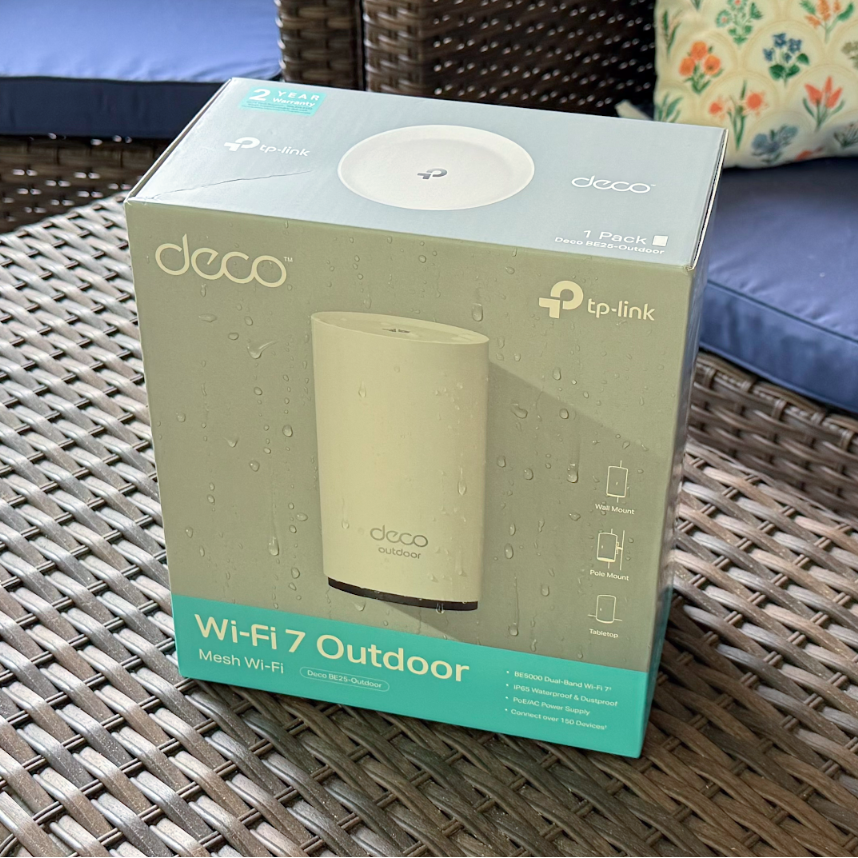
Outdoor mesh nodes are built to resist weather and provide strong signals outside. They connect wirelessly to indoor nodes.
| Feature | Benefit |
| Weatherproof casing | Works in rain and sun |
| Stronger antennas | Better outdoor coverage |
| Easy mounting options | Install on walls or poles |
| Wireless backhaul | No extra cables needed |
Enhancing Signal With Extenders
Wifi extenders boost signal strength in weak areas. Use them to fill gaps in your outdoor coverage.
- Place extenders halfway between the router and the outdoor area
- Choose extenders compatible with your mesh system
- Use extenders with Ethernet ports for stable connections
- Check extender placement often for best results
Choosing The Right Mesh System
Mesh WiFi systems can help cover your backyard and patio with a strong signal. Picking the right system is important for good coverage and performance. You need to think about area size, weather, and how the system grows with your needs.
Not all mesh systems work the same outside. Some are better for large spaces or harsh weather. This guide will help you choose the right system for your outdoor areas.
Coverage Area Specifications
Look at how much space the mesh system can cover. Each system has a limit on the square feet it reaches. Backyard and patio sizes vary, so pick a system that fits your space.
Check the range of each mesh unit. Some models cover larger areas with fewer units. This can save money and make setup easier.
- Know your backyard and patio size in square feet
- Choose units with strong range for outdoor use
- More units may be needed for very large areas
Weather-resistant Features
Outdoor mesh units must handle rain, sun, and wind. Look for weather-resistant or waterproof designs. This keeps your system working well through all seasons.
Some mesh devices have special coatings to protect from dust and moisture. These features improve durability and reduce damage risk.
- Waterproof or water-resistant casing
- UV protection to avoid sun damage
- Dustproof design for dusty environments
Compatibility And Scalability
Make sure the mesh system works with your current WiFi router or modem. Some systems only work well with certain brands or types.
Choose a system that lets you add more units later. This helps if you expand your outdoor space or want better coverage.
- Check if the mesh works with your existing router
- Look for easy setup with multiple units
- Pick systems that support adding more nodes
Testing And Troubleshooting Coverage
Mesh WiFi can extend your network outdoors to your backyard and patio. Testing the coverage helps you see where the signal is strong or weak. Troubleshooting fixes common issues to improve your connection.
Knowing how to test and fix coverage problems ensures your mesh WiFi works well outside. This guide explains how to check signal strength, find common issues, and use tools for assessment.
Measuring Signal Strength Outdoors
Measuring signal strength outdoors shows how far your mesh WiFi reaches. You can check the signal in different areas of your backyard and patio. This helps find spots with weak or no connection.
Use a device like a smartphone or laptop to test the WiFi signal. Walk around the outdoor area while watching the signal bars or using an app to measure the strength.
- Check signal near mesh nodes and far from them
- Note areas with low or no signal
- Test at different times of day for consistency
Common Issues And Fixes
Some problems can reduce mesh WiFi coverage in your backyard and patio. Walls, trees, and metal objects can block signals. Weather and distance also affect coverage.
Fixes include moving mesh nodes to better spots and removing obstacles if possible. Make sure nodes have power and are updated with the latest software.
- Move nodes closer to weak signal areas
- Remove or reduce obstacles blocking signals
- Restart nodes to refresh connections
- Update mesh system firmware regularly
Tools And Apps For Assessment
Many tools and apps can help check outdoor WiFi coverage. These apps show signal strength, speed, and dead zones. They help you find the best places for mesh nodes.
- WiFi Analyzer apps show signal bars and channels
- Speed test apps measure internet speed outside
- Heatmap tools create visual maps of coverage areas
- Mesh system apps often include built-in testing features
Additional Tips For Backyard Wifi
Expanding wifi to your backyard and patio can improve your outdoor experience. Here are some tips to ensure a strong and secure connection outside.
Consider the placement of your mesh wifi nodes for optimal coverage. Outdoor areas can have obstacles like walls or trees.
Securing Your Outdoor Network
Keeping your network secure is important. Use strong passwords for your wifi network. Change them regularly to keep intruders away.
Enable network encryption to protect data. WPA3 is the newest and most secure option available.
- Use a guest network for visitors
- Turn off network when not in use
- Regularly update firmware
Power Solutions For Outdoor Nodes
Outdoor nodes need reliable power. Place nodes near power outlets to avoid extension cords.
Consider solar-powered options if outlets are not available. This can be eco-friendly and convenient.
- Use weatherproof covers for safety
- Check power supply regularly
- Secure cables to prevent damage
Maintaining Performance Over Time
Regular maintenance keeps your network strong. Monitor signal strength and adjust node positions if needed.
Clean your devices to remove dust or debris. This helps in maintaining optimal performance.
- Schedule regular system checks
- Update software for best features
- Replace outdated equipment
Credit: www.tomshardware.com
Frequently Asked Questions
Can Mesh Wifi Extend Coverage To Backyard Areas?
Yes, mesh WiFi systems can extend coverage to backyards. They use multiple nodes to eliminate dead zones. Placement of nodes outdoors improves signal strength. This ensures reliable internet access in outdoor spaces like patios and gardens.
How Effective Is Mesh Wifi On Patios?
Mesh WiFi works well on patios if nodes are properly placed. Outdoor-friendly nodes or placing nodes near windows help. This setup reduces interference and boosts signal clarity. Patios can enjoy stable WiFi for streaming, calls, and smart devices.
Do Weather Conditions Affect Mesh Wifi Outdoors?
Yes, weather can impact mesh WiFi performance outdoors. Rain, thick walls, and metal objects can weaken signals. Using weather-resistant nodes and optimal positioning minimizes these effects. Regular maintenance helps maintain consistent outdoor coverage despite weather changes.
Is It Safe To Install Mesh Wifi Devices Outside?
Outdoor mesh WiFi nodes are designed to be weatherproof and safe. They withstand rain, heat, and dust. Proper installation ensures durability and consistent performance. Always follow manufacturer guidelines for safe outdoor use.
Conclusion
Mesh WiFi can extend your internet to backyard and patio areas. Strong signals depend on router placement and outdoor obstacles. Adding extra mesh points often helps cover larger outdoor spaces. Keep devices away from thick walls or metal objects for better range.
Simple steps improve your outdoor WiFi experience. Enjoy streaming, browsing, or working outside without interruptions. Mesh WiFi offers a flexible solution for outdoor coverage. It makes staying connected in your yard easy and reliable.