Are you tired of losing WiFi signal the moment you step outside? Whether you’re working in the garden, hosting a backyard party, or simply relaxing on your porch, a strong and reliable connection can make all the difference.
But can mesh WiFi systems really cover your outdoor areas without dropping speed or leaving dead zones? If you want to enjoy seamless internet beyond your walls, keep reading. You’ll discover how mesh WiFi works outdoors and what it takes to get the best coverage for your space.
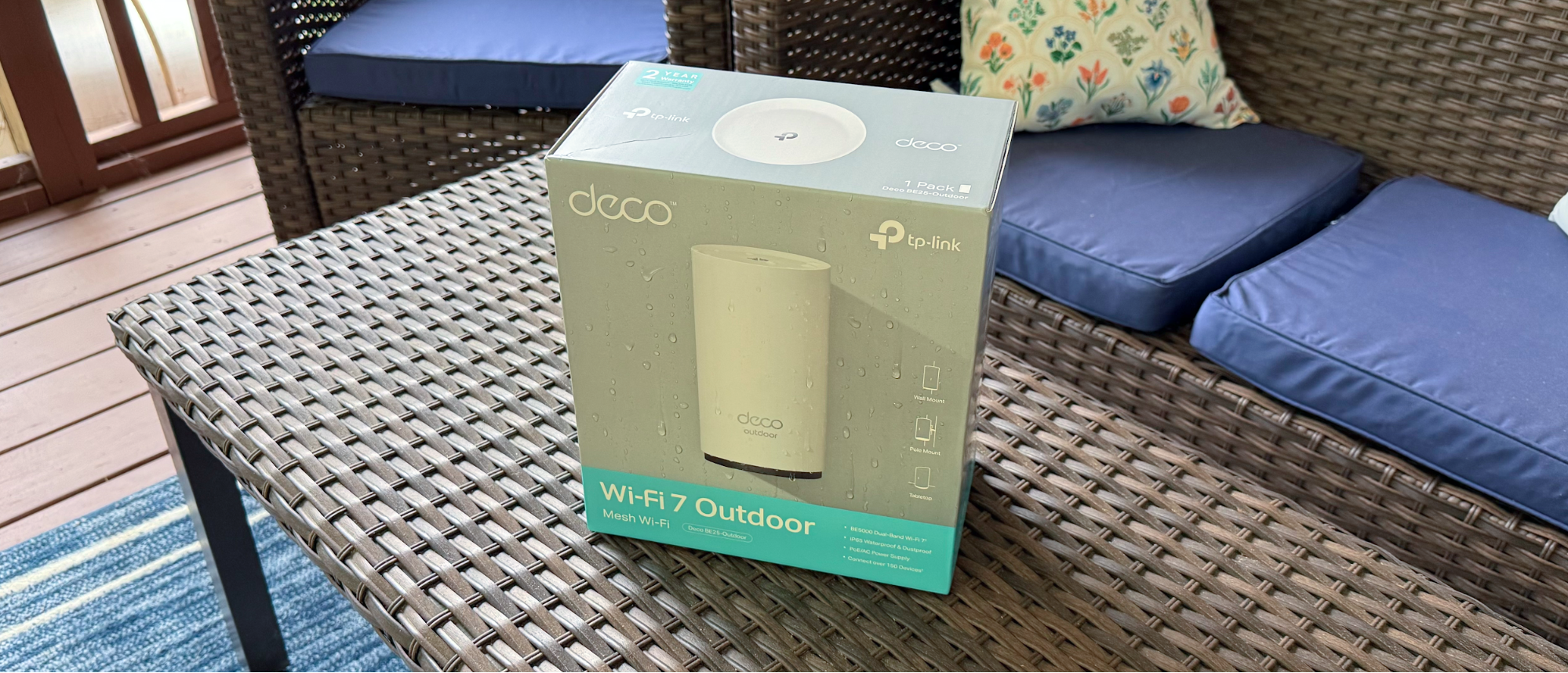
Credit: www.tomshardware.com
Mesh Wifi Basics
Mesh wifi is a way to spread wireless internet over a large area. It uses several devices that work together. This helps you get a strong signal everywhere.
Many people wonder if mesh wifi can cover outdoor areas. To understand this, you first need to know how mesh systems work and what parts they have.
How Mesh Systems Work
Mesh systems use multiple devices called nodes. These nodes connect to each other to share the internet signal. One node connects to your modem, and the others spread the signal around.
- Each node talks to the others to find the best path for data.
- Nodes work together to cover dead zones where wifi is weak.
- If one node fails, others keep the network working without interruption.
- Devices connect to the closest node for the best speed.
Components Of Mesh Networks
Mesh networks have several key parts. Each part plays a role to make the network strong and reliable.
| Component | Function |
| Router Node | Connects to the internet modem and controls the network |
| Satellite Nodes | Spread the wifi signal to wider areas |
| Backhaul Connection | Links nodes to each other, either wireless or wired |
| Client Devices | Phones, laptops, and other devices that use the wifi |

Credit: basic-tutorials.com
Outdoor Coverage Challenges
Mesh WiFi systems help extend internet coverage. Outdoor areas can be hard to cover well.
Many things can affect the signal strength and quality outside. Understanding these helps improve coverage.
Signal Interference Factors
Wireless signals face interference from many sources. These reduce the signal quality and range.
- Other WiFi networks nearby
- Bluetooth devices and cordless phones
- Microwave ovens and baby monitors
- Weather conditions like rain and wind
- Electrical equipment and power lines
Obstacles Affecting Wifi Range
Physical barriers block or weaken WiFi signals outdoors. Materials and distance matter a lot.
| Obstacle | Effect on Signal |
| Walls (brick, stone) | Strongly weaken the signal |
| Trees and leaves | Partially block and absorb signals |
| Metal fences and poles | Reflect and block signals |
| Distance from router | Signal gets weaker with distance |
| Water surfaces | Absorb signals and reduce range |
Mesh Wifi For Outdoor Spaces
Mesh wifi can extend your internet beyond indoor walls. It helps keep your connection strong in yards and gardens.
Many people wonder if mesh wifi works well outdoors. This guide explains how to cover outdoor areas with mesh wifi.
Extending Network Beyond Walls
Outdoor wifi needs good placement of mesh nodes. Walls and trees can block signals, so nodes must be closer.
- Place mesh nodes near windows or doors facing outdoors.
- Use weatherproof mesh units for outside use.
- Try to avoid thick walls or metal objects between nodes.
- Test signal strength in different outdoor spots.
- Consider higher antennas for wider coverage.
Recommended Mesh Devices For Outdoors
Some mesh devices are built for outdoor use. They resist weather and keep a steady connection.
| Device | Weatherproof | Range | Features |
| Outdoor Mesh Pro | Yes | 200 meters | High gain antennas, waterproof |
| Garden Wifi Max | Yes | 150 meters | Easy setup, UV resistant |
| Mesh Home Outdoor | Yes | 180 meters | Dual band, strong signal |
| Standard Indoor Mesh | No | 80 meters | Basic coverage, not for rain |

Credit: www.youtube.com
Installation Tips For Outdoor Mesh
Mesh WiFi can cover outdoor spaces well. You need the right setup for the best signal.
Good installation helps keep the network strong and reliable outside your home.
Optimal Node Placement
Place nodes where the signal can travel easily. Avoid thick walls or metal objects.
Higher positions like poles or walls work better than ground level spots.
- Space nodes evenly for wide coverage
- Keep nodes in open air, not hidden
- Test signal strength before final placement
- Use extra nodes for large or complex areas
Weatherproofing Considerations
Outdoor mesh devices must resist rain, wind, and sun. Check their weatherproof ratings.
Use covers or enclosures to protect devices from harsh weather and dirt.
- Choose mesh units with IP65 or higher rating
- Seal cable connections with waterproof tape
- Mount nodes securely to avoid damage in wind
- Inspect devices regularly for weather damage
Performance Optimization
Mesh WiFi systems can extend coverage to outdoor areas. This ensures seamless connectivity throughout your property.
Optimizing performance is key for a reliable connection. There are several ways to enhance your mesh WiFi’s efficiency.
Managing Bandwidth Usage
Limiting bandwidth usage helps maintain speed. This ensures all devices get a fair share of the network.
Set usage limits for devices that consume a lot of data. This prevents slowdowns when multiple devices are online.
- Use Quality of Service (QoS) settings
- Prioritize essential devices
- Monitor bandwidth with apps
Using External Antennas
External antennas can boost your WiFi signal. They help extend coverage to hard-to-reach outdoor areas.
Adjust the antenna positions for optimal performance. Place antennas higher for better range.
- Choose antennas compatible with your router
- Experiment with different placements
- Consider directional antennas for targeted coverage
Alternatives To Mesh Wifi Outdoors
Mesh wifi is popular for indoor use. It helps cover large houses with strong signals.
For outdoor areas, mesh wifi may not always be the best choice. Other devices can work better outside.
Traditional Wifi Extenders
Wifi extenders catch your main wifi signal. They then send it farther to cover outdoor areas.
Extenders are easy to set up and cost less than mesh systems. They work well for small yards or patios.
- Plug into a power outlet near the outdoor area
- Repeat your existing wifi signal to extend range
- May have slower speeds due to signal repeating
- Best for areas not too far from the main router
Point-to-point Wireless Bridges
Wireless bridges connect two separate locations with a strong wifi link. They use special antennas to send signals.
These bridges work well for big outdoor spaces or buildings far from the main router. They create a direct path for data.
- Use directional antennas to focus the signal
- Can cover long distances, even across yards or streets
- Provide fast and stable connections outdoors
- Need clear line of sight between antennas
Cost And Maintenance
Mesh WiFi systems are a popular choice for extending internet coverage. They can cover outdoor areas too. There are costs and maintenance tasks to consider.
Understanding these will help in keeping your system efficient. It’s important to budget and maintain your mesh WiFi properly.
Budgeting For Outdoor Coverage
Outdoor mesh WiFi systems can be costly. You need to plan your budget carefully. Consider the size of the area you want to cover.
The number of nodes and the brand you choose will affect the cost. Look for systems that suit your needs without breaking the bank.
- Check the number of devices you need
- Compare different brands and models
- Consider installation and setup costs
Routine Checks And Updates
Maintaining your outdoor mesh WiFi is crucial. Regular checks help ensure it runs smoothly. You should also keep the system updated.
Check for software updates from the manufacturer. These updates fix bugs and improve performance. Make sure the hardware is protected from weather.
- Check for software updates monthly
- Inspect hardware for weather damage
- Ensure all nodes are connected properly
Frequently Asked Questions
Can Mesh Wifi Systems Cover Outdoor Areas Effectively?
Mesh WiFi can extend coverage outdoors but depends on router placement and obstacles. Outdoor coverage may require additional access points or weatherproof units for better signal strength and reliability.
How Far Can Mesh Wifi Reach Outside?
Outdoor mesh WiFi range varies, typically covering 100-200 feet per node. Walls, trees, and interference can reduce range, so positioning nodes strategically outdoors is essential for optimal coverage.
Do Mesh Wifi Routers Work Better Outdoors Than Traditional Routers?
Yes, mesh WiFi routers often perform better outdoors by creating a network of nodes. This network reduces dead zones and improves signal stability compared to single traditional routers.
What Factors Affect Mesh Wifi Outdoor Coverage?
Outdoor coverage depends on node placement, physical obstructions, interference from other devices, and weather conditions. Proper planning and use of outdoor-rated mesh nodes enhance signal quality outside.
Conclusion
Mesh WiFi can extend your internet outdoors effectively. It helps cover yards, patios, and gardens with strong signals. Placement of nodes is important for best coverage. Walls and trees might block the signal sometimes. Choosing the right system makes a big difference.
Outdoor use needs weather-resistant devices or protection. Mesh WiFi is a good option for wider coverage. You can enjoy reliable internet outside your home easily. Consider your outdoor space size before buying a system. Mesh networks offer a flexible way to stay connected everywhere.