You rely on your outdoor WiFi extender to keep you connected no matter where you are in your yard. But what happens when heavy rain hits?
Can your device still deliver a strong, stable signal, or will the storm disrupt your internet and leave you frustrated? Understanding how outdoor WiFi extenders perform in bad weather is crucial if you want to avoid unexpected connectivity drops. Keep reading to discover how rain affects your WiFi extender and what you can do to protect your connection during those heavy downpours.

Credit: www.amazon.co.uk
Outdoor Wifi Extenders Basics
Outdoor WiFi extendersboost the signal from your main router. They catch the WiFi signal and send it farther outside your home or building. This helps cover large areas where the main router’s signal is weak or blocked.
These devices often use high-gain antennasand powerful amplifiers to reach distant spots. They work best when placed in open spaces with a clear line of sight.
- Weatherproof casing protects the device from rain and dust.
- Dual-band support allows connection on 2.4 GHz and 5 GHz frequencies.
- Easy installation with wall mounts or poles.
- Energy-efficient designs to save power.
- LED indicators show signal strength and device status.

Credit: www.youtube.com
Weather Challenges For Wifi Extenders
Heavy raincan weaken outdoor WiFi signals. Water droplets absorb and scatter radio waves. This causes a drop in signal strength and slower internet speeds. Rain can also create noise that interferes with WiFi signals.
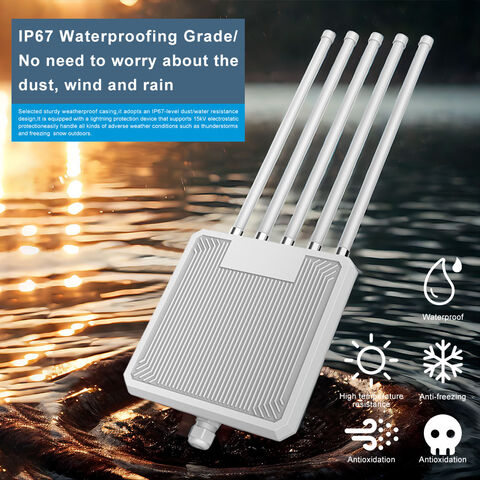
Outdoor WiFi extenders with good waterproof ratingscan resist rain. Look for devices with an IP65 or higherrating. This means the device is protected against water jets and dust. Proper casing helps keep the electronics safe and working well.
| Waterproof Rating | Protection Level | Effect on Extender |
|---|---|---|
| IP44 | Protected from splashing water | Basic rain protection, limited durability |
| IP65 | Protected against water jets | Good for heavy rain and outdoor use |
| IP67 | Waterproof up to 1 meter | Excellent for wet conditions |
Durability Testing Methods
Simulating heavy rain tests the water resistanceof outdoor WiFi extenders. Devices are placed inside special chambers that spray water in strong, steady flows. This helps check if the extender keeps working during rain without damage.
Performance metrics focus on signal strength, connection stability, and device temperatureduring rain simulation. Data is collected to see if the device loses signal or overheats. These results show how well the extender works in wet weather.
| Metric | What It Measures | Why It Matters |
|---|---|---|
| Signal Strength | WiFi signal power during rain | Shows if rain affects connectivity |
| Connection Stability | How often the connection drops | Ensures steady internet access |
| Device Temperature | Heat levels under wet conditions | Prevents overheating and damage |
Credit: www.globalsources.com
Results Of Heavy Rain Tests
Signal stabilitydrops slightly during heavy rain but stays mostly strong. Outdoor WiFi extenders can keep a steady connection for a short time. Some signal loss happens due to water blocking the waves. Still, devices with good design resist this well.
Physical integrityis crucial for outdoor extenders. Most have waterproof cases and sealed ports to stop rain damage. Strong materials like plastic and rubber protect from water and wind. Units without these features may fail faster in storms.
| Test Aspect | Result |
|---|---|
| Signal Stability | Minor drop, connection mostly stable during heavy rain |
| Physical Integrity | Waterproof casing protects from damage and keeps device working |
Top Rainproof Wifi Extenders
Outdoor WiFi extenders must be rainproofto work well in heavy rain. Look for devices with IP65 or higher rating. This means they resist water and dust.
Other key features include:
- Durable casingto protect internal parts from moisture.
- Strong signal rangeto cover large outdoor areas.
- Easy installationto place them in the best spot.
- Stable connectionthat does not drop in bad weather.
| Feature | Why It Matters |
|---|---|
| IP Rating (e.g., IP65) | Protects against rain and dust |
| Signal Strength | Ensures coverage even in bad weather |
| Build Quality | Keeps device safe from water damage |
| Installation Options | Easy setup in outdoor spaces |
Tips For Maximizing Extender Lifespan
Choose a high place for the wifi extender. It stops water from pooling around it. Use a weatherproof case to protect the device. Secure cables tightly to avoid water damage. Avoid placing the extender near trees or objects that block signal and hold rain.
Clean the extender regularly to remove dirt and dust. Check for cracks or damage to the case after storms. Replace worn cables to keep connections safe. Test the signal strength to ensure good performance. Dry the device if it gets wet to prevent rust.
Frequently Asked Questions
Can Outdoor Wifi Extenders Withstand Heavy Rain?
Yes, most outdoor WiFi extenders are designed to be weather-resistant. They typically come with a durable casing that protects against rain and moisture. However, it’s crucial to check the IP rating for assurance. Proper installation also plays a key role in ensuring longevity and performance during adverse weather conditions.
Do Rainstorms Affect Wifi Extender Performance?
Rainstorms can potentially impact WiFi signals due to water interference. However, quality outdoor extenders are built to minimize such disruptions. They often maintain a strong signal even in heavy rain. For optimal performance, ensure the extender is installed in a location that’s least affected by rain.
What Protection Do Extenders Have Against Rain?
Outdoor WiFi extenders usually come with an IP rating, indicating water resistance. This protects the device from rain and moisture. A higher IP rating means better protection against harsh weather. Additionally, these extenders are often built with durable materials to withstand various environmental conditions.
How To Install Extenders For Rain Protection?
To protect extenders from rain, install them under eaves or in sheltered areas. This minimizes direct exposure to rain. Additionally, ensure all cables and connectors are waterproofed. Proper installation not only enhances protection but also ensures optimal performance during adverse weather conditions.
Conclusion
Outdoor WiFi extenders often work well in heavy rain. They are built to resist water and keep signals strong. Still, very strong storms might cause some signal drops. Choosing good quality extenders helps maintain stable connections. Regular checks and proper installation also improve performance.
Rain won’t always stop your internet completely. So, outdoor WiFi extenders can handle rain better than you think. Staying connected outside is possible, even on wet days.