Are you tired of weak Wi-Fi signals cutting out just when you need them the most while enjoying your backyard or garden? You’re not alone.
Many people face the challenge of maintaining a strong and reliable internet connection outdoors. You might be wondering if outdoor Wi-Fi extenders can solve this problem without the help of a router. Imagine being able to stream your favorite shows, work remotely, or simply browse the web from the comfort of your outdoor space without interruptions.
This blog post will uncover whether outdoor Wi-Fi extenders can truly work without a router. Keep reading to discover the truth and find out how you can enjoy seamless connectivity in every corner of your property.

Credit: simplewifi.com
How Outdoor Wifi Extenders Function
Outdoor WiFi extenders help increase the range of your wireless signal. They catch the WiFi from your router and send it further. This helps cover areas where the WiFi is weak or missing.
The extender needs a strong signal from the routerto work well. It acts like a middleman, passing the internet from the router to far spots. Without a router, the extender has no internet source to boost.
The router is the main device that connects to the internet. It creates the wireless signal that the extender repeats. Without the router, the extender cannot create or share WiFi on its own.
Connectivity Without A Router
Outdoor wifi extenders usually need a routerto work properly. They boost the signal from the router to reach far places. Some devices can connect directlywithout a router, but this is rare and limited.
Direct device connections mean the extender talks to your phone or laptop without a router. This can work for short distances or specific setups like mesh networks. But it often limits speedand coverage.
- Range is much shorter without a router.
- Signal strength may be weaker.
- Connection may drop more often.
- Many extenders do not support direct connections.
Without a router, outdoor wifi extenders face challengesin keeping stable and fast connections. They are not designed to work alone. A router acts as the main source of the internet signal.
Alternative Setup Options
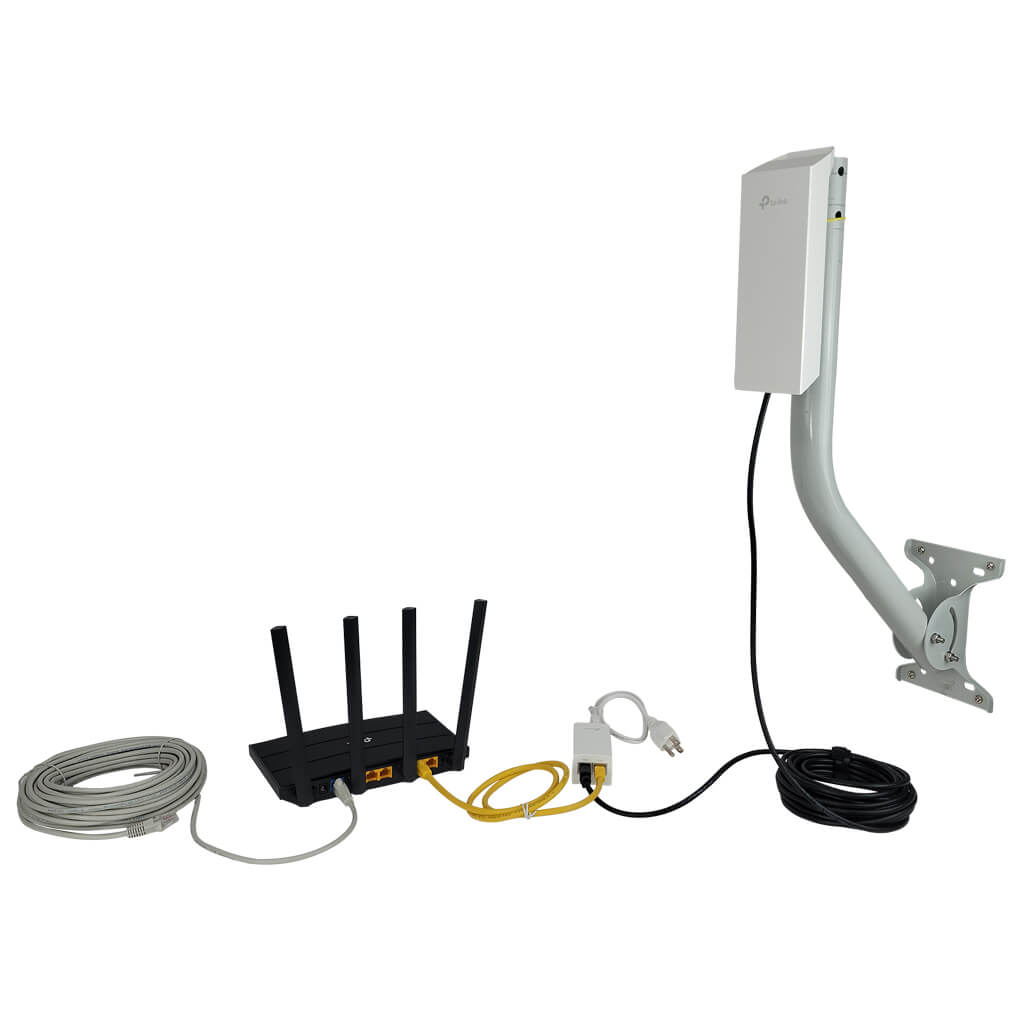
Outdoor WiFi extendersusually need a router to work properly. But some can act as access points. This means they connect directly to a modem or a wired network. They create a new WiFi signal outside without needing a router. This setup can help in places where the router is too far or blocked by walls.
Another option is to use them in a mesh network. Mesh devices connect to each other wirelessly. They share the internet signal smoothly across a large area. This setup does not need a separate router for each extender. The mesh system manages connections and keeps the network strong and stable.
| Setup Type | How It Works | Benefits |
|---|---|---|
| Access Point Mode | Connects to modem or wired network | Creates new WiFi signal without router |
| Mesh Network | Devices connect wirelessly to each other | Wide coverage, stable connection |
Benefits Of Outdoor Wifi Extenders
Outdoor WiFi extendershelp to cover large areas. They boost the WiFi signal far from the main source. This means places like gardens or yards get better internet.
They make the signal strongerand more stable. This reduces spots where the internet is weak or lost. Devices connect better and faster outside.
- Expand WiFi to outdoor spaces
- Reduce dead zones
- Help multiple devices connect easily
- Improve signal strength over longer distances
Common Misconceptions
Outdoor WiFi extenders and repeaters often get mixed up. Both help spread WiFi signals, but their roles differ. Extenderscreate a new network to cover larger areas. Repeaterssimply copy the existing signal to boost it nearby.
Many think extenders work without a router. This is a myth. A router is necessaryto provide the original internet signal. Extenders can only boost or extend the existing signal from the router.
- Extenders need a router to connect to the internet.
- Repeaters do not create new networks; they repeat existing ones.
- Neither device can work alone without a router’s signal.
- Router dependency is key for outdoor WiFi extenders.
Credit: simplewifi.com
Choosing The Right Extender
Choosing the right outdoor WiFi extender depends on a few key features. Look for strong signal range, weather resistance, and easy setup options. The extender must handle outdoor conditions like rain and sun.
Compatibilityis very important. The extender should work well with your existing router’s brand and model. Some extenders only support specific WiFi standards (like 802.11ac or 802.11n). Check if it matches your router’s WiFi type.
| Feature | Why It Matters |
|---|---|
| Signal Range | Ensures WiFi covers your outdoor area fully |
| Weather Resistance | Protects device from rain, dust, and sun |
| WiFi Standard | Matches router for better speed and connection |
| Easy Setup | Helps quick installation and user-friendly use |
Installation Tips For Outdoor Extenders
Place the outdoor wifi extender where it gets a strong signal from the main router. Avoid obstacles like walls or trees that block the signal. Keep it high enough to cover a large area but easy to reach for maintenance.
Make sure the device is weatherproofor housed in a protective case. Rain, sun, and wind can damage electronics over time. Clean the extender regularly to remove dust and debris. Check cables and connections often to keep the signal strong and stable.

Credit: www.youtube.com
Frequently Asked Questions
Can Outdoor Wifi Extenders Work Without A Router?
No, outdoor WiFi extenders need a router to function. They amplify the router’s existing signal to extend coverage. Without a router, they have no signal to boost, making them ineffective.
Do Wifi Extenders Create Their Own Internet Signal?
No, WiFi extenders do not create internet signals. They only repeat or amplify the signal from your router. They rely entirely on your router’s internet connection.
How Do Outdoor Wifi Extenders Connect To A Router?
Outdoor WiFi extenders connect wirelessly or via Ethernet cable to your router. This connection allows them to extend the router’s signal outdoors for better coverage.
Can Outdoor Wifi Extenders Improve Signal Without Internet?
No, WiFi extenders cannot improve signal without internet access. They only extend the existing internet signal from your router. Without internet, they cannot provide connectivity.
Conclusion
Outdoor WiFi extenders need a router to work properly. They connect to the router’s signal and boost it outside. Without a router, these devices cannot create or share internet on their own. For better outdoor coverage, place the extender near the router.
This helps keep the signal strong and stable. Choosing the right extender matters for good WiFi outside your home. Understanding how extenders work helps you make smart decisions. This way, you get reliable internet where you need it most.