Are you struggling with weak WiFi signals inside your home? Imagine the frustration of trying to stream your favorite show or working from your cozy corner, only to be interrupted by endless buffering.
You might be wondering if an outdoor WiFi extender could be your solution—even indoors. It’s a common question, and the answer could surprise you. This article will explore whether using an outdoor WiFi extender inside your home is a smart move or a missed opportunity.
Stay with us as we dive into the advantages, potential drawbacks, and expert tips to boost your indoor connectivity. Your seamless browsing experience might just be a few scrolls away.
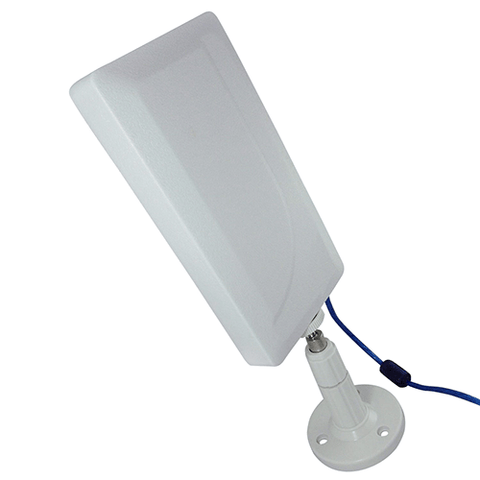
Credit: www.signalbooster.com
Outdoor Wifi Extenders Basics
Outdoor wifi extenders have a strong, weatherproof design. They are made to resist rain, sun, and dust. Indoor extenders focus on compact size and aesthetics. They fit well inside homes without looking bulky.
Outdoor models often have higher power antennas. This helps them cover larger areas outside. Indoor extenders usually have smaller antennas to avoid interference with walls.
| Feature | Outdoor Wifi Extender | Indoor Wifi Extender |
|---|---|---|
| Build | Weatherproof, strong casing | Compact, lightweight |
| Antenna | High power, long range | Smaller, designed for room coverage |
| Use Area | Open spaces, gardens | Rooms, apartments |
| Power Source | Often PoE (Power over Ethernet) | Plug into wall socket |

Credit: www.amazon.co.uk
Indoor Wifi Challenges
Indoor wifi signals face many obstacles. Walls, floors, and furniture block or weaken signals. Thick walls made of brick or concrete are the hardest to pass through. Metal objects reflect wifi waves, causing poor connection.
Many devices create interferenceinside homes. Microwaves, cordless phones, and baby monitors use similar frequencies. These devices cause wifi to slow down or disconnect. Even Bluetooth gadgets can affect signal quality.
- Walls reduce wifi strength.
- Metal reflects signals.
- Microwaves cause interference.
- Cordless phones disrupt connection.
- Bluetooth devices add noise.
Using Outdoor Extenders Indoors
Outdoor WiFi extenders are built tough to handle weather. Using them indoors may work but expect some differences. Their signal strength might be stronger outside than inside. Walls and furniture can block signals more indoors. So, performance may not be as good as outdoor use.
These extenders often have bigger antennas. That helps reach far distances outside. Indoors, that power might cause interference or extra noise. The device might also use more electricity than indoor models.
- Place the extender near a window for better signal.
- Avoid hiding it behind thick walls or metal objects.
- Keep it away from microwaves or cordless phones.
- Use the correct power adapter to avoid damage.
- Check the device’s settings to match your indoor network.
Benefits Of Outdoor Extenders Indoors
An outdoor wifi extender can improve signal rangeinside your home. These extenders are built to cover large areas. This means they can reach rooms far from the router.
Using an outdoor extender indoors can help with weak signals in basements or far rooms. It can connect devices that normally get poor wifi.
| Durability Feature | Benefit Indoors |
|---|---|
| Weather-resistant casing | Long-lasting even in dusty or humid rooms |
| Strong build materials | Less chance of damage from bumps or drops |
| Sealed ports | Protection from indoor dust and dirt |
Potential Drawbacks
Outdoor WiFi extenders often have features made for harsh weather. These can be too much for indoor use. They use more power than indoor models. This can lead to higher electricity billswithout much benefit.
These extenders are usually bulkier and heavier. They may not blend well with indoor decor. This can cause aesthetic concernsin homes or offices. Wires and mounting gear might look messy or out of place.
Alternative Solutions
Indoor extenders are designed to boost WiFi signals inside homes. They work well with indoor routers and provide better coverage in rooms far from the main router. These extenders are easy to install and usually plug into wall outlets. Their small size fits well in any indoor space.
Mesh networks use multiple devices to create one strong WiFi system. Each device, called a node, talks to others and spreads the signal evenly. This setup helps avoid dead zones and keeps speeds steady throughout the house. Mesh systems are simple to set up and manage with apps.
| Solution | Key Features | Best For |
|---|---|---|
| Indoor Extenders | Easy to install, small, boosts signal in rooms | Homes with weak WiFi spots |
| Mesh Networks | Multiple nodes, strong coverage, steady speed | Large houses or multiple floors |
Expert Recommendations
Outdoor WiFi extenders can work indoors but are not always ideal. They are made to resist weather and tough conditions outside. Inside, these extenders may be bulkier and use more power.
Choosing an extender depends on your space and signal needs. Outdoor extenders often have stronger antennas. This can help cover large indoor areas, like big houses or offices.
| Feature | Outdoor Extender | Indoor Extender |
|---|---|---|
| Durability | High (weatherproof) | Normal (not weatherproof) |
| Size | Larger | Compact |
| Power Use | Higher | Lower |
| Signal Range | Longer | Shorter |
- Place the extender near a power outlet for easy access.
- Avoid walls and metal objects that block signals.
- Keep it elevated, like on a shelf or high table.
- Test different spots to find the best signal strength.

Credit: www.amazon.ca
Frequently Asked Questions
Can Outdoor Wifi Extenders Work Effectively Indoors?
Yes, outdoor WiFi extenders can work indoors but may not be optimized. They are built for wider coverage and weather resistance, which might affect indoor performance and aesthetics.
Are Outdoor Wifi Extenders Better Than Indoor Ones?
Outdoor extenders are designed for tough environments and long-range signals. Indoor extenders focus on aesthetics and room coverage. Choose based on your specific coverage needs and location.
Will Using An Outdoor Wifi Extender Indoors Impact Signal Quality?
Using an outdoor extender indoors may cause signal strength variations. It can handle longer distances but might be less efficient in smaller, enclosed spaces compared to indoor models.
Is It Safe To Use Outdoor Wifi Extenders Inside The House?
Yes, it is safe to use outdoor WiFi extenders indoors. They meet safety standards but might consume more power and generate more heat than indoor devices.
Conclusion
Outdoor WiFi extenders can work indoors but may not always perform well. Their design suits open spaces, not walls or tight rooms. Signal strength might weaken inside buildings. Still, they can help cover some indoor dead zones. Placement matters a lot for better results.
Consider your home layout before choosing one. Sometimes, indoor extenders are a better fit. Test different spots to find the best signal. Overall, outdoor extenders indoors can work, but expect mixed results. Choose what fits your needs and space best.