Are you tired of slow Wi-Fi and dead zones in your home? You might be wondering if spending more on a high-end router really means better antennas—and better coverage.
Understanding how antennas affect your internet signal can change the way you choose your next router. Keep reading to discover if high-end routers truly deliver stronger, faster connections, and how this can make a difference in your daily online experience.

Credit: www.reddit.com
High-end Router Antennas
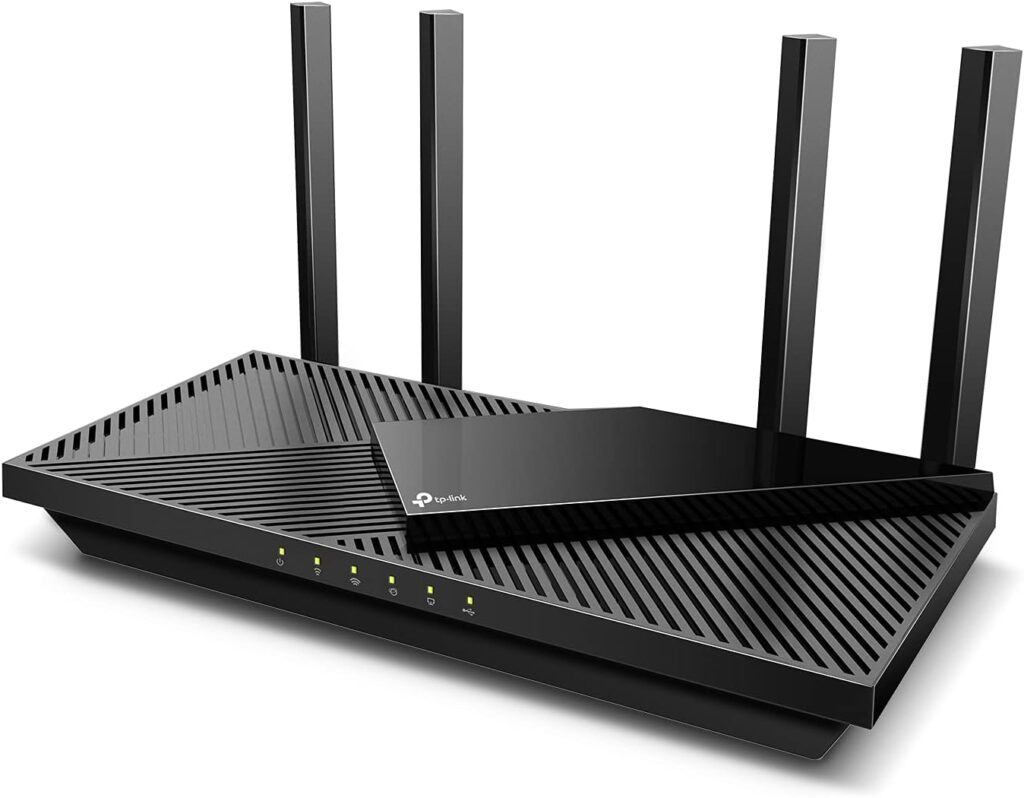
High-end routers often use different antenna types. These include omnidirectionalantennas, which send signals in all directions, and directionalantennas, focusing signals in one direction for better range.
Materialsmatter. High-end antennas use better metalslike copper or gold plating for clearer signals. The build qualityis stronger, reducing damage and signal loss.
Design plays a key role. Some routers have adjustable antennasto point where the signal is needed. Others use internal antennashidden inside, improving look and protecting them from damage.
Credit: www.highspeedoptions.com
Performance Comparison
High-end routersusually have better antennas that boost signal strength. They cover a wider range, letting you connect from far places in your home or office.
These routers often support higher data transfer speeds. This means faster downloads and smoother streaming. The antennas help maintain strong signals for quick data flow.
Better antennas also reduce interference. This makes the connection more stable and less likely to drop. Low-end routers may struggle in crowded Wi-Fi areas, while high-end ones perform more reliably.
| Feature | High-End Routers | Low-End Routers |
|---|---|---|
| Signal Strength | Strong, covers large areas | Weaker, limited coverage |
| Data Speeds | Fast and consistent | Slower, may drop |
| Interference | Less affected, stable | More affected, unstable |
Price Vs Antenna Quality
High-end routers often have better antennas that provide stronger and more stable signals. However, price does not always guarantee superior antenna quality or performance. Some mid-range models can also deliver reliable coverage with good antenna design.
Cost Factors In Antenna Design
High-end routers often use better materialsfor antennas. These materials help in stronger signal strengthand longer range. The design process for these antennas is also more complex. Engineers spend more time testing and improving signal clarity. Some antennas have multiple elementsto send and receive signals better. These features cost more to make and add to the router’s price.
Are Expensive Antennas Worth It?
Expensive antennas can give better coveragein large homes. They reduce signal dropsand interference. For small spaces, cheaper antennas may work well enough. It depends on your internet needsand home size. Sometimes, a less costly router with a good antenna can be enough.

Credit: www.jimsantennas.com.au
User Experience And Real-world Impact
High-end routersoften offer more flexible setupoptions. Their antennas can be adjusted or moved to fit different spaces. This helps improve signal strength in tricky spots.
For streaming and gaming, a strong and stable connection is key. High-end routers usually reduce lag and buffering. They keep the connection steady even with many devices online.
| Feedback from Tech Experts | Details |
|---|---|
| Antenna Quality | Experts say better antennas boost range and signal clarity. |
| Placement Flexibility | High-end models allow more antenna direction options. |
| Real-World Use | Users notice fewer dropouts and faster speeds. |
Alternatives To Built-in Antennas
External antennas can improve your router’s signal strength. They often have higher gain than built-in ones. This means better reach and fewer dead spots.
Many routers have ports to connect these antennas. You can find options like directional or omnidirectional antennas. Directional antennas focus signal in one direction, good for long distances. Omnidirectional antennas spread signal evenly around the device.
| Option | Description | Best Use |
|---|---|---|
| Directional Antennas | Focus signal in one direction for longer range | Connecting to a distant device or area |
| Omnidirectional Antennas | Broadcast signal evenly in all directions | Covering a wide area like a home or office |
| Mesh Systems | Multiple devices create a strong, wide network | Large homes or buildings with many rooms |
| Signal Boosters | Amplify weak Wi-Fi signals for better reach | Areas with poor signal or many walls |
Mesh systems use many small routers. They work together for full coverage. This solves weak spots inside large places.
Signal boosters catch weak Wi-Fi and make it stronger. Easy to add and move around as needed.
Frequently Asked Questions
Do High-end Routers Have Superior Antennas?
Yes, high-end routers usually have better antennas. They offer stronger signals, wider coverage, and improved data rates than basic models.
How Do Antennas Affect Router Performance?
Antennas influence signal strength and range. Better antennas reduce dead zones and increase speed, enhancing your overall internet experience.
Can Antenna Quality Impact Wi-fi Speed?
Absolutely. Quality antennas provide stable connections and faster speeds by efficiently transmitting and receiving data signals across your home.
Are External Antennas Better Than Internal Ones?
External antennas generally perform better. They can be adjusted for optimal coverage, while internal antennas have limited range and flexibility.
Conclusion
High-end routers often come with better antennas. This means improved signal strength. Users can experience faster internet speeds. Enhanced coverage reduces dead zones in homes. Better antennas support multiple devices simultaneously. This benefits families and small businesses. Investing in a quality router can improve your internet experience.
Consider your needs and budget when choosing. Not all high-end routers are the same. Research and reviews help make informed decisions. A good router is an important part of a reliable network.