Are you considering upgrading your internet setup and wondering if high-end routers can work seamlessly with your fiber optic connection? You’re not alone.
With the rise of ultra-fast fiber optic internet, many users are keen to maximize their experience by pairing it with top-notch equipment. But is investing in a high-end router really worth it? Will it unlock the full potential of your lightning-fast fiber connection, or is it just another tech gimmick?
We’ll dive into the ins and outs of how high-end routers interact with fiber optic internet. Get ready to discover whether this tech upgrade could be the game-changer you’ve been searching for. Stick around, because the insights you’ll gain could transform your online world.
Credit: www.popularmechanics.com
Fiber Optic Internet Basics
Fiber optic internet uses thin glass strandsto send data as light signals. These light signals travel very fast, allowing for high-speedinternet. The fibers are flexiblebut strong, making the connection reliable.
Compared to other connections like DSL or cable, fiber optic offers faster speedsand better stability. It is less affected by weather or distance, so the internet stays strong.
- High speed:Fiber can reach speeds up to 1 Gbps or more.
- Low latency:Data moves quickly, making games and calls clearer.
- Long distance:Signals stay strong over many miles.
- Better upload speeds:Useful for sending files and video chats.

Credit: lightyear.ai
High-end Routers Explained
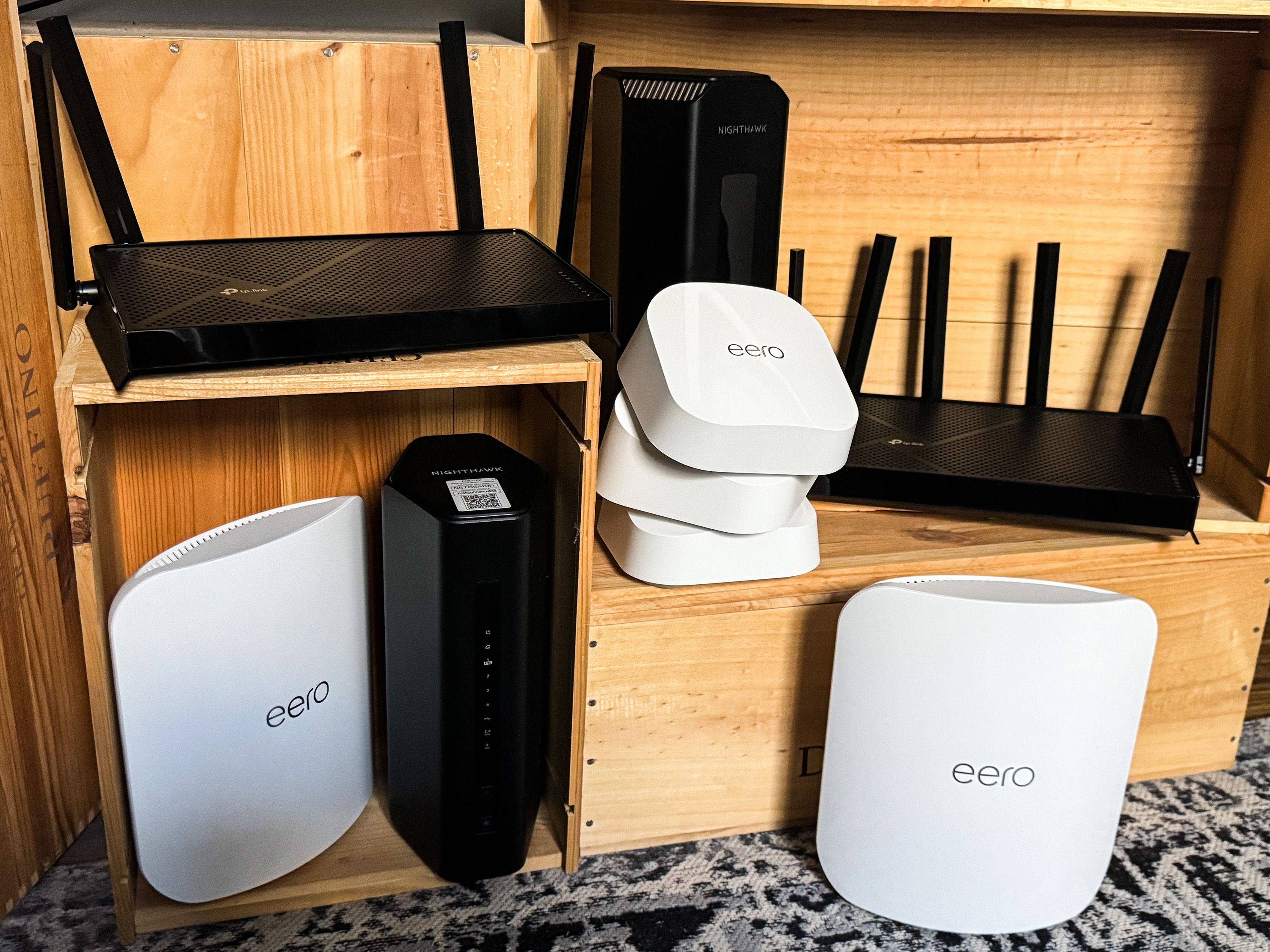
High-end routers have better speedand stronger signals. They support the latest Wi-Fi standards like Wi-Fi 6. This means faster internet and more devices can connect without slowing down.
These routers often come with advanced security featuresto protect your network. They have multiple antennas for wider coverage. Many also offer easy setup apps for quick installation.
| Feature | Benefit |
|---|---|
| Multiple Antennas | Better coverage and fewer dead spots |
| Dual or Tri-Band | Less interference and faster speeds |
| Quality of Service (QoS) | Prioritizes important devices and apps |
| Advanced Security | Protects against hackers and threats |
| Easy Setup | Simple installation with apps |
Choosing a high-end router helps get the most from fiber optic internet. It handles high speeds without slowing down. It also supports many devices at once. A better router means a more reliable and fast connectionin your home or office.
Compatibility Between Routers And Fiber
High-end routers can work with fiber optic internet but must meet certain requirements. Most fiber services use an Optical Network Terminal (ONT)that converts fiber signals to Ethernet. Routers need a WAN portto connect to the ONT. A router with a Gigabit Ethernet portis ideal to handle fast fiber speeds.
Some routers support VLAN tagging, which some fiber ISPs require. Without this, the internet may not work correctly. Also, routers with Quality of Service (QoS)can help manage network traffic for better performance.
| Common Compatibility Issues | Details |
|---|---|
| No VLAN Support | Router can’t connect to fiber ISP without VLAN tagging. |
| Slow Ethernet Ports | Older routers with 100 Mbps ports limit fiber speed. |
| Firmware Problems | Outdated firmware may cause connection drops. |
| Incorrect Setup | Wrong router settings stop internet from working. |
Credit: www.highspeedoptions.com
Setting Up High-end Routers With Fiber
High-end routers work well with fiber optic internet. First, connect the fiber modem to your router using an Ethernet cable. Plug the cable into the router’s WAN port. Power on both devices. Wait until the router shows a stable internet connection.
Optimizing router settings can boost your fiber speeds. Access the router’s admin page by typing its IP address in a browser. Change the Wi-Fi channel to avoid interference. Enable Quality of Service (QoS) to prioritize devices and apps. Update the router’s firmware to get the latest features and security fixes.
Performance Benefits Of Using High-end Routers
High-end routers help your internet run fasterand more stable. They manage the data better, so your videos load quickly without stopping. This means less waiting and more fun online.
They come with strong securitytools. These protect your devices from hackers and keep your data safe. You can control who connects to your network more easily.
- Better speed:Handle more devices at once without slowing down.
- Stable connection:Less chance of dropping the internet signal.
- Advanced security:Firewalls and encryption keep your info private.
- Easy control:Manage devices and set limits for kids or guests.
Troubleshooting Common Problems
Slow speeds may happen even with a high-end router. Often, this happens due to incorrect router settingsor outdated firmware. Checking the router’s firmware and updating it can help. Also, placement of the routermatters. Keep it in an open space, away from walls and other electronics.
Connectivity drops can be frustrating but usually have simple fixes. Start by restarting the router and modem. Check all cables to make sure they are secure and undamaged. Using a wired connectioninstead of Wi-Fi may improve stability.
- Make sure router firmware is up to date.
- Place the router in a central, open spot.
- Restart router and modem regularly.
- Check all cables for secure connections.
- Try using an Ethernet cable for important devices.
Choosing The Right Router For Fiber
High-end routerscan work well with fiber optic internet. They often have better speeds and range than basic models. This helps keep your connection strong in big homes or busy networks.
Choose routers that support gigabit speedsto match fiber’s fast data rates. Look for routers with multiple antennasfor good signal coverage. Also, check if the router has advanced security featuresto protect your network.
| Router Model | Speed Support | Features |
|---|---|---|
| Netgear Nighthawk AX12 | Up to 10 Gbps | Wi-Fi 6, Multiple antennas, Strong security |
| Asus RT-AX88U | Up to 6 Gbps | Wi-Fi 6, MU-MIMO, Parental controls |
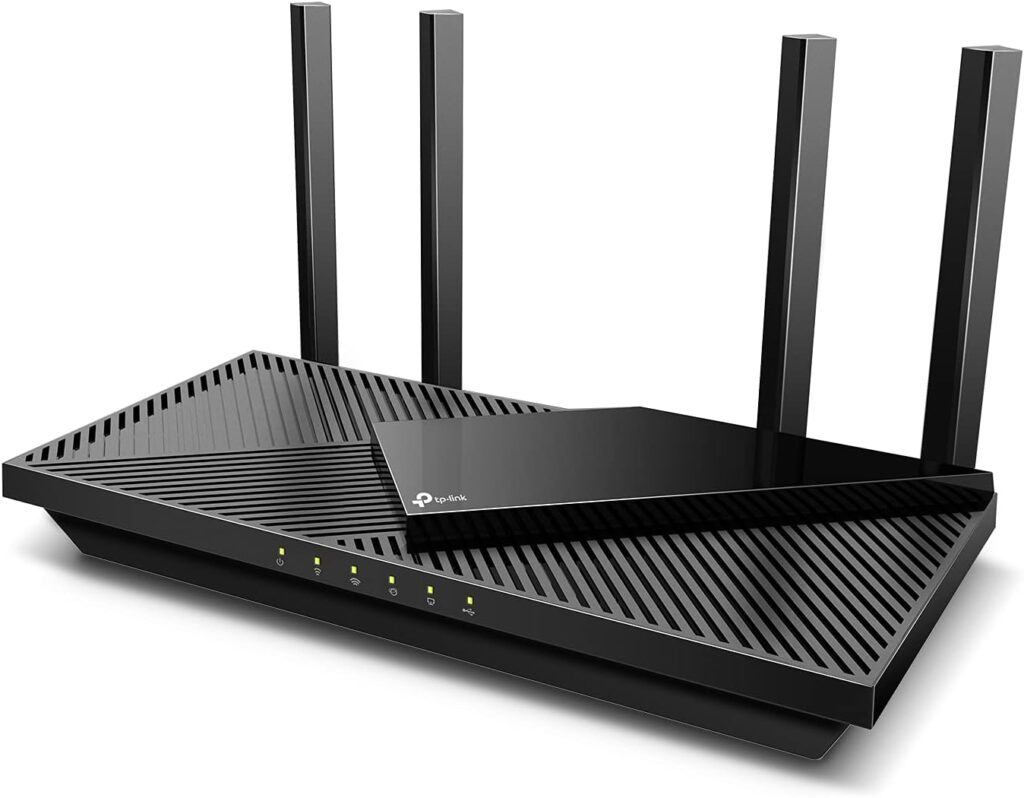
| TP-Link Archer AX6000 | Up to 6 Gbps | Wi-Fi 6, 8 antennas, Easy setup |
- Speed:Must match or exceed your fiber plan.
- Wi-Fi standard:Choose Wi-Fi 5 or Wi-Fi 6 for better performance.
- Ports:Gigabit Ethernet ports help wired devices run faster.
- Coverage:More antennas mean better signal in larger spaces.
- Security:Look for strong encryption and firewall features.
Frequently Asked Questions
Do High-end Routers Support Fiber Optic Internet Speeds?
Yes, high-end routers are designed to handle the fast speeds offered by fiber optic internet. They can manage gigabit speeds efficiently, ensuring minimal latency and better overall performance for your network.
Can I Use Any Router With Fiber Optic Internet?
Not all routers are optimized for fiber optic internet. High-end routers provide better speed, range, and stability, maximizing fiber’s potential. Basic routers may bottleneck your connection and reduce internet performance.
How Do High-end Routers Improve Fiber Internet Performance?
High-end routers offer advanced features like MU-MIMO, QoS, and better hardware. These enhance speed, reduce interference, and prioritize traffic, resulting in a smoother fiber internet experience.
Are High-end Routers Compatible With Fiber Internet Modems?
Most high-end routers are compatible with fiber internet modems. They connect via Ethernet, making setup simple and ensuring seamless integration with your fiber optic service.
Conclusion
High-end routers can work well with fiber optic internet. They help you get faster speeds and a strong connection. Choosing the right router matters for your home or office. Not all routers support fiber technology fully. Check compatibility before buying to avoid problems later.
Good routers also improve your Wi-Fi range and stability. This means fewer drops and better streaming or gaming. Investing in a proper router makes your fiber internet more useful. It helps you enjoy the full benefits of fiber connections. Simple steps lead to a smoother and faster internet experience.