Are you tired of weak WiFi signals in certain areas of your home or office? Do you find yourself battling with slow internet speeds just when you need them the most?
You’re not alone. Many people face the same frustration, and the solution might be simpler than you think. You’ve probably heard about long-range WiFi extenders and repeaters, but which one is truly better for your needs? In this post, we’ll dive into the differences between these two devices and help you discover which one can transform your internet experience.
Get ready to say goodbye to buffering and hello to seamless connectivity. Keep reading to uncover which device will be your WiFi hero.
Long Range Wifi Extenders
Long range WiFi extendersboost your wireless signal over larger areas. They catch the original WiFi and send it farther. This helps cover dead zones in homes or offices. Unlike repeaters, extenders often use new frequencies to keep speed high.
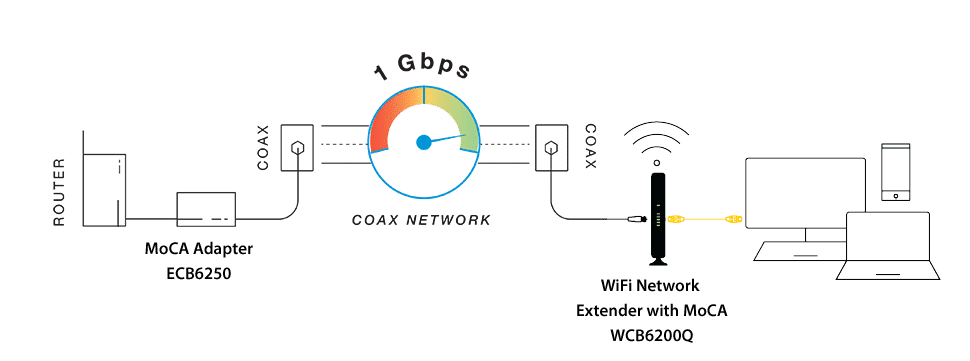
These devices work by receiving the WiFi signalfrom the router and retransmitting itto distant spots. Some use multiple antennas to reach further. Others connect with cables to keep a strong link.
| Key Features | Description |
|---|---|
| Longer range | Can cover large homes or offices |
| Dual-band support | Uses separate bands to keep speed |
| Multiple antennas | Improves signal strength and coverage |
| Wired options | Keeps connection stable with cables |
- Extending WiFi to far rooms or floors
- Boosting signal in large yards or gardens
- Improving internet in offices with many walls
- Supporting multiple devices with steady speed

Credit: www.screenbeam.com
Wifi Repeaters Explained
Wifi repeatersreceive the signal from your router and send it further. They help cover areas where the wifi is weak. The repeater creates a new wifi signal from the original one. This means the speed may drop because it splits the signal.
Repeaters work by placing them somewhere between the router and the weak signal area. They catch the wifi and boost it so devices far away can connect better. The setup is simple and does not need cables.
- Easy to installwithout technical skills
- Extends wifi coverage to far rooms
- Works with most wifi routers
- Portable and can be moved as needed
- Speed often reduces by half
- Needs a good signal to repeat well
- Can create wifi dead zones if placed badly
- Only boosts signal, does not improve original speed
Performance Comparison
Long range WiFi extendersusually provide a stronger signalthan repeaters. They catch the original WiFi and send it farther without much loss. Repeaters simply copy the signal, which can weaken it.
Extenders often offer better speedand lower latency. This means faster downloads and less delay in games or video calls. Repeaters may slow down the connection since they repeat the signal twice.
| Feature | Long Range Extenders | Repeaters |
|---|---|---|
| Signal Strength | Strong, less loss | Weaker, signal copied |
| Speed & Latency | Faster, less delay | Slower, more delay |
| Coverage Area | Wider, covers large spaces | Smaller, covers nearby areas |
Installation And Setup
Installing long range WiFi extenders is usually simple. Most models come with clear instructions. You can use a mobile app or web interface for setup. Place the extender where the WiFi signal is still strong but near the area with weak coverage. This helps the extender work better.
Good placement is key. Avoid thick walls and metal objects that block signals. Keep the extender away from microwaves and cordless phones. Try to place it halfway between your router and the dead zone. This helps cover more space.
- Check power and connection lights on the extender.
- Restart the extender and router if the signal is weak.
- Move the extender to a different spot if needed.
- Update the extender’s firmware for better performance.
- Reset the device to factory settings if problems persist.
Cost And Value
Long range WiFi extendersusually cost more than repeaters. This is because they offer better coverage and stronger signals. Repeaters are cheaper but may give weaker signals in large spaces.
Extenders often provide long-term value. They can cover bigger areas and reduce dead zones. This means fewer connection problems later. Repeaters might need to be replaced sooner or combined with more devices to cover large homes.
Budget matters. If you want simple coverage in a small space, a repeater might work. For bigger homes or offices, investing in an extender can save money and time over years.
| Feature | WiFi Extender | WiFi Repeater |
|---|---|---|
| Price | Higher | Lower |
| Coverage | Large areas | Small to medium areas |
| Signal Strength | Stronger | Weaker |
| Long-Term Use | Better value | May need replacement |
Credit: www.screenbeam.com
User Scenarios
Long range WiFi extenders cover larger areas and reduce dead zones better than repeaters. They work well in big homes or offices with weak signals. Repeaters may struggle with speed and signal strength over long distances.
Home Use
Long range WiFi extendershelp cover big houses with many rooms. They work well through walls and floors. Repeatersare good for small spaces but may slow your internet speed. Extenders create a new network, which means less signal loss. Perfect for streaming and video calls in far rooms.
Office Environments
Offices need strong, steady WiFi for many devices. Long range extendersprovide better coverage in big rooms and separate offices. Repeaterscan cause delays and drop signals with many users. Extenders keep the network stable and fast for work tasks.
Outdoor Coverage
For gardens or patios, long range extendersreach farther and keep signal strong. Repeaters may not work well outside due to walls or distance. Extenders help with outdoor WiFi for security cameras or smart devices.
Choosing The Right Solution
Choosing between long range WiFi extendersand repeatersdepends on several key factors. Extenders usually create a new network, which can offer better speed and coverage. Repeaters simply rebroadcast the existing signal, which may reduce speed.
Think about your home’s size, the number of walls, and signal strength. Extenders work well for larger areas with many obstacles. Repeaters suit small spaces or weak signal spots. Both devices need a good placement to work effectively.
Future-proofing your network means picking devices that support the latest WiFi standards like WiFi 6. This helps keep your network fast and reliable for years. Also, check if the device supports multiple devices connected at once.
| Expert Recommendations |
|---|
| Choose extenders for larger homes or offices. |
| Use repeaters for simple, quick signal boosts. |
| Place devices away from thick walls and electronics. |
| Check device compatibility with your router. |
| Opt for devices that support current WiFi standards. |

Credit: www.reddit.com
Frequently Asked Questions
What Is The Difference Between Wifi Extenders And Repeaters?
Wifi extenders create a new network to extend coverage. Repeaters amplify the existing signal without creating a new network. Extenders often provide better range and speed compared to repeaters, especially in larger areas with obstacles.
Do Long Range Wifi Extenders Improve Signal Quality?
Yes, long range wifi extenders boost both signal strength and quality. They cover larger distances and reduce dead zones. This results in more reliable and faster connections in areas far from the main router.
Are Wifi Extenders Better Than Repeaters For Large Homes?
For large homes, wifi extenders usually work better. They create a separate extended network that handles traffic more efficiently. Repeaters may cause slower speeds due to signal retransmission over the same channel.
How Do Wifi Extenders Affect Internet Speed?
Wifi extenders can maintain or slightly reduce internet speed depending on placement. Properly positioned extenders minimize speed loss. Repeaters often cut speeds in half, making extenders a better choice for maintaining fast connections.
Conclusion
Long range WiFi extenders often provide better coverage than repeaters. They boost signals over larger areas with less speed loss. Repeaters work well for small spaces but can slow your connection. Choosing the right device depends on your home size and internet needs.
Testing both can help find the best fit. Strong, reliable WiFi makes daily tasks easier and more enjoyable. Consider your options carefully to improve your network effectively.