Are you struggling to get a strong WiFi signal in your outdoor spaces? You might be thinking about using an outdoor WiFi extender.
But here’s a question that could save you time and money: do outdoor WiFi extenders require special cables? Knowing the answer can make setting up your network much easier and help you avoid common mistakes. Keep reading to discover what cables you really need and how to get the best performance from your outdoor WiFi extender.
This simple knowledge could change the way you enjoy internet outside your home.
Credit: corkmoviememories.com
Outdoor Wifi Extenders Basics
Outdoor WiFi extendersboost your internet signal outside your home. They help reach places where WiFi is weak or does not reach at all. These devices catch the WiFi signal from your router and spread it further. This creates a stronger and wider wireless area.
Common places to install outdoor WiFi extenders include:
- Backyards
- Garages
- Patios
- Garden areas
- Porches
These spots often have poor WiFi coverage. Installing extenders there helps you use the internet smoothly outside.
Cable Types For Outdoor Extenders
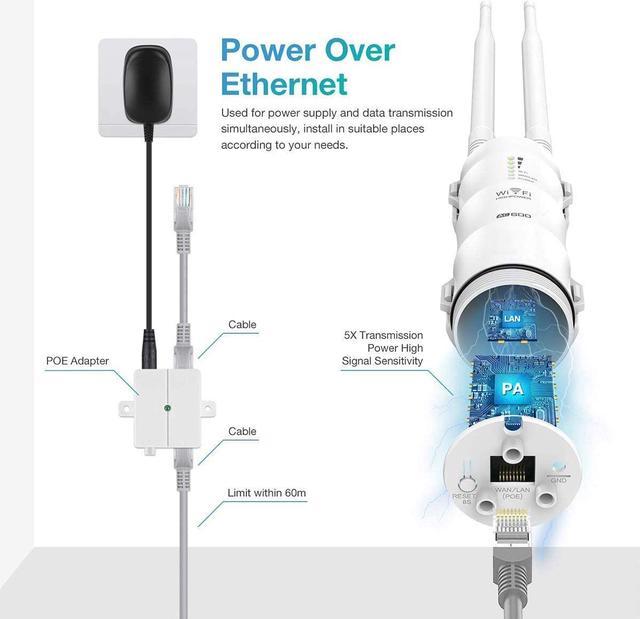
Standard Ethernet cableslike Cat5e or Cat6 work fine for outdoor WiFi extenders. They carry data well but are not made for harsh weather. These cables might get damaged by rain or sun over time.
Outdoor-rated cableshave special jackets to protect from sunlight, heat, and moisture. They last longer outside. These cables are a better choice for long-term outdoor use.
Waterproof and weatherproof optionsprovide extra protection against water and dust. Some cables have a gel inside to stop water from entering. These are best for very wet or harsh environments.
Why Special Cables Might Be Needed
Outdoor WiFi extenders often need special cables to protect against weather damage. These cables resist water, sunlight, and temperature changes to keep connections stable. Using regular cables outdoors can cause signal loss or equipment failure.
Durability Against Weather Elements
Outdoor WiFi extenders face rain, wind, and sun daily. Using special cableshelps avoid damage from water and dust. These cables have strong insulationto protect wires inside. Normal indoor cables can break or stop working fast outside.
Signal Integrity Over Distance
Long cable runs can cause signal loss. Special cables reduce this loss with better shielding. This keeps your WiFi extender working well far from the router. Good cables stop interference from other electronics too.
Uv And Temperature Resistance
Sunlight can harm regular cables, making them crack or fade. Outdoor cables have UV-resistant jacketsthat last longer in the sun. They also work in very hot or cold weather without breaking.

Credit: simplewifi.com
Choosing The Right Cable
Choosing the right cable is key for outdoor WiFi extenders. The materialof the cable affects signal strength and durability. Cables made from copperoffer good conductivity. Some cheaper cables use copper-clad aluminum, which is less effective.
Shielding protects the cable from interference. Outdoor cables need strong shieldingto block noise from weather and electronics. Look for cables labeled with foil or braided shielding.
| Connector Type | Use | Notes |
|---|---|---|
| RJ45 | Standard Ethernet | Common and easy to find |
| N-Type | Outdoor WiFi Extenders | Weatherproof and durable |
| SMA | WiFi Antennas | Compact but less weatherproof |
Installation Tips For Outdoor Cables
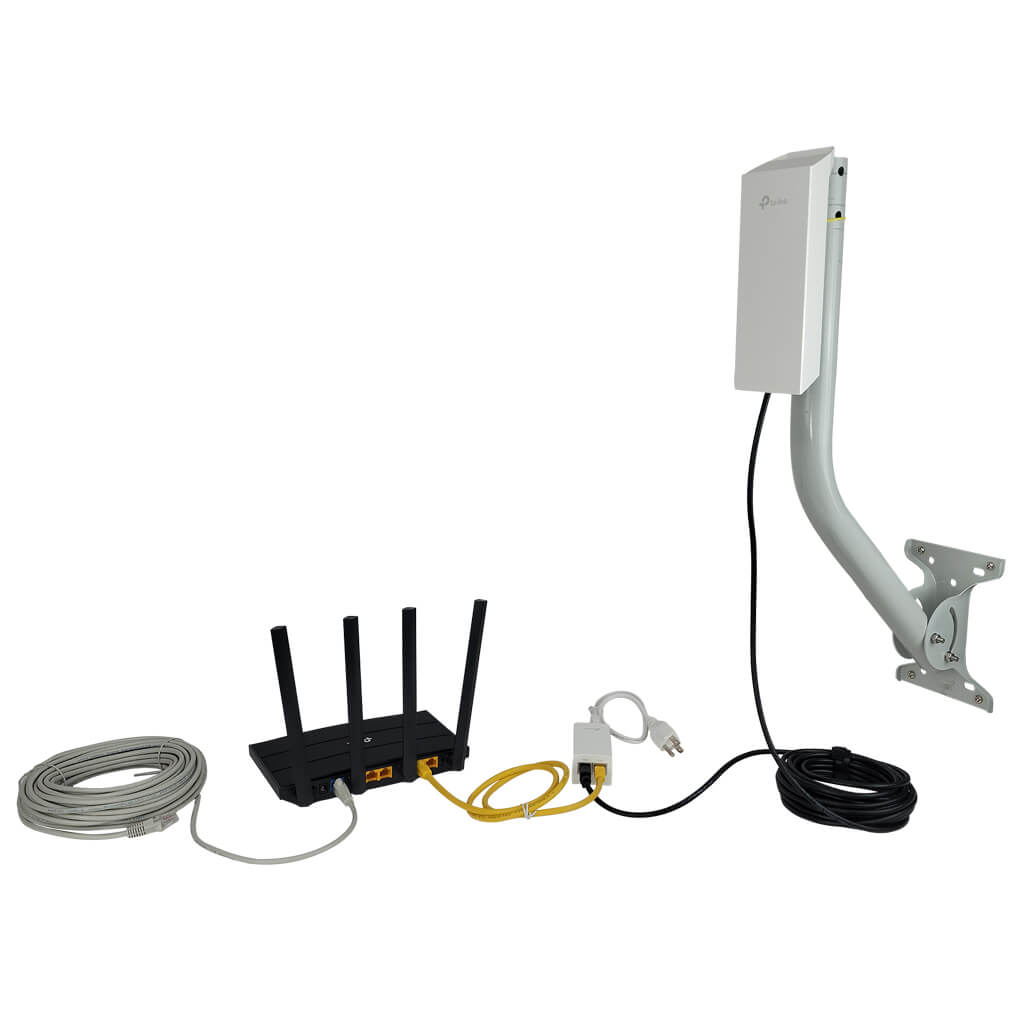
Outdoor wifi extenders often need special cables like weatherproof Ethernet cables. These cables resist water, sun, and cold. Use direct burial cablesif you bury them underground. Avoid regular indoor cables outside; they can break or lose signal.
Plan the cable path carefully. Avoid sharp bends and keep cables away from power lines to reduce interference. Fix cables tightly but do not squeeze them. Place cables where they won’t get stepped on or damaged by animals.
Seal all cable ends with waterproof connectorsor tape. Protect connectors with weatherproof boxesto stop rain and dirt. This keeps your network stable and safe.
Long cables can lose signal strength. Use cables less than 100 meters to keep speed high. If longer cables are needed, add signal boostersor use higher quality cables. This helps avoid slow or weak connections.
Credit: simplewifi.com
Maintenance And Troubleshooting
Check cablesfor cracks, cuts, or wear regularly. Damaged cables can cause signal lossor connection issues. Look for corrosionon connectors, which affects performance.
Common cable problems include:
- Bent or twisted wires
- Loose or broken connectors
- Water damage in outdoor cables
- Frayed insulation
Replace cables if you see:
- Visible damage or exposed wires
- Frequent disconnections or poor signal
- Corroded connectors that can’t be cleaned
- Cables older than 3-5 years
Frequently Asked Questions
Do Outdoor Wifi Extenders Need Special Cables?
Outdoor WiFi extenders typically do not require special cables. Standard Ethernet cables are usually sufficient for connecting them. However, ensure the cables are weather-resistant if they are used outdoors. This helps prevent damage from environmental factors such as rain or temperature changes.
Can I Use Regular Ethernet Cables Outdoors?
Yes, regular Ethernet cables can be used outdoors, but they should be weatherproof. Using a weatherproofed or outdoor-rated Ethernet cable is recommended. This ensures durability against harsh weather conditions, prolonging the cable’s lifespan and maintaining a stable connection.
What Type Of Cable Is Best For Outdoor Wifi Extenders?
For outdoor WiFi extenders, use weatherproof Ethernet cables. These cables are designed to withstand environmental elements like rain and UV rays. Cat6 or Cat6a cables are often recommended because they provide high performance and durability for long-distance connections.
Are There Alternatives To Using Cables For Wifi Extenders?
Yes, there are alternatives like wireless mesh systems or powerline adapters. Wireless mesh systems extend WiFi coverage without cables. Powerline adapters use your home’s electrical wiring to extend the network, providing another cable-free option for connectivity.
Conclusion
Outdoor WiFi extenders often need special cables for best performance. These cables protect against weather and signal loss. Using the right cable helps keep your connection strong. It also prevents damage from rain, sun, or wind. Choosing good-quality cables is a smart step for reliable WiFi outside.
Remember, simple cables may not last long outdoors. Proper cables make your extender work better and longer. This small detail can improve your internet experience outside.