Are you tired of weak WiFi signals when you move from room to room? You might be wondering if a Tri Band WiFi extender can really help your connection work through walls.
Walls often block or weaken your WiFi, making it frustrating to stay connected. But can this powerful device break through those barriers and give you strong internet everywhere in your home? Keep reading to discover how a Tri Band WiFi extender works, what it can do for your signal, and whether it’s the right solution for your WiFi troubles.
Your smooth, reliable internet could be just one step away.
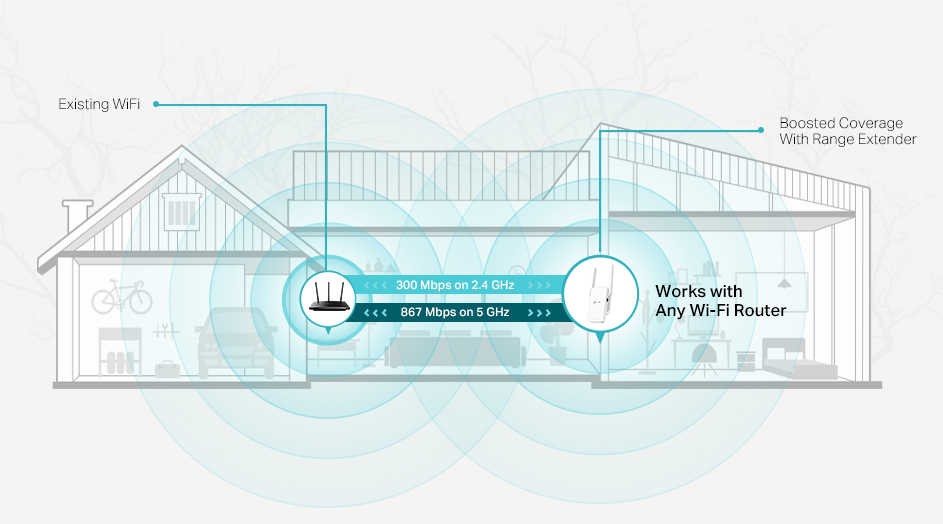
Credit: www.tp-link.com
Tri Band Wifi Extender Basics
Tri band WiFi extendersuse three separate frequency bands to send and receive data. This helps reduce network congestionand improve speed. One band usually connects to your router, while the other two serve your devices.
Single band extenders use one frequency, often causing slower speeds. Dual band extenders have two frequencies, offering better performance. Tri band extenders have an extra band, which helps keep connections strong, especially through walls.
| Type | Number of Bands | Speed | Best Use |
|---|---|---|---|
| Single Band | 1 | Low | Basic browsing |
| Dual Band | 2 | Medium | Streaming and gaming |
| Tri Band | 3 | High | Multiple devices and thick walls |
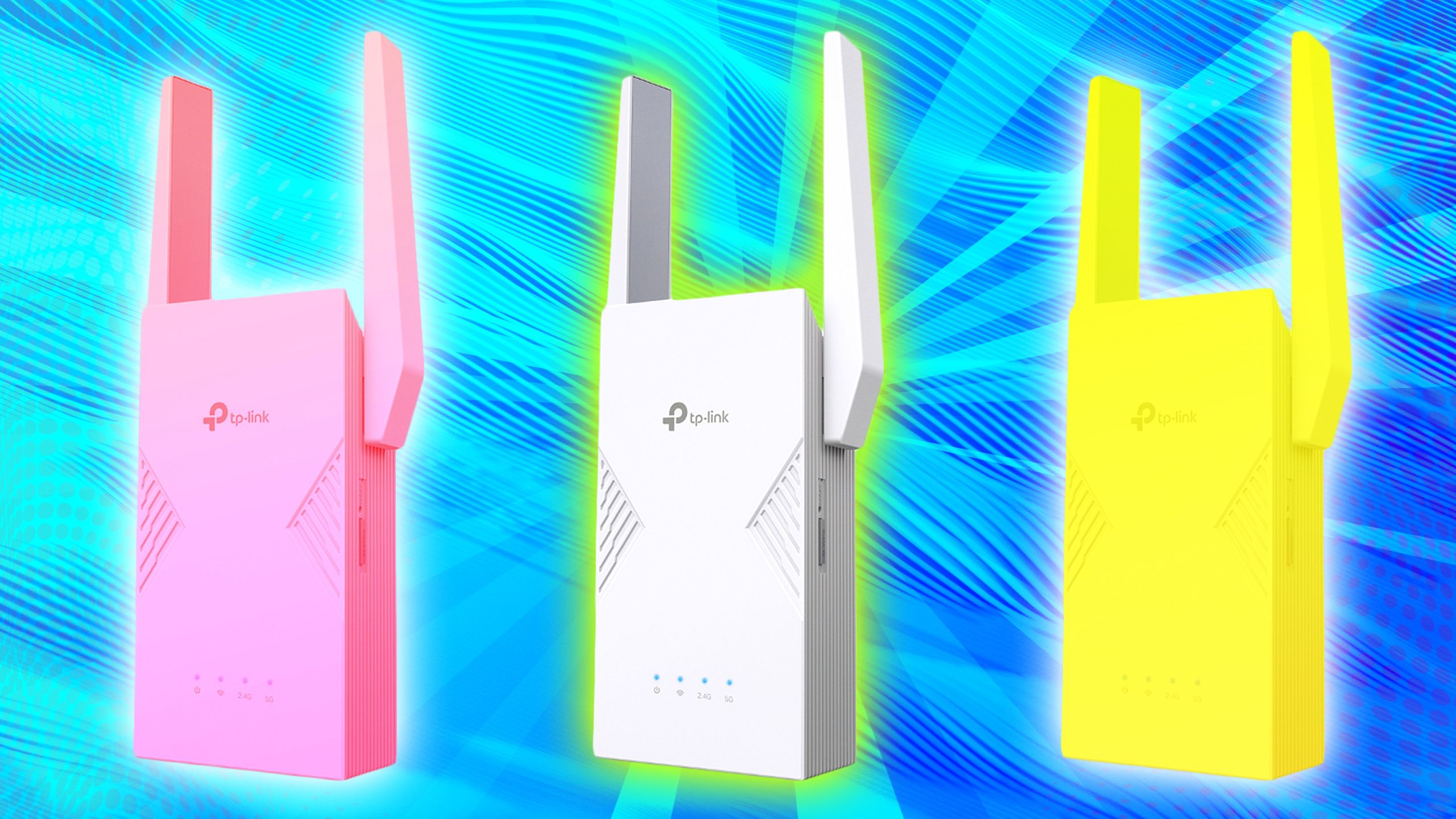
Credit: www.pocket-lint.com
Signal Behavior Through Walls
Walls can reduce WiFi signals. Different wall types block signals in different ways. For example, drywalllets most signals pass through easily. Brickand concrete wallsblock more signals, making WiFi weaker. Metal walls or ones with metal studs can almost stop signals completely.
WiFi works on different frequencies. The 2.4 GHzband goes through walls better than the 5 GHzband. The 2.4 GHz signal travels farther but is slower. The 5 GHz band is faster but stops more at walls.
| Wall Type | Signal Blocking Level | Best Frequency Band |
|---|---|---|
| Drywall | Low | 2.4 GHz or 5 GHz |
| Brick | Medium | 2.4 GHz |
| Concrete | High | 2.4 GHz |
| Metal | Very High | None |
Tri Band Extenders And Wall Penetration
Tri-band WiFi extendersuse three separate bands to send and receive data. This helps keep a stronger signal even through walls. Walls, especially thick or concrete ones, can reduce signal strength. But tri-band extenders handle this better than single or dual-band devices.
In multi-room setups, these extenders can connect to your main router on one band. Then, they send the signal to devices using the other two bands. This reduces slowdowns and keeps internet fast across rooms.
| Test Location | Signal Strength (dBm) | Speed (Mbps) |
|---|---|---|
| Room with 1 Wall | -60 | 100 |
| Room with 2 Walls | -70 | 70 |
| Room with 3 Walls | -80 | 40 |
Tests show signal weakens with each wall. Still, tri-band extenders keep the internet usable far from the router. They work well for homes with many rooms and walls.
Credit: www.screenbeam.com
Optimizing Tri Band Extender Placement
Placing a tri-band wifi extenderin the right spot is key for good coverage. Walls can block signals, so try to put the extender where it can get a clear signal from your router. Open areas near the center of your home often work best.
Keep the extender away from thick walls, metal objects, and microwaves. These can cause signal interferenceand reduce speed. Avoid placing it near large appliances or mirrors.
- Near a window or open space facing the router
- Halfway between the router and the area with weak signal
- On a higher shelf, not on the floor
- Away from electronic devices that cause interference
| Obstacle | Effect on Signal | Tip |
|---|---|---|
| Thick Walls | Blocks or weakens signal | Place extender in open area near router |
| Metal Objects | Interferes with signal | Keep extender away from metal |
| Microwave | Causes signal noise | Avoid placing near kitchen |
| Large Appliances | Weakens signal strength | Place extender in open space |
Comparing Tri Band To Other Extenders
Tri-band WiFi extenders use three separate bands to improve speed and reduce interference. They perform better through walls compared to single or dual-band extenders. This helps maintain a stronger, more stable connection in different rooms.
Pros And Cons Of Tri Band Extenders
Tri band extendersuse three separate WiFi bands. One band connects to your router. The other two provide fast WiFi to your devices. This setup helps keep speed high even with many users.
Walls can block WiFi signals. Tri band extenders handle walls better than single or dual band models. They keep a strong link with the router and devices through walls.
But, tri band extenders cost more. They also use more power and can be bigger. Sometimes, a dual band extender is enough for small homes without many walls.
When To Choose Dual Or Single Band
- Single band extendersare simple and cheap.
- Good for small areas with few walls.
- Dual band extendersgive better speed and less interference.
- Best for medium homes with some walls.
- Tri band is best for large homes with many walls and many devices.
Additional Tips To Boost Wifi Signal
Keeping your WiFi devices updated helps improve signal strength. Check for firmware updatesoften. New versions fix bugs and boost performance. Adjusting your router’s settings can also help. Changing the channel or frequency may reduce interference from other devices.
Mesh networks use several devices to cover large areas. They create one strong network instead of many weak signals. This works well through walls and floors. Other options include powerline adapters that use your home’s wiring to carry the internet signal.
Frequently Asked Questions
What Is A Tri-band Wifi Extender?
A tri-band WiFi extender uses three frequency bands to enhance connectivity. It helps distribute the network load efficiently. This results in faster and more reliable internet connections. It’s beneficial for homes with multiple devices connected to the network.
Can Tri-band Extenders Penetrate Walls Effectively?
Tri-band WiFi extenders can penetrate walls better than single-band ones. The multiple bands help maintain signal strength. However, thick walls or obstacles can still reduce effectiveness. Placing the extender strategically can help improve signal coverage through walls.
How Does A Tri-band Extender Improve Wifi?
A tri-band extender improves WiFi by reducing interference and congestion. It offers a dedicated band for communication between router and extender. This ensures faster data transfer and seamless connectivity. It’s ideal for homes with high internet demands.
Are Tri-band Extenders Better Than Dual-band?
Tri-band extenders generally provide better performance than dual-band ones. They offer an extra band for improved network efficiency. This leads to less interference and enhanced speed. For homes with multiple devices, tri-band extenders offer a significant advantage.
Conclusion
Tri band WiFi extenders can help boost signals through walls. Walls do reduce signal strength, but these devices manage it better. Placement matters a lot for the best performance. Thick or metal walls still cause some signal loss. For reliable coverage, place the extender where it gets a strong main signal.
This way, your WiFi can reach more rooms without much drop. Tri band extenders offer good speed and range for most homes. They are a practical choice for improving WiFi through walls.