Are you tired of slow internet and constant buffering? Choosing the right router can make all the difference in your online experience.
A dual band router promises faster speeds and better connections, but is it really the best choice for your home or office? You’ll discover the real advantages and disadvantages of dual band routers. By the end, you’ll know exactly if this technology matches your needs—and how it can improve or complicate your internet setup.
Keep reading to make a smart, informed decision for your network.
Dual Band Router Basics
Understanding dual band routers is key to improving your home or office Wi-Fi. These routers use two separate frequency bands to deliver wireless signals. They help reduce interference and increase internet speed. Learning the basics helps you choose the right device for your needs.
Frequency Bands Explained
Dual band routers operate on two main frequency bands: 2.4 GHz and 5 GHz. Each band has unique features that affect performance. The 2.4 GHz band covers a larger area but offers slower speeds. The 5 GHz band provides faster speeds but covers a smaller area.
The 2.4 GHz band is common for many devices. It passes through walls better and reaches farther distances. The 5 GHz band faces less interference since fewer devices use it. This makes it ideal for high-speed tasks like streaming and gaming.
How Dual Band Works
Dual band routers send signals on both frequency bands simultaneously. Devices can connect to either band depending on their capabilities. This allows better management of network traffic and reduces congestion.
For example, older devices may connect to 2.4 GHz, while newer devices use 5 GHz for faster speeds. The router automatically directs traffic to the best band. This helps improve overall network performance and user experience.
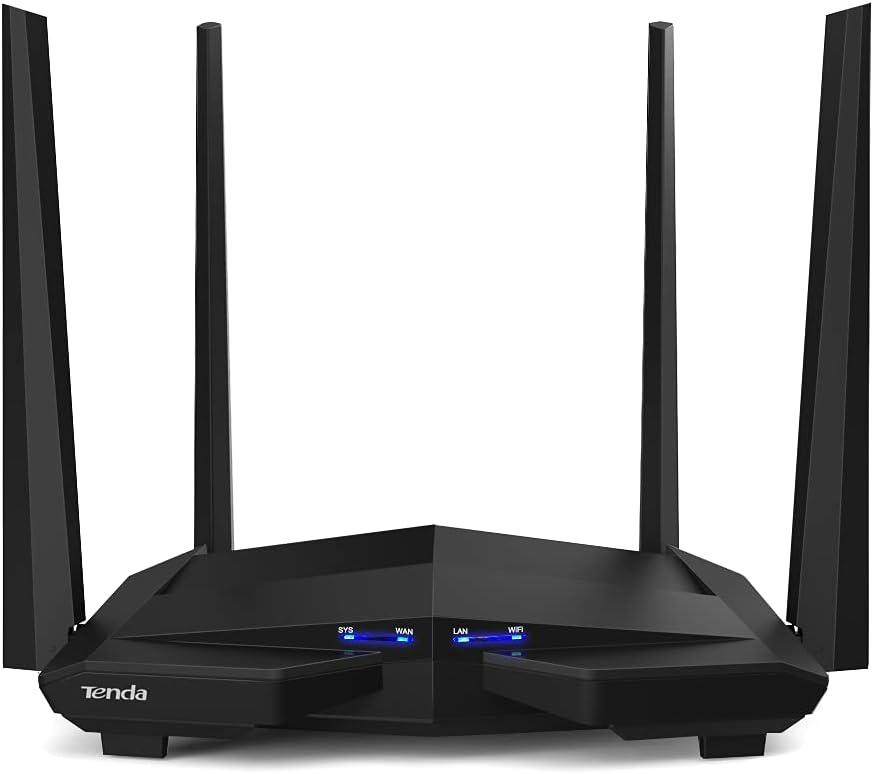
Credit: blog.jazzcybershield.com
Benefits Of Dual Band Routers
Dual band routers offer several clear benefits that can improve your home or office Wi-Fi experience. By using two frequency bands, these routers help you get faster speeds, less interference, and better overall coverage. Let’s look at some of the key advantages that make dual band routers a smart choice for many users.
Improved Network Speed
Dual band routers operate on both the 2.4 GHz and 5 GHz bands, allowing you to enjoy higher speeds when you need them most. The 5 GHz band supports faster data transfer, which is perfect for streaming videos, online gaming, or large file downloads.
In my own experience, switching to a dual band router cut my buffering time in half during video calls. Have you noticed slowdowns when many devices connect? Dual band routers help by balancing the load and keeping speeds steady.
Reduced Interference
The 2.4 GHz band is often crowded with other devices like microwaves, cordless phones, and baby monitors, causing interference. The 5 GHz band, however, is less crowded, which means fewer interruptions and a more stable connection.
This separation reduces signal drops and improves your Wi-Fi reliability. If your network feels spotty or slow at times, a dual band router can help reduce those frustrating interruptions.
Better Device Management
Dual band routers let you assign devices to different bands based on their needs. For example, smart home devices and older gadgets can stay on 2.4 GHz, while newer phones and laptops use the faster 5 GHz band.
This division keeps your network organized and ensures each device runs efficiently. Have you ever wondered why some devices slow down your whole network? Managing your devices across two bands can be the solution.
Enhanced Coverage
The 2.4 GHz band travels farther and penetrates walls better, offering wider coverage in larger homes or offices. Meanwhile, the 5 GHz band provides strong, fast connections in closer range.
Using both bands together means you get solid coverage throughout your space without sacrificing speed. If you’ve struggled with Wi-Fi dead zones, a dual band router can help fill those gaps.
Drawbacks Of Dual Band Routers
Dual band routers offer great flexibility and faster connections, but they’re not without their downsides. Before you decide to upgrade, it’s important to understand some of the drawbacks that might affect your home or office network experience. These routers can bring complexity and extra costs that might not always be worth it for every user.
Higher Cost
Dual band routers generally cost more than single band models. The advanced hardware needed to support two frequency bands increases the price. If you’re on a tight budget, this extra expense might not translate into enough benefit for your specific needs.
Think about how much you’ll actually use the 5GHz band. If your devices or internet plan don’t support high speeds, paying more for a dual band router might be unnecessary.
Complex Setup
Setting up a dual band router can be tricky for users who aren’t tech-savvy. You’ll need to configure two separate networks, which means more steps and potential confusion. This can lead to devices connecting to the wrong band or network issues if not done correctly.
Have you ever spent hours trying to fix Wi-Fi problems only to realize a simple setting was off? Dual band routers can increase those chances if you don’t know exactly what to adjust.
Compatibility Issues
Not all devices support both 2.4GHz and 5GHz bands. Older gadgets might only work with the 2.4GHz band, limiting their connection options. This can cause frustration when some devices can’t access the faster 5GHz network.
It’s worth checking your device list before buying. Are you sure all your important devices will benefit from dual band capabilities?
Potential Signal Overlap
Even though dual band routers separate frequencies, signal overlap can still occur. If both bands use the same or nearby channels, they might interfere with each other. This can reduce your overall network performance instead of improving it.
Managing channel settings manually can help, but not everyone has the expertise or time for this. Would you be willing to dive into router settings regularly to keep your network running smoothly?

Credit: www.sdmfoundation.org
Choosing Between Single And Dual Band
Choosing between single and dual band routers depends on your internet needs. Dual band offers faster speeds and less interference but can be more expensive. Single band is simpler and cheaper but may face more signal congestion.
Choosing the right router can significantly impact your internet experience. A dual-band router offers both 2.4 GHz and 5 GHz frequency bands, while a single-band router operates on just one frequency. But how do you decide which one suits your needs best? Understanding your internet usage and environment is key to making an informed choice.When Dual Band Is Worth It
Opting for a dual-band router is advantageous if you have multiple devices connected to your network. The 5 GHz band offers faster speeds and less interference, making it ideal for streaming HD videos, online gaming, and video conferencing. If you live in an area with many Wi-Fi networks, the dual-band router can help minimize congestion on the 2.4 GHz band, improving overall performance. Imagine working from home, with your kids streaming movies and your partner in a virtual meeting. A dual-band router ensures everyone enjoys a seamless online experience without lag or buffering. Does this scenario sound familiar? If yes, investing in a dual-band router might be a smart move.Scenarios For Single Band Use
A single-band router can still be a good fit for certain situations. If you live in a small apartment or a rural area with few overlapping Wi-Fi networks, a single-band router might suffice. These routers are often more affordable, making them a practical choice for those on a budget. Consider your internet habits. If you’re mainly browsing the web, checking emails, or streaming music, a single-band router can handle these tasks effectively. Plus, its 2.4 GHz band offers a longer range, which is useful if you need coverage throughout your home. Ultimately, the decision between single and dual band hinges on your specific needs and environment. Evaluate your situation carefully, and you’ll find the right router to enhance your internet experience.Tips For Maximizing Dual Band Performance
Getting the most out of your dual band router means paying attention to a few key details. Small tweaks can lead to big improvements in speed and reliability. Let’s look at practical tips that help you boost your router’s performance, so your devices get the best possible connection.
Optimal Router Placement
Where you put your router makes a huge difference. Place it in a central spot in your home to cover the most area. Avoid hiding it inside cabinets or near thick walls that block signals.
Elevate the router on a shelf or table rather than on the floor. This simple change helped me double my Wi-Fi reach in certain rooms. Have you checked if your router’s current spot is limiting your signal strength?
Channel Selection
Wi-Fi channels can get crowded, especially in apartments or busy neighborhoods. Use your router’s admin page or apps like Wi-Fi Analyzer to find which channels are less busy. Switching to a clearer channel can reduce interference and speed up your connection.
Remember, the 2.4 GHz band has fewer channels but longer range. The 5 GHz band offers more channels and faster speeds but covers less area. Adjust channels for each band based on your environment and device needs.
Firmware Updates
Router manufacturers regularly release firmware updates to fix bugs and improve performance. Check for updates at least once every few months. Installing the latest firmware can enhance security and sometimes boost your router’s speed.
During one update, my router fixed a persistent lag issue that I couldn’t solve otherwise. Don’t ignore these updates; they’re like a tune-up for your network. How often do you check your router for updates?
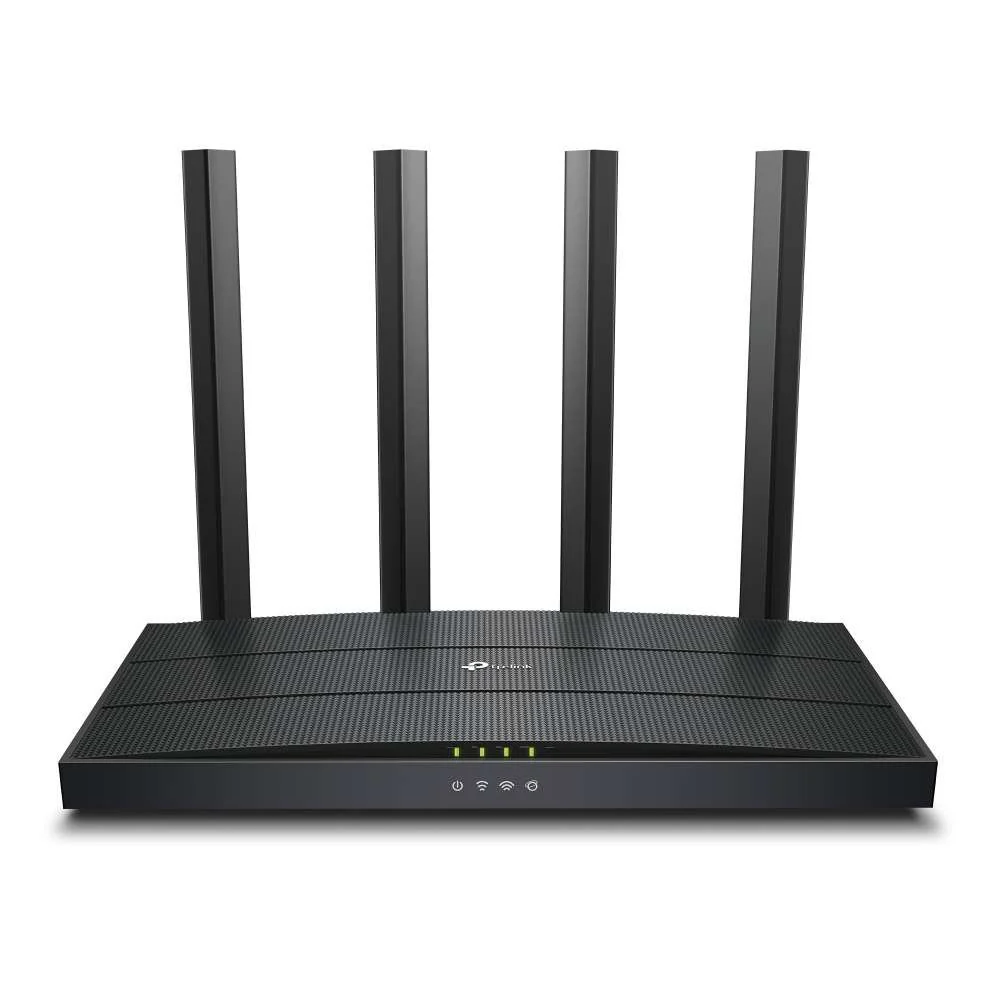
Credit: blog.jazzcybershield.com
Frequently Asked Questions
What Are The Main Advantages Of A Dual Band Router?
Dual band routers provide better speed and less interference by using 2. 4 GHz and 5 GHz bands. They improve connection reliability and support more devices simultaneously, making them ideal for busy networks and streaming needs.
Are Dual Band Routers Better For Gaming And Streaming?
Yes, dual band routers offer faster speeds and lower latency. The 5 GHz band reduces interference, ensuring smooth gaming and high-quality streaming experiences without buffering or lag.
Can Dual Band Routers Reduce Wi-fi Interference?
Dual band routers reduce interference by separating devices across two frequencies. The 5 GHz band faces less congestion than 2. 4 GHz, leading to clearer signals and improved overall network performance.
What Are The Disadvantages Of Dual Band Routers?
Dual band routers can be more expensive than single band models. Some older devices may not support 5 GHz, limiting compatibility. Also, the 5 GHz band has a shorter range compared to 2. 4 GHz.
Conclusion
Dual band routers offer faster speeds and less interference. They support many devices at once. Yet, they can cost more than single band routers. Some older devices might not connect well. Choosing the right router depends on your needs. Consider your home size and device types.
Balance benefits against costs before buying. This helps you get the best internet experience. Dual band routers suit busy homes and offices well. Think carefully and pick what fits you best.