Are you tired of slow internet and dead zones in your home? Choosing the right Wi-Fi setup can make all the difference.
You’ve probably heard about dual band routers and mesh networks, but which one is the best fit for your needs? This guide will help you understand the key differences and benefits so you can make a smart choice. Keep reading to discover how to boost your Wi-Fi and enjoy faster, more reliable internet everywhere you need it.

Credit: www.reddit.com
Dual Band Router Basics
Understanding dual band routers is key to choosing the right network setup. These routers offer two frequency bands to connect your devices. They help manage traffic and improve overall internet speed. Many homes and small offices use dual band routers for reliable Wi-Fi coverage.
Frequency Bands Explained
Dual band routers operate on two main frequencies: 2.4 GHz and 5 GHz. The 2.4 GHz band covers a larger area and passes through walls easily. It is slower but better for devices far from the router. The 5 GHz band provides faster speeds but covers a smaller area. It works best for devices close to the router with less interference.
Pros And Cons
- Pros:Supports multiple devices, reduces interference, good speed options.
- Cons:Limited range on 5 GHz, signal can weaken through walls, fewer advanced features.
Ideal Use Cases
Dual band routers fit well in small to medium homes. They work great if you need faster speeds near the router. Also, they suit households with mixed device types.
Ideal for streaming, gaming, and browsing on multiple devices. They handle everyday internet needs without complex setup. Choose dual band if you want a simple, cost-effective Wi-Fi solution.
Mesh Network Essentials
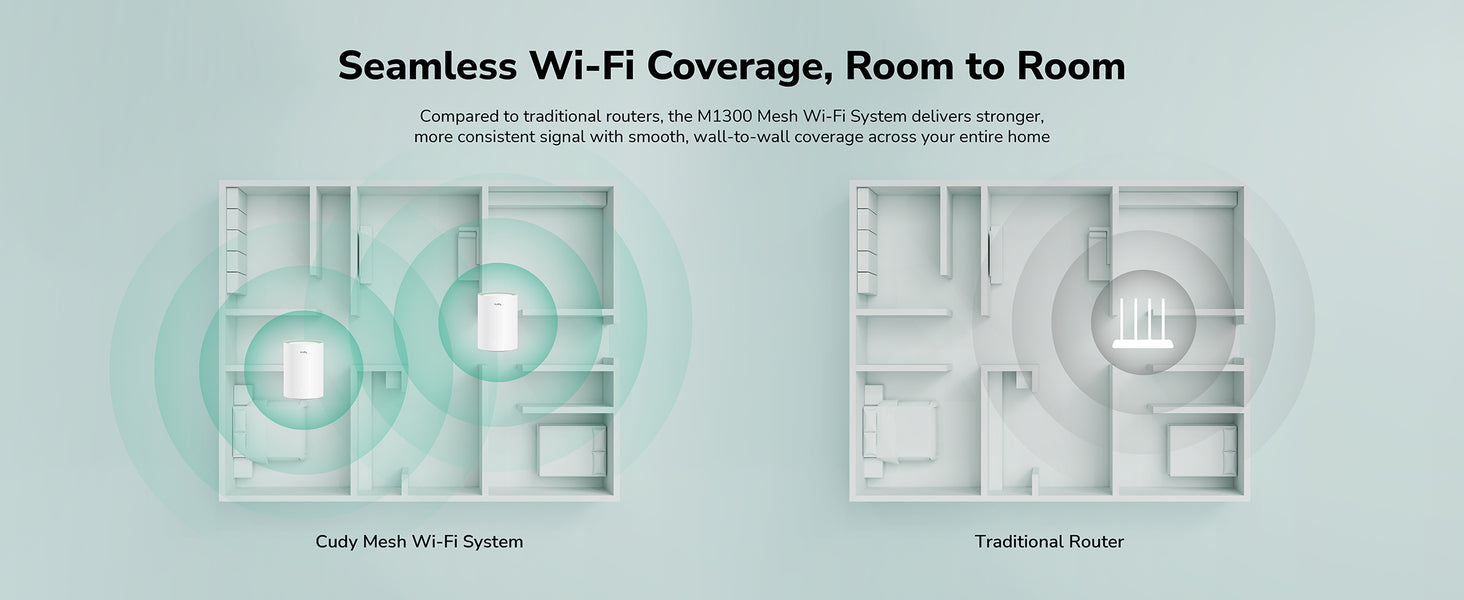
Mesh networks are designed to provide seamless Wi-Fi coverage across large spaces. They use multiple devices, or nodes, working together to spread the signal evenly. This system helps to eliminate dead zones and maintain a strong connection throughout your home or office.
Understanding how mesh networks operate and where they work best helps in choosing the right setup for your needs.
How Mesh Systems Work
A mesh network consists of a main router and several satellite nodes. These nodes communicate with each other to share the internet connection. Each node acts as a relay point, passing data to the next node. This creates a web of connections that covers a wide area. Devices connect to the closest node, which keeps the signal strong and fast. The system automatically routes data through the best path available.
Advantages And Limitations
- Wide coverage with fewer dead spots
- Easy to expand by adding more nodes
- Simple setup and management via apps
- Devices switch nodes automatically for better signal
- Higher cost compared to traditional routers
- Requires power outlets for each node
- Performance can drop if nodes are too far apart
Best Environments For Mesh
Mesh networks suit large homes with many rooms or floors. They work well in buildings with thick walls that block signals. Offices with multiple rooms and open spaces benefit from mesh coverage. Also ideal for places where many devices connect at once. Small apartments or houses with strong signals may not need a mesh system.
Performance Comparison
Choosing between a dual band router and a mesh network often hinges on how they perform in your home or office. Let’s break down how each handles speed, coverage, reliability, and multiple devices. This will help you decide which setup fits your daily internet needs better.
Speed And Coverage
Dual band routers offer two separate frequency bands: 2.4 GHz and 5 GHz. The 5 GHz band provides faster speeds but covers a smaller area, while 2.4 GHz covers more distance but at slower speeds. If your space is small or medium-sized, a dual band router can deliver excellent speed with decent coverage.
Mesh networks, however, use multiple nodes spread around your space to create a unified Wi-Fi system. This means you get consistent speeds throughout larger homes or offices without dead zones. Have you ever moved from room to room and lost Wi-Fi signal? Mesh networks fix that by extending coverage seamlessly.
Reliability And Stability
Dual band routers work well but can struggle if many devices connect simultaneously or if walls block signals. Signal drops or slowdowns happen more often, especially on the 5 GHz band. Your experience might feel smooth at first but can degrade as you add more gadgets.
Mesh networks excel in reliability because each node communicates with others, balancing traffic and avoiding weak spots. If one node faces interference, others pick up the slack. This self-healing feature keeps your connection stable even during busy internet hours.
Handling Multiple Devices
Dual band routers have limits on how many devices they can manage effectively. If you have a handful of smartphones, laptops, and smart home devices, they might hold up well. But once you add more, expect congestion and slower speeds on certain devices.
Mesh networks are designed to handle many devices at once without losing speed or connectivity. Each node shares the load, so your smart TV, phone, laptop, and even security cameras can run smoothly together. If your household is full of connected devices, mesh networks often provide a better experience.
Credit: www.cudy.com
Setup And Maintenance
Setting up and maintaining your home network can be a decisive factor between choosing a dual band router or a mesh network. Both options come with their unique challenges and advantages in terms of installation and ongoing care. Understanding these differences helps you manage your internet smoothly and avoid unnecessary headaches.
Installation Process
Dual band routers are generally simple to set up. You plug in the device, connect it to your modem, and follow straightforward prompts on a web interface or app. The entire process often takes less than 20 minutes.
Mesh networks require a bit more effort initially because you need to place multiple nodes around your home. Each node must be positioned carefully to ensure strong signal coverage. However, many mesh systems offer guided setup through apps that help you find the best spots for each unit.
Do you have a large or multi-story home? If yes, the mesh network setup, while longer, might save you from dead zones later on.
User-friendly Features
Dual band routers typically come with basic features like guest networks and parental controls. However, these functions might require manual configuration, which can be tricky if you’re not tech-savvy.
Mesh networks usually excel in user-friendly design. The apps that accompany them often include automatic updates, device prioritization, and easy-to-understand performance reports. You can control your network settings from anywhere, making it convenient if you’re frequently on the go.
Have you ever struggled to change your Wi-Fi password or limit internet time for kids? Mesh systems often simplify these common tasks dramatically.
Ongoing Management
With dual band routers, ongoing management often means checking for firmware updates manually and troubleshooting occasional connectivity issues yourself. If you’re comfortable with technology, this might not be a problem.
Mesh networks reduce management stress by automating many maintenance tasks. They update themselves, optimize connections, and alert you to issues via the app. This hands-off approach can save you time and frustration.
Which approach fits your lifestyle better? Are you okay with occasional manual tweaks, or do you prefer a mostly set-it-and-forget-it system?
Cost And Value Analysis
Understanding the cost and value of Dual Band Routers versus Mesh Networks can help you make a smarter choice for your home or office setup. Both options serve to improve your internet experience but differ widely in price and long-term benefits. Let’s break down these financial aspects so you can decide which fits your needs best.
Initial Investment
Dual Band Routers usually come with a lower upfront cost. You can find quality models priced between $50 and $150. This makes them accessible if you want strong Wi-Fi without spending much at the start.
Mesh Networks, on the other hand, demand a higher initial spend. A basic mesh system often costs $200 to $400 for a set of units. This might feel steep but consider that one system can cover a much larger area without extra devices.
Long-term Expenses
With Dual Band Routers, you might face additional costs if your coverage needs grow. Adding range extenders or upgrading to a more powerful router can add up over time. Also, troubleshooting connectivity dead zones might require extra spending.
Mesh Networks tend to minimize those future expenses. Their design lets you easily add more units to expand coverage without replacing the entire system. Plus, firmware updates typically improve performance and security without any cost to you.
Value For Different Users
If your internet use is basic—like browsing or streaming in a small space—a Dual Band Router offers excellent value. You get solid speeds at a budget-friendly price.
For larger homes, multiple floors, or areas with many devices, a Mesh Network provides better value despite the higher price. It ensures consistent Wi-Fi in every corner, reducing frustration and interruptions.
Ask yourself: Is the convenience of seamless coverage worth the upfront cost for your setup? Your answer will guide you to the best investment for your Wi-Fi needs.
Security Features
Security plays a key role in choosing between a dual band router and a mesh network. Both options offer different layers of protection to keep your data safe. Understanding these security features helps you pick the right system for your home or office.
Built-in Protections
Dual band routers usually include basic security features like WPA3 encryption and firewalls. These protect against unauthorized access and common cyber threats. Mesh networks often add extra safeguards by using multiple access points. This spreads security across your entire network, reducing weak spots.
Update And Support
Regular software updates fix security flaws and improve performance. Mesh networks tend to receive more frequent updates due to their advanced technology. Dual band routers also get updates but sometimes less often. Choosing a device with good manufacturer support ensures ongoing protection.
Privacy Considerations
Data privacy depends on how your router handles information. Mesh systems may collect more data for network optimization. Dual band routers usually keep data handling simpler. Always review privacy policies and settings to control what information your network shares.
Choosing The Right Option
Choosing between a dual band router and a mesh network depends on your home size and internet needs. Dual band suits smaller spaces, while mesh works best for larger areas with many devices. Consider coverage and speed before deciding.
Choosing the right internet setup can significantly impact your online experience. Whether you’re streaming your favorite shows or working from home, a reliable network is essential. The choice between a dual-band router and a mesh network depends on various factors that align with your specific needs.Assessing Your Needs
Before making a decision, consider what you need from your network. Are you a heavy gamer requiring low latency, or do you need robust parental controls for a family-friendly setup? Dual-band routers often offer the basics with added features for specific needs. If you have a large household with multiple users, a mesh network may offer more consistent coverage.Space And Layout Factors
The size and layout of your home play a crucial role in determining the best setup. A dual-band router works well for smaller spaces with fewer walls. However, if you live in a multi-story home, a mesh network provides seamless coverage across all areas. Think about whether you experience dead zones and how a mesh network could eliminate these gaps.Future-proofing Your Network
With technology constantly evolving, it’s wise to consider future needs. A dual-band router might suffice now but may require upgrades as technology advances. A mesh network, on the other hand, is easily expandable. You can add more nodes to increase coverage as your needs grow, making it a smart long-term investment. Choosing between a dual-band router and a mesh network isn’t a one-size-fits-all decision. Reflect on your current and future needs, space requirements, and how you use the internet daily. This thoughtful approach will guide you to the best choice for your household.
Credit: www.flashrouters.com
Frequently Asked Questions
What Is The Difference Between Dual Band Router And Mesh Network?
A dual band router offers two frequency bands for devices, while a mesh network uses multiple devices to cover larger areas. Mesh networks provide seamless coverage, whereas dual band routers focus on faster speeds within a limited range.
Which Is Better For Large Homes: Dual Band Or Mesh?
Mesh networks are better for large homes due to wider coverage and consistent signal strength. Dual band routers may struggle with dead zones in bigger spaces, making mesh systems ideal for seamless connectivity.
Can Dual Band Routers Support Multiple Devices Effectively?
Yes, dual band routers can support multiple devices by separating traffic on two bands. However, performance may drop with many devices, unlike mesh networks that distribute load efficiently across nodes.
Is Setting Up A Mesh Network Complicated Compared To Dual Band Routers?
Mesh networks are generally easy to set up with user-friendly apps and guided steps. Dual band routers are simpler but may require manual adjustments for optimal performance in larger areas.
Conclusion
Choosing between a dual band router and a mesh network depends on your home size and needs. Dual band routers work well in small spaces with fewer devices. Mesh networks cover large areas and keep Wi-Fi strong everywhere. Both have their strengths and suit different users.
Think about your budget and internet use before deciding. Good Wi-Fi makes a big difference in daily life. Pick the setup that fits your home best. Simple and steady internet is what everyone wants.