Are you tired of slow internet and constant buffering? Imagine a WiFi connection that is faster, more reliable, and less crowded.
That’s exactly what WiFi 6E promises to deliver. But how does WiFi 6E work, and why should you care? You’ll discover the simple secrets behind this powerful technology and how it can transform your online experience. Keep reading to unlock the future of wireless internet and make your devices work smarter for you.
Wifi 6e Basics
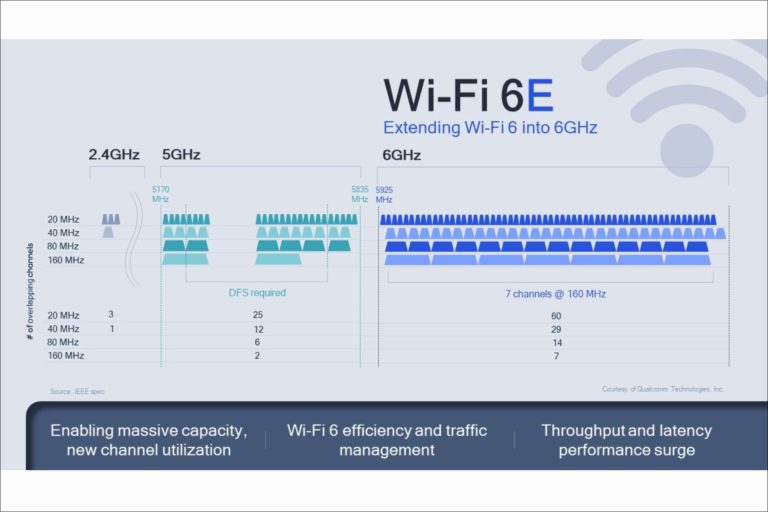
WiFi 6Eadds a new band to the WiFi family. It uses the 6 GHz spectrum, which is less crowded than older bands. This means faster speeds and less interference.
The 6 GHz bandprovides more channels. Devices can send more data at once without slowing down. This helps in busy places like apartments or offices.
Not all devices work with WiFi 6E yet. Only newer deviceswith special chips can use the 6 GHz band. Older devices still use 2.4 GHz and 5 GHz bands.
- More space in 6 GHz means better performance
- Less interference from other devices
- Supports many devices at the same time
- Needs compatible routers and devices
Technical Features
Wider channelsallow Wifi 6E to carry more data at once. This means faster internet speeds and less delay. The new 6 GHz band gives extra space for these wider channels.
Advanced modulation techniqueshelp Wifi 6E send data more efficiently. It uses a method called 1024-QAM to pack more information into each signal. This improves overall speed and performance.
Wifi 6E also uses improved MU-MIMO and OFDMA. MU-MIMO lets the router talk to many devices at the same time. OFDMA divides channels into smaller parts for multiple users. This reduces waiting time and makes connections smoother.
Performance Benefits
Wifi 6Euses a new frequency band called 6 GHz. This helps devices send and receive data much faster. Users can enjoy higher speedsfor downloads and streaming.
The technology reduces latency, which means less delay in communication. This is great for video calls and online games. The connection feels smoother and more stable.
Wifi 6E also supports more devices at once. It has better network capacity, so many users can connect without slowing down the internet. This makes it ideal for busy homes or offices.
Credit: www.eweek.com
Real-world Applications
Wifi 6E makes online gaming smoother. It reduces lag and delays. Better speed means games load faster. Streaming movies and shows is now much clearer. No more buffering or waiting. The new technology handles more devices easily. Everyone can enjoy their favorite content at the same time.
Smart homes need strong connections. Wifi 6E helps connect many devices. Lights, cameras, and speakers all work better. Sensors and smart gadgets respond quickly. Energy use is more efficient. This technology enhances everyday living. It brings ease and comfort to smart homes.
Businesses benefit from Wifi 6E. It supports more users without issues. Public places like malls and airports stay connected. People can use their devices freely. Work and leisure activities run smoothly. It makes sharing and accessing data simple and effective.
Challenges And Limitations
Understanding Wifi 6E involves recognizing its challenges and limitations. Devices must support the 6 GHz band to benefit. Dense environments can still cause interference, impacting performance. Compatibility issues may arise with older devices, limiting connectivity.
Device Support And Adoption
Many devices do not yet support WiFi 6E. This limits how widely it can be used. Older gadgets cannot access the new 6 GHz band. Users need to buy new devices to enjoy WiFi 6E benefits. Adoption takes time as people replace old hardware.
Range And Interference Issues
The 6 GHz band has shorter rangethan older bands. Walls and objects block signals more easily. This can cause weaker connections in some areas. Interference from other electronics can also affect performance.
Regulatory Constraints
Different countries have varied rules on 6 GHz spectrumuse. Some places allow full access, others restrict parts of the band. This creates inconsistent availabilityworldwide. Device makers must adjust products for each region.

Credit: www.reddit.com
Future Of Wifi 6e
Wifi 6Eadds a new 6 GHz bandfor faster and less crowded connections. This extra space helps devices avoid interference and work better.
The future of Wifi 6Eincludes integration with Wifi 7. Wifi 7 will build on Wifi 6E’s 6 GHz band, offering even more speed and capacity. This means smoother video calls and faster downloads.
Expanding 6 GHz usageallows more devices to connect at once. It reduces lag and helps in busy places like offices and homes.
The impact on wireless connectivityis clear. With less traffic on Wifi networks, users get a stable and quick internet experience. More devices can work well together without slowing down.
Credit: www.cisco.com
Frequently Asked Questions
What Is Wifi 6e And How Does It Differ?
WiFi 6E extends WiFi 6 into the 6 GHz band. It offers less interference and higher speeds. This improves performance for many devices in crowded areas.
How Does Wifi 6e Improve Internet Speed?
WiFi 6E uses wider channels and less crowded spectrum. It supports faster data rates and lower latency. This results in smoother streaming and quicker downloads.
Is Wifi 6e Compatible With Older Devices?
No, WiFi 6E requires new hardware supporting the 6 GHz band. Older devices cannot access WiFi 6E frequencies but can still use older WiFi bands.
What Devices Benefit Most From Wifi 6e?
Devices needing fast, low-latency connections benefit most. This includes gaming consoles, VR headsets, and 4K/8K streaming devices. WiFi 6E enhances these experiences significantly.
Conclusion
Wifi 6E uses new frequency bands to give faster internet. It helps reduce traffic and makes connections more stable. Devices can send and receive data without much delay. This means smoother video calls and quicker downloads. More people can connect at the same time without problems.
Wifi 6E works well for homes and busy places alike. Understanding how it works helps you choose the right tech. It brings better online experiences for everyone.