Are you struggling with slow Wi-Fi in your large house? You’re not alone.
When your home is big, a single router often can’t cover every corner. That’s where Eero nodes come in. But how many do you really need to keep your connection strong everywhere? Finding the right number can feel tricky, and getting it wrong means dead zones and frustrating drops.
You’ll discover exactly how to choose the perfect number of Eero nodes for your space. Keep reading to enjoy fast, reliable Wi-Fi in every room without wasting money on extra devices.
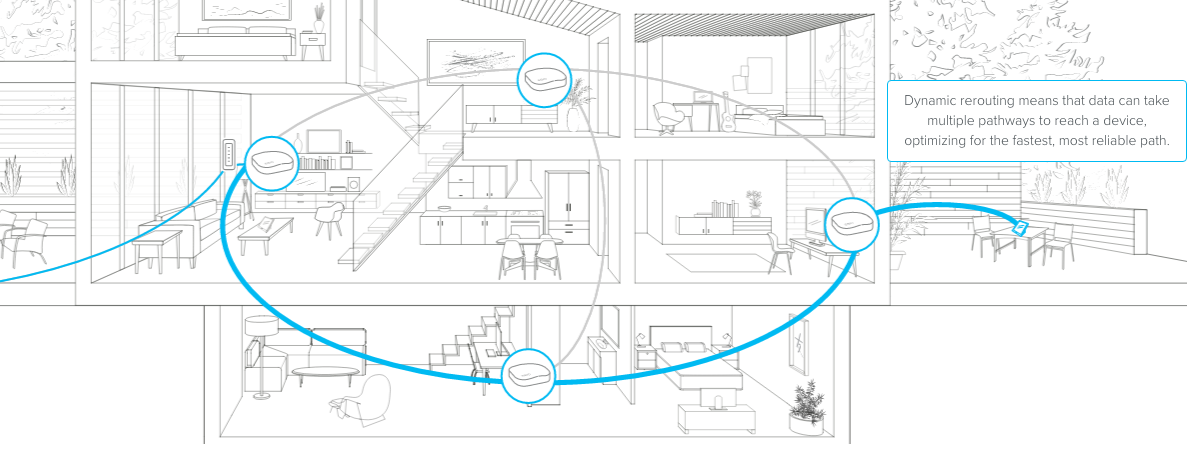
Credit: blog.eero.com
Factors Affecting Node Count
Choosing the right number of Eero nodes depends on several factors. These factors influence how well your Wi-Fi covers your house.
Understanding these factors helps you plan better and avoid weak Wi-Fi spots in large homes.
House Size And Layout
The size of your house is the main factor in deciding how many nodes you need. Large homes need more nodes to cover all areas.
The layout also matters. Open floor plans allow Wi-Fi signals to travel farther. Multiple floors or many rooms can block signals and need more nodes.
Wall Materials And Obstacles
Walls and obstacles affect Wi-Fi strength. Some materials block signals more than others.
| Material | Impact on Signal |
| Drywall | Low |
| Brick | Medium |
| Concrete | High |
| Metal | Very High |
| Glass | Low to Medium |
Large furniture and appliances can also block or weaken signals. Place nodes to avoid these obstacles for better coverage.
Internet Usage And Devices
The number of devices and how you use the internet affects node needs. More devices require more nodes to keep speeds fast.
- Streaming videos and gaming use more bandwidth
- Many smart home devices need constant connection
- Work from home setups need stable Wi-Fi
Plan your node count based on your internet habits and device count for the best Wi-Fi experience.

Credit: blog.eero.com
Eero Node Types
Eero nodes are essential for expanding Wi-Fi coverage in large houses. They come in different types, each offering unique features and compatibility options.
Understanding the differences between Eero 6 and Eero Pro can help you make an informed decision when selecting nodes for your home.
Eero 6 Vs Eero Pro
The Eero 6 and Eero Pro are two popular types of Eero nodes. Each offers distinct features that suit different needs.
Compatibility And Features
Compatibility and features are crucial factors when choosing Eero nodes. The Eero 6 and Eero Pro differ in these aspects.
- Eero 6 is compatible with Wi-Fi 6 devices.
- Eero Pro supports tri-band connectivity.
- Eero 6 is more affordable than Eero Pro.
- Eero Pro offers higher speed and coverage.
| Feature | Eero 6 | Eero Pro |
| Wi-Fi Standard | Wi-Fi 6 | Tri-band |
| Price | Lower | Higher |
| Coverage Area | Good | Best |
Recommended Nodes For Large Homes
Large homes need strong Wi-Fi to cover every room. Eero nodes help spread Wi-Fi evenly. Choosing the right number of nodes avoids dead spots.
This guide explains how much area one node covers. It also shows how many nodes a large house may need.
Coverage Area Per Node
Each Eero node covers about 1,500 square feet on average. Walls and floors can reduce this range. Open spaces get better coverage than rooms with many walls.
- One node covers about 1,500 sq ft in open areas
- Thick walls lower coverage to 1,000 sq ft or less
- Multiple floors need more nodes for full coverage
- Outdoor or basement areas may need extra nodes
Typical Node Counts By Square Footage
The number of Eero nodes depends on your home’s size and shape. Use this table to find a good starting point for large houses.
| Home Size (Square Feet) | Recommended Nodes |
|---|---|
| 2,000 – 3,000 | 2 – 3 nodes |
| 3,000 – 4,500 | 3 – 4 nodes |
| 4,500 – 6,000 | 4 – 5 nodes |
| 6,000+ | 5 or more nodes |
Placement Tips For Optimal Coverage
Setting up Eero nodes correctly is key to strong Wi-Fi in large homes. Proper placement helps avoid dead spots and slow connections.
This guide covers tips on where to place your Eero nodes for the best signal across your whole house.
Central Locations
Place each Eero node in a central spot within the area it needs to cover. This reduces distance and improves signal strength.
- Locate nodes near the middle of rooms or floors
- Keep nodes out in the open, not hidden in cabinets
- Avoid placing nodes near walls that lead outside
- Use a separate node for every 1,500 square feet
Avoiding Interference
Other electronics can block or weaken Wi-Fi signals. Keep your Eero nodes away from these devices for better coverage.
| Common Interference Sources | Distance to Keep |
| Microwaves | At least 3 feet |
| Bluetooth Devices | 2 feet |
| Baby Monitors | 3 feet |
| Wireless Phones | 2 feet |
| Thick Walls or Metal Objects | Place nodes away if possible |
Multi-story Homes
In homes with multiple floors, place nodes on different levels to spread the Wi-Fi evenly.
- Put one node on each floor
- Place nodes near stairwells for better vertical coverage
- Make sure nodes are not stacked directly above each other
- Keep nodes away from large metal appliances and thick walls
Performance Testing And Adjustments
Ensuring your Eero nodes work well in a large house needs testing. Adjustments can help improve signal coverage and internet speed.
Performance testing checks if all areas in the house have strong Wi-Fi. Adjustments might be needed if some rooms have weak signals.
Using The Eero App
The Eero app helps manage your network easily. You can see which devices are connected and check their speeds.
Use the app to test signal strength in different rooms. This helps identify any weak spots in your house.
Signal Strength Indicators
Signal strength is important for a good internet connection. Use your device to check Wi-Fi bars in each room.
If the signal is weak, consider adjusting the placement of your Eero nodes. Strong signals mean faster internet.
- Check Wi-Fi bars on your phone
- Test internet speed in different rooms
- Identify weak spots for improvements
Adding Or Moving Nodes
Adding more nodes can help cover larger areas. Place them strategically for the best coverage.
Move nodes to new locations if needed. This helps enhance the overall network performance.
| Node Placement | Effect |
| Central location | Balanced coverage |
| Near thick walls | Reduced signal |
| Open spaces | Better signal distribution |
Cost Considerations
Setting up Eero nodes in a large house needs careful thought about costs. You will spend more as you add more nodes.
Knowing how to budget can help you get the best Wi-Fi coverage without overspending.
Budgeting For Multiple Nodes
Each Eero node has a price, so buying many increases total cost. Plan how many you need based on your house size.
Think about where Wi-Fi is weak and add nodes only there. This avoids buying extra units you don’t need.
- Check the price per node before buying
- Estimate the number of nodes for full coverage
- Buy nodes in sets to save money
- Consider future expansion costs
Value Of Upgrading Nodes
Newer Eero nodes offer better speed and coverage. Upgrading can improve your network performance.
Think about the cost of replacing old nodes versus the benefit of faster internet and fewer dead spots.
- New nodes often support faster Wi-Fi standards
- Upgrades can reduce the number of nodes needed
- Improved technology means better reliability
- Consider long-term savings on fewer devices
Alternatives And Enhancements
For a large house, adding more Eero nodes can improve Wi-Fi coverage. There are other ways to enhance your network too. These methods help improve speed and reduce dead zones.
Using wired connections and adding extra devices can make your mesh network stronger. You can also mix different devices to fit your home setup.
Using Wired Backhaul
Wired backhaul means connecting Eero nodes with Ethernet cables. This reduces wireless traffic between nodes. It helps keep the Wi-Fi fast and stable across your home.
Wired backhaul works well in houses with Ethernet ports or where you can run cables easily. It improves speed without adding more nodes.
- Connect nodes using Ethernet cables
- Reduces wireless interference
- Improves network speed and reliability
- Best for homes with existing wiring
Mesh Network Extensions
You can add more Eero nodes to extend coverage in big homes. Place nodes in areas with weak Wi-Fi signals. This fills dead spots and keeps devices connected.
Adding nodes is easy and helps cover multiple floors. Make sure nodes are not too far from each other to keep a strong connection.
- Place nodes on different floors
- Keep nodes within range of each other
- Use nodes to cover large rooms and hallways
- Helps with many connected devices
Third-party Devices
You can use other devices with your Eero system. Some routers and access points support mesh features compatible with Eero. This adds flexibility in your network setup.
Third-party devices may require manual setup. They can help cover unusual house layouts or add features like extra Ethernet ports.
- Use compatible mesh routers or access points
- Check device compatibility with Eero
- Manually configure settings if needed
- Expand network features beyond Eero nodes

Credit: www.amazon.ca
Frequently Asked Questions
How Many Eero Nodes Cover A Large House?
For a large house, 3 to 5 Eero nodes are recommended. This ensures strong Wi-Fi coverage and smooth connectivity throughout all rooms.
Can One Eero Node Cover A Large Home?
One Eero node is insufficient for large homes. Multiple nodes are needed to eliminate dead zones and provide consistent speed everywhere.
What Factors Affect The Number Of Eero Nodes Needed?
House size, wall thickness, and device usage impact the number of Eero nodes required. Larger spaces and dense walls need more nodes.
How To Place Eero Nodes In A Large House?
Place Eero nodes evenly across the house. Avoid obstacles and keep nodes within 30 feet for optimal mesh coverage.
Conclusion
A large house needs several Eero nodes for full Wi-Fi coverage. Place nodes in different rooms and floors to avoid dead spots. Start with three nodes and add more if signals weaken. Each home is unique, so test your Wi-Fi strength often.
Good placement helps your devices stay connected smoothly. This way, streaming, gaming, and browsing stay fast everywhere. Choose the right number of nodes to fit your home size. Enjoy strong Wi-Fi in every corner without interruptions.