Are you tired of unwanted devices slowing down your Tri Band router? Blocking a MAC address is a simple way to take control of your network and boost your internet speed.
In this guide, you’ll learn exactly how to block a MAC address on your Tri Band router step-by-step. Whether you want to keep freeloaders off your Wi-Fi or improve your home network’s security, this article will show you how to do it quickly and easily.
Keep reading to take charge of your router and protect your connection like a pro.
Credit: helpdeskgeek.com
Accessing Router Settings
Accessing your tri band router settings is the first step to block a MAC address. You need to enter the router’s control panel to manage device connections. This panel holds all options to customize your network security.
The router interface works through a web browser. Connecting to it requires your device to be on the same network as the router. Once connected, you can log in using your credentials.
Connecting To The Router Interface
Start by opening a web browser on your computer or phone. Enter the router’s IP address in the address bar. Common IP addresses include 192.168.0.1or 192.168.1.1. You can find this information on the router label or in the manual.
Make sure your device is connected to the tri band router’s Wi-Fi or via Ethernet cable. After entering the IP, press Enter. This action loads the router’s login page.
Logging In With Credentials
To access the router’s settings, input the username and password. Default login details are often “admin” for both fields. Check your router’s sticker or manual for exact info.
If you changed the password before, use the updated credentials. Forgotten passwords may require a factory reset on the router. Keep your login details safe for future use.
Locating Mac Address Filtering
Locating MAC address filtering on a tri band router is simple. It helps control device access by allowing or blocking specific MAC addresses. Finding this feature requires navigating through the router’s settings menu. The settings may differ slightly based on the router brand, but the general path remains similar.
Navigating To Security Settings
Start by logging into your router’s admin panel. Enter the router’s IP address in a web browser. Common addresses include 192.168.0.1 or 192.168.1.1. Use your username and password to sign in. Once inside, look for the section labeled “Security” or “Advanced Settings.” This section holds important controls to manage your network safety.
Finding Mac Filtering Options
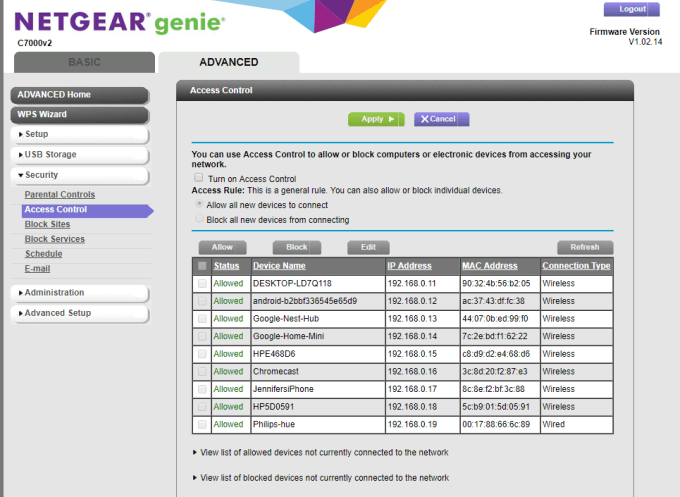
Within the security settings, search for a menu called “MAC Filtering” or “Access Control.” It may be under a tab like “Wireless” or “Network.” This area lets you add, edit, or delete MAC addresses. You can allow or block devices based on their unique identifier. Make sure to save any changes before exiting the router interface.
Adding Mac Addresses To Block List
Adding MAC addresses to the block list on your tri-band router is a powerful way to control which devices connect to your network. By specifying the unique MAC addresses, you ensure that unwanted devices cannot access your Wi-Fi, boosting your network’s security and performance.
This process involves identifying the devices you want to block and then entering their MAC addresses into the router’s settings. It might sound technical, but it’s straightforward once you know where to look and what to enter.
Identifying Devices To Block
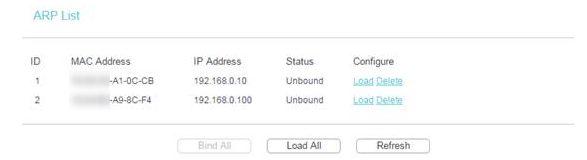
Start by figuring out which devices you want to block. Check your router’s connected devices list to see the names and MAC addresses currently connected to your network.
Sometimes device names aren’t obvious—like “Android-1234” or “Unknown.” Use clues like the device type, manufacturer, or the time it connected to decide if it should be blocked.
Ask yourself: Are there any devices I don’t recognize? Are any devices using excessive bandwidth or causing slowdowns? Target these for blocking.
Entering Mac Addresses Manually
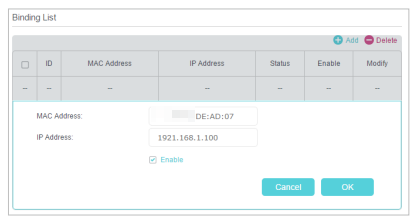
Once you have the MAC addresses, you’ll need to enter them manually into your router’s block list. Log in to your router’s admin panel, usually accessed via a browser at an IP address like 192.168.0.1 or 192.168.1.1.
Navigate to the MAC filtering or access control section. Here, you can add each MAC address you want to block by typing it in carefully. Ensure the format is correct—usually six pairs of letters and numbers separated by colons or hyphens (e.g., 00:1A:2B:3C:4D:5E).
After entering the addresses, save your settings and reboot the router if needed. This simple action can immediately stop those devices from reconnecting, giving you more control over your network.
Credit: www.tp-link.com
Saving And Applying Changes
After configuring your router to block a specific MAC address, it’s crucial to save and apply your changes. This ensures the settings take effect immediately. If not applied, your changes might be lost, and the unwanted device could still access your network. Follow these steps to secure your settings and guarantee your network’s safety.
Reviewing Block List
Check your block list before saving changes. Navigate to the MAC filtering or security section. Verify the MAC addresses you wish to block are listed correctly. Look for any typos or errors in the MAC address format. An incorrect MAC address won’t block the device successfully.
Restarting The Router
Restarting your router helps apply the new settings. Locate the power button on your router. Press it to turn off the device. Wait for a few seconds, then turn it back on. This reboot allows the router to refresh and implement the new security settings. Once restarted, double-check your network to ensure the blocked device no longer connects. This step is vital for maintaining a secure and controlled network environment.
Troubleshooting Common Issues
Troubleshooting common issues helps maintain smooth network control on your tri band router. Problems with MAC address blocking can arise from settings or device behavior. Identifying these issues early avoids network access confusion and keeps devices secure.
Mac Filtering Not Working
MAC filtering may fail if the MAC address is entered incorrectly. Double-check each character for typos or extra spaces. Some routers need MAC addresses in a specific format, like with colons or dashes. Confirm the required format in your router’s manual.
Ensure MAC filtering is enabled in the router settings. Sometimes it is turned off by default or after firmware updates. Restart the router after making changes to apply the new settings properly.
Devices with dynamic MAC addresses may bypass filtering. Some smartphones and laptops randomize their MAC addresses for privacy. Disable this feature on the device or whitelist known addresses to avoid access issues.
Access Problems After Blocking
Accidentally blocking the wrong device can cause network access problems. Check the list of blocked MAC addresses carefully before saving. Remove any device from the block list if it loses connection unintentionally.
Blocked devices may cache old network settings. Restart the affected device and router to clear cached data. This step helps the device update its network status and reconnect properly if allowed.
Interference from other network controls, like parental controls or guest networks, might affect access. Review all router settings that manage network permissions. Adjust settings to avoid conflicts with MAC filtering rules.
Tips For Effective Mac Blocking
Blocking MAC addresses on your tri-band router can significantly boost your network security by controlling which devices connect. But simply adding a MAC address to the block list isn’t enough. To make MAC blocking truly effective, you need to manage it actively and combine it with other security tools.
Regularly Updating The Block List
Network environments change quickly. Devices connect and disconnect often, and new unauthorized devices may try to access your Wi-Fi. Regularly reviewing and updating your block list ensures you don’t miss any unwelcome connections.
Try setting a reminder to check your blocked devices every couple of weeks. Remove addresses that no longer pose a threat and add new ones as needed. This keeps your list relevant and your network safer.
Have you noticed unknown devices sneaking onto your network despite previous blocks? This might mean your block list is outdated. Keeping it fresh stops persistent intruders from slipping through.
Combining With Other Security Measures
MAC blocking works best as part of a layered security approach. Relying on it alone can leave gaps. Pair it with strong Wi-Fi passwords, WPA3 encryption, and regular firmware updates for your router.
Consider enabling a guest network to isolate visitors from your main devices. This reduces the risk if someone accidentally connects an unauthorized device. Also, turn off WPS (Wi-Fi Protected Setup) to prevent easy hacking attempts.
Think about your home or office setup. Are there other weak points beyond device access? Strengthening your router with multiple security measures creates a more formidable defense against intruders.
Credit: www.tp-link.com
Frequently Asked Questions
How Do I Find The Mac Address On My Tri Band Router?
You can find the MAC address in your router’s admin panel. Log in using the IP address, usually 192. 168. 1. 1, then navigate to the device list or status page.
Can Blocking A Mac Address Improve My Network Security?
Yes, blocking unwanted MAC addresses restricts device access. It helps prevent unauthorized connections and enhances your network security by limiting devices that can connect.
Is Mac Address Filtering Effective On Tri Band Routers?
MAC filtering adds a security layer but isn’t foolproof. It can deter casual users but skilled hackers can spoof MAC addresses to bypass it.
How Many Devices Can I Block By Mac Address?
Most tri band routers support blocking dozens to hundreds of devices. The exact limit depends on your router’s firmware and brand specifications.
Conclusion
Blocking a MAC address on a tri-band router keeps your network safer. You control which devices connect to your Wi-Fi. This helps stop unwanted users from accessing your internet. The steps are easy to follow and take just a few minutes.
Regularly check your router’s settings to manage your network well. Stay aware of connected devices to avoid slow speeds or security risks. Protect your home or office network with simple actions today.