Are you curious about what’s happening behind the scenes of your Tri Band Router? Checking your router logs can give you a clear picture of your network’s activity, security, and any issues that might be slowing down your internet.
In this guide, you’ll learn simple steps to access and understand these logs, even if you’re not a tech expert. By the end, you’ll have the power to monitor your router like a pro and keep your connection running smoothly.
Ready to take control of your network? Let’s dive in.

Credit: www.amazon.ca
Access Router Settings
Accessing the router settings is the first step to check logs on your Tri Band router. This area controls all the network features and configurations. It lets you view important details about your device and network activity. You can find logs that help diagnose connection issues or monitor usage.
Before accessing the settings, ensure your computer or phone is connected to the router’s network. This connection allows you to communicate with the router’s interface, which is usually accessed through a web browser.
Connect To The Network
Make sure your device is connected to your Tri Band router’s Wi-Fi or via an Ethernet cable. Check the network name (SSID) and password if needed. Without a proper connection, you cannot access the router’s settings page.
- Turn on Wi-Fi on your device.
- Select your router’s network from the list.
- Enter the password if required.
- Confirm the connection is stable before proceeding.
Login To Router Interface
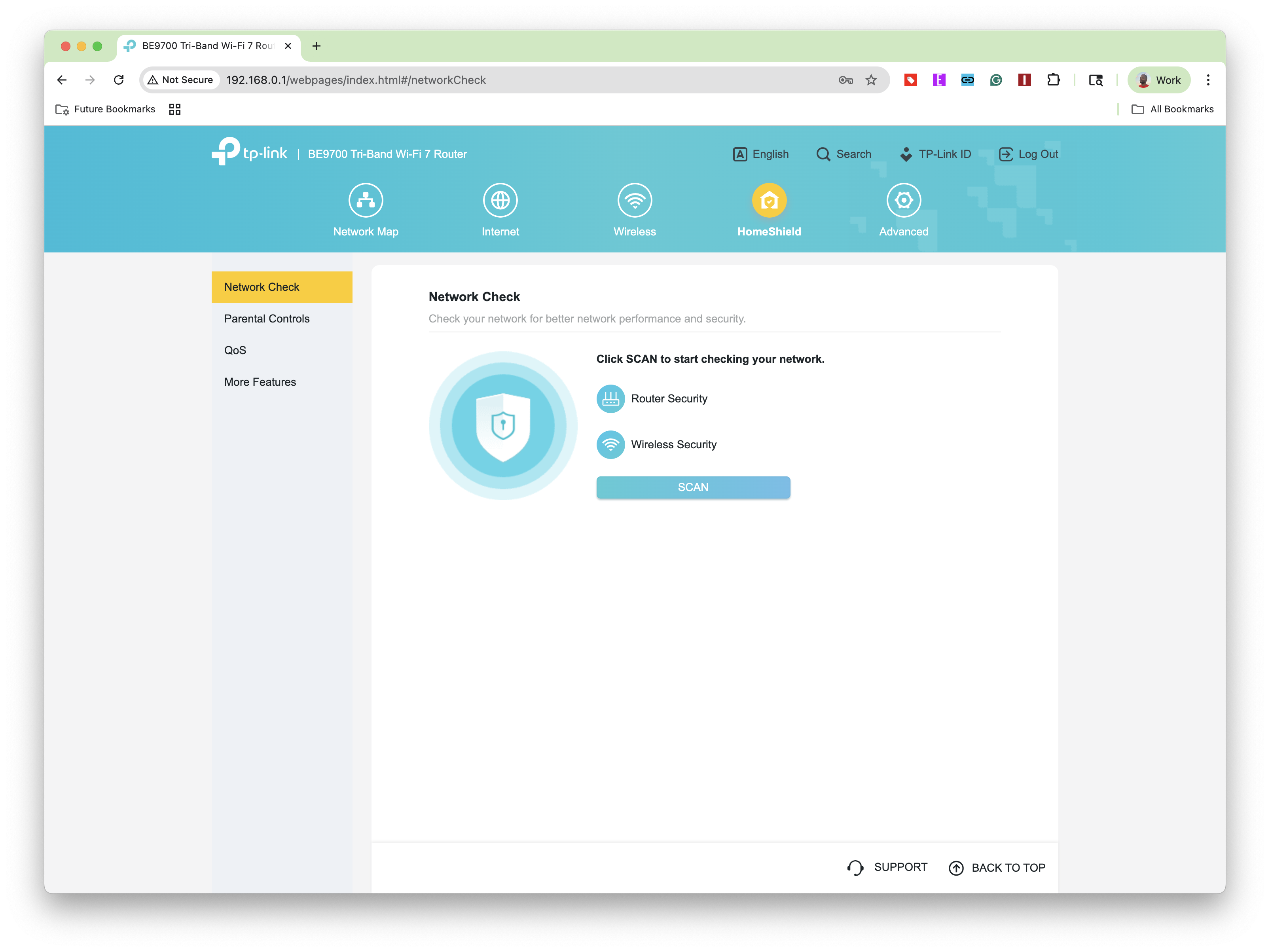
Open a web browser such as Chrome, Firefox, or Edge. Enter your router’s IP address in the address bar. Common addresses include 192.168.1.1 or 192.168.0.1. Press Enter to load the login page.
Input your username and password to access the interface. Default credentials are often “admin” for both fields, but check your router’s manual. Change the default password for security after logging in.
- Type the IP address in the browser’s address bar.
- Enter the admin username and password.
- Click the login button.
- Navigate to the logs or system section once logged in.
Locate Log Section
Finding the log section on your tri band router is the first step to check its activity. Logs help you see what is happening inside the router. They show details about connections, errors, and other events. This section guides you to locate logs easily in the router’s interface.
Navigate To System Logs
Start by logging into the router’s admin panel. Open a web browser and enter the router’s IP address, usually found on the back of the device. Use your username and password to access the settings. Look for the main menu or dashboard.
Find a tab or section named Systemor Administration. Inside, you will see an option called Logsor System Logs. Click it to open the log section. This area displays all recorded activities and messages.
Identify Log Categories
Logs are usually divided into different categories. These categories help you find specific information quickly. Common types include:
- Security Logs:Records of login attempts and firewall activity.
- Connection Logs:Details about devices connecting or disconnecting.
- System Events:Information about router updates and errors.
Check these categories to focus on the data you need. Some routers allow filtering or searching within logs. Use these tools to spot issues or monitor your network easily.
View Logs
Viewing logs on your tri band router helps track network activity and spot issues. Logs record events like connections, errors, and security alerts. Checking these logs reveals how your network performs and if any device is causing trouble.
Accessing logs is simple through your router’s admin panel. Logs show detailed records that you can analyze to maintain smooth internet access. Understanding log data improves your control over the network environment.
Real-time Monitoring
Real-time monitoring shows live updates of your router’s activity. This feature displays current connections and data flow instantly. It helps catch problems as they happen, such as sudden disconnections or unusual traffic spikes.
Many routers highlight real-time events with clear timestamps. This lets you see what devices are active right now. Use this to track bandwidth use or detect unauthorized access quickly.
Filter Logs By Date And Type
Filtering logs by date and type helps find specific events faster. You can select a particular day or range to narrow down the records. This makes it easier to review past issues or verify recent changes.
Log types often include system errors, security alerts, and connection details. Choosing a type filters out unrelated entries. This focus saves time and pinpoints the exact information you need.
Credit: www.tomshardware.com
Export And Save Logs
Access the router’s settings to view detailed logs for network activity and errors. Export these logs to save important information for later review or troubleshooting. This helps track issues and maintain your Tri Band Router’s performance efficiently.
Exporting and saving logs on your tri-band router is crucial for maintaining a seamless network experience. By regularly downloading and backing up log files, you can troubleshoot issues more effectively and ensure your network runs smoothly. Whether you’re a tech enthusiast or a casual user, understanding how to manage these logs can greatly enhance your internet stability.Download Log Files
Getting your hands on the log files is easier than you might think. Start by accessing your router’s web interface, usually through a browser. Look for the ‘System Logs’ or ‘Advanced’ section, where you can find an option to download your logs. Once you locate the option, click on it to download the files directly to your computer. Ensure you choose a file format that’s easy to read, like .txt or .log, making future reference hassle-free.Backup Logs For Future Use
Why should you bother backing up your logs? Imagine facing a network issue and having no historical data to refer to. Backing up logs regularly provides a safety net. Create a dedicated folder on your computer or an external drive to store these logs. Label them by date or event type for easy retrieval. Consider setting a reminder to back up logs at regular intervals. This proactive step can save you time and stress when troubleshooting network problems.Troubleshoot Using Logs
Router logs provide a detailed record of network activity and errors. These logs help spot problems fast. Checking logs on a tri-band router gives insights into your network’s health. You can act quickly to fix issues and keep your internet running smoothly.
Identify Connectivity Issues
Logs show connection attempts and failures. Look for repeated disconnections or timeout errors. Check if specific devices lose connection often. Logs list IP addresses and connection times. This helps find weak signals or interference. Spotting patterns in logs guides you to the root cause. Fixing these issues improves network stability.
Monitor Security Events
Router logs record security alerts and warnings. Watch for unauthorized login attempts. Logs also show firewall activity and blocked threats. Monitoring these events helps protect your network. Detect suspicious behavior early to prevent breaches. Regular log checks keep your network safe and secure.

Credit: www.esecurityplanet.com
Frequently Asked Questions
How Do I Access Logs On A Tri Band Router?
To access logs, log into your router’s admin panel via its IP address. Navigate to the “System Logs” or “Event Logs” section to view detailed logs of network activity and errors.
What Information Is Shown In Tri Band Router Logs?
Router logs display connection history, device activity, errors, security events, and firmware updates. These details help monitor network performance and troubleshoot issues.
Can I Export Tri Band Router Logs For Analysis?
Yes, most Tri Band routers allow you to export logs as a text or CSV file. This helps in detailed analysis or sharing logs with support teams.
Why Should I Regularly Check My Tri Band Router Logs?
Regularly checking logs helps identify security threats, connection problems, and device malfunctions early. It ensures your network runs smoothly and securely.
Conclusion
Checking logs on your tri band router helps you track network activity easily. It shows important details about connected devices and any issues. Accessing logs regularly keeps your network secure and running smoothly. You can spot problems early and fix them quickly.
Remember to save or clear logs as needed to keep your router clean. This simple step improves your internet experience and keeps control in your hands. Stay aware of your network by checking logs often.