Looking for a portable router that fits your needs can feel overwhelming. You want something reliable, fast, and easy to carry, but how do you know which one is truly the best for you?
Choosing the right portable router isn’t just about picking the first option you see. It’s about understanding what matters most to your lifestyle and making sure your internet stays strong wherever you go. Keep reading, and you’ll discover simple tips that will help you find a portable router that works perfectly for your daily use, travel, or remote work—without any guesswork.
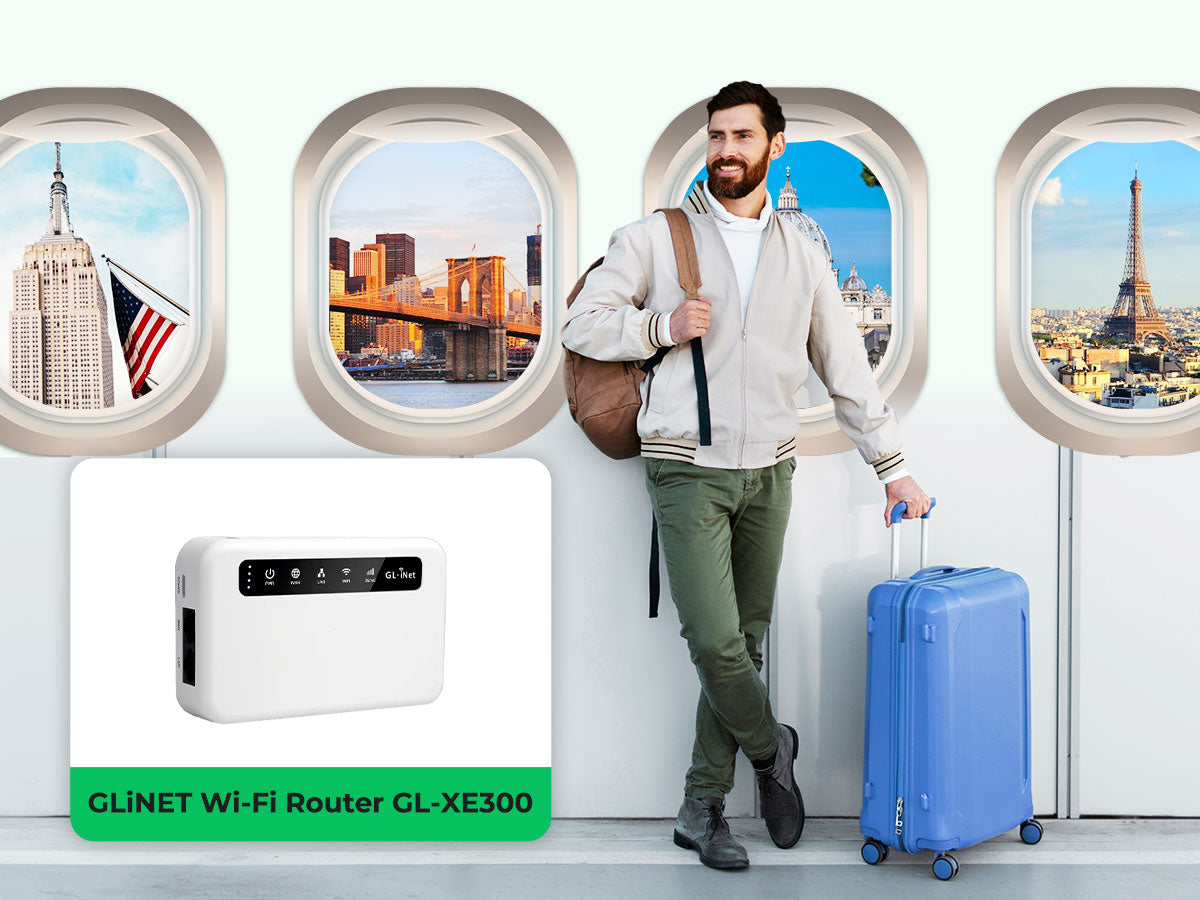
Credit: www.eiotclub.com
Key Features To Consider
Choosing the best portable router requires attention to several key features. These features affect your internet experience and device usability. Focus on factors like speed, battery life, and security. Each feature plays a role in meeting your specific needs. Understanding these aspects helps you pick the right router for travel or daily use.
Speed And Performance
Speed determines how fast your internet works. Check the router’s maximum speed rating. Higher speeds support streaming, gaming, and multiple devices. Look for routers with the latest Wi-Fi standards like Wi-Fi 6 for better performance. Avoid slow routers that cause buffering and delays.
Battery Life
Battery life impacts how long you can use the router without charging. Choose routers with long battery life for uninterrupted internet. Some models offer 8 to 12 hours or more. Consider quick charging features for convenience on the go. A weak battery limits router usefulness during travel.
Connectivity Options
Check the types of connections the router supports. Look for Ethernet ports for wired devices. USB ports allow sharing files or printers. Dual-band routers offer 2.4 GHz and 5 GHz frequencies for flexible connections. More options mean better compatibility with your gadgets.
Security Features
Security keeps your network safe from threats. Choose routers with WPA3 encryption for strong protection. Features like firewall and VPN support add safety layers. Some routers offer guest networks to separate visitors from your main network. Good security protects your data and privacy.
Portability And Size
Portability matters for travel and ease of use. Smaller routers fit easily in bags or pockets. Lightweight designs reduce carrying hassle. Check the build quality for durability during trips. A compact router is ideal for frequent travelers or remote work.
Types Of Portable Routers
Portable routers come in different types, each designed for specific uses. Choosing the right one depends on your needs, like travel, speed, or connectivity options. Understanding these types helps pick a device that fits your lifestyle and budget.
Travel Routers
Travel routers are compact and easy to carry. They create a secure Wi-Fi network from a hotel’s wired connection. Many models offer guest network features and VPN support. Ideal for frequent travelers who want safe internet access.
Mifi Devices
MiFi devices act as mobile hotspots using cellular networks. They provide internet access anywhere with cell coverage. Small and battery-powered, they connect multiple devices at once. Great for remote work or outdoor use without Wi-Fi.
Pocket Routers
Pocket routers are tiny and fit in your pocket. They can share internet from wired or wireless sources. Often battery-powered for on-the-go use. Perfect for students or professionals needing portable, flexible Wi-Fi access.
4g/5g Routers
4G/5G routers use the latest mobile networks for fast internet. They support higher speeds and lower latency than older models. Many include SIM card slots and strong antennas. Best for users wanting reliable, high-speed connections anywhere.
Compatibility And Network Support
Choosing a portable router that fits seamlessly with your devices and network is crucial for smooth internet access anywhere. Compatibility and network support ensure your router won’t just sit unused or cause frustration due to connectivity issues. Understanding these factors helps you pick a device that works well with your gadgets and network providers.
Device Compatibility
Your portable router should support all the devices you plan to connect, such as smartphones, laptops, tablets, and even smart home gadgets.
Check the router’s specifications for the maximum number of devices it can handle simultaneously. Some routers may slow down if too many devices connect at once.
Think about your future needs too—do you plan to add more devices soon? Getting a router that supports more connections than you currently need can save you from upgrading too quickly.
Network Frequency Bands
Most portable routers operate on either 2.4 GHz, 5 GHz, or both frequency bands. The 2.4 GHz band offers longer range but slower speeds, while 5 GHz provides faster speeds with shorter range.
If you move between crowded urban areas and open spaces, a dual-band router gives you flexibility to switch between bands based on your environment.
Ask yourself: do you need faster speeds for streaming or gaming, or is wider coverage more important? This will guide your choice of frequency bands.
Sim Card Support
If you want to use mobile data, ensure the router supports the SIM cards compatible with your carrier. Not all routers support every SIM size or network type.
Look for routers that offer 4G or 5G support if you need high-speed internet on the go. Some models even allow you to swap SIM cards easily, which is great for international travel.
Consider whether you need a single SIM slot or dual SIM slots for backup or multiple carriers. This feature can provide uninterrupted connectivity when you switch locations.

Credit: www.eiotclub.com
Setup And User Experience
Choosing a portable router isn’t just about specs; how easy it is to set up and use can make all the difference. A router that frustrates you during installation or has a clunky interface will quickly lose its appeal. Focusing on setup and user experience ensures you get a device that works smoothly from day one and stays hassle-free.
Ease Of Installation
Look for routers that come with clear, step-by-step guides or quick-start wizards. Some devices offer one-click setup, which saves time and avoids confusion. Have you ever struggled with complicated network settings? A router that minimizes manual input can save you from that headache.
Also, check if the router supports plug-and-play functionality. This means you can just plug it in and get online without fiddling with advanced configurations. If you need to change settings later, it should allow easy access without overwhelming you.
User Interface
The user interface (UI) is where you spend most of your time managing your router. A clean, intuitive UI helps you adjust settings quickly and understand what’s going on with your network. Avoid routers with cluttered menus or jargon-heavy labels that make simple tasks feel like a puzzle.
Good routers often use visual aids like graphs or status icons to show signal strength or connected devices. Have you found yourself lost in endless tabs or confusing options before? A straightforward UI prevents that by focusing on what you really need.
Mobile App Integration
Many portable routers now come with companion mobile apps, giving you control from your phone. This feature is handy when you’re on the move and need to tweak settings or monitor usage without a laptop. A well-designed app should offer all the essential controls, like network switching, guest access, and parental controls.
Check app reviews before buying; a poorly designed app can turn managing your router into a chore. Wouldn’t it be great to receive notifications about network issues directly on your phone? That kind of integration enhances your experience and keeps your connection reliable.
Price And Warranty Considerations
Consider both price and warranty to ensure good value and protection for your portable router. A longer warranty often means better reliability and support. Balance cost with coverage to avoid future expenses.
Choosing the best portable router involves more than just checking its features and speed. Price and warranty considerations play a crucial role in ensuring you get value for your money. A portable router is an investment, and understanding the price range and the safety net of a warranty can guide your decision-making process. Let’s delve into the different price categories and what you can expect in terms of warranty and customer support.Budget Options
When you’re on a tight budget, there are still plenty of portable routers that offer decent performance. These options typically provide basic connectivity, which is perfect for casual browsing and checking emails. You might not get the fastest speeds, but they can be reliable for light usage. Look for routers that come with a minimum one-year warranty, which can offer peace of mind. Some brands even provide online support to help you troubleshoot any issues.Mid-range Choices
If you’re willing to spend a bit more, mid-range portable routers often deliver better speed and additional features. These models usually support multiple devices, making them suitable for family use or small group meetings. Check for warranties that extend beyond one year, as this can indicate the manufacturer’s confidence in their product. Also, see if they offer customer support options such as live chat or phone support.Premium Models
For those who need top-tier performance, premium portable routers are the way to go. These models usually offer the fastest speeds, advanced security features, and support for a larger number of devices. Premium models often come with extended warranties, sometimes up to two or three years. This longer coverage can be invaluable if you’re investing a significant amount of money. Evaluate the customer service reputation of the brand, as premium models often come with priority support.Warranty And Customer Support
A good warranty can be a lifesaver if your router encounters issues. Make sure to read the fine print and understand what the warranty covers. Does it include accidental damage, or is it limited to manufacturing defects? Consider the level of customer support as well. Reliable customer service can make a big difference when you encounter problems. Look for brands that offer multiple support channels like email, chat, and phone. How quickly can they respond to your queries? This can be a deciding factor in your purchase. In the end, choosing the right portable router is about balancing price with warranty and support. How much are you willing to invest in peace of mind?Top Brands And Models In 2025
Choosing the best portable router means looking closely at the latest models and trusted brands in 2025. Technology moves fast, and knowing which routers stand out can save you time and hassle. Whether you need something powerful for work or budget-friendly for casual use, the right choice is out there waiting for you.
Best Overall
The Netgear Nighthawk M6 Proleads the pack this year. It offers lightning-fast Wi-Fi 6E speeds, excellent battery life, and solid security features. I’ve tested it during remote work sessions, and it handled multiple devices without lag or dropouts.
If you want a router that works flawlessly in almost every scenario, this is your best bet.
Best Budget
The TP-Link TL-WR902ACis perfect if you want reliable performance without spending a lot. It supports dual-band Wi-Fi and has a compact design that fits in your pocket. I used it during a weekend getaway, and it kept all my gadgets connected smoothly.
Think about how much you really need versus what you want to spend—this model strikes a great balance.
Best For Travelers
The Gl.iNet GL-MT1300 (Beryl)stands out for those frequently on the move. It supports OpenVPN and WireGuard, making it a secure choice for public Wi-Fi networks. I once connected through this router at an airport café, and it kept my data safe and my connection stable.
Are you often working from different locations? This could be the tool you need to stay protected and connected.
Best For Business Use
The Asus WL-330NULfits well in a business environment where security and reliability are non-negotiable. It offers strong encryption, multiple SSIDs for guest networks, and easy setup. I recommend it for small teams needing a dependable connection without complex hardware.
Consider how your business handles data and client privacy—this model supports both efficiently.
Tips For Maximizing Router Performance
Getting the best performance from your portable router isn’t just about buying the right device. How you use it daily makes a big difference. Small tweaks can boost speed, improve connection stability, and keep your data safer.
Optimal Placement
Where you place your portable router matters more than you might think. Keep it in a central, open spot away from thick walls and metal objects. These can block or weaken the signal, causing slow internet or dropped connections.
Try to elevate the router rather than placing it on the floor. A higher position often helps signals travel farther and clearer. Have you noticed your Wi-Fi acting up near certain spots? Moving your router even a few feet can change everything.
Firmware Updates
Updating your router’s firmware is a simple step that many overlook. Firmware updates fix bugs, improve speed, and add new features. They can even patch security holes that hackers might exploit.
Check the manufacturer’s website or app regularly for updates. If you ignore these, your router might not perform as well or stay protected. Think about the last time your phone or computer slowed down before you updated it—routers need the same care.
Security Best Practices
Keeping your portable router secure protects your personal data and devices. Change the default login name and password immediately after setup. Use strong passwords with a mix of letters, numbers, and symbols.
Also, enable WPA3 or WPA2 encryption to secure your wireless network. Turn off features you don’t use, like remote management, to reduce vulnerabilities. Would you leave your front door unlocked? Treat your router with the same caution.

Credit: esim.holafly.com
Frequently Asked Questions
What Features Matter Most In A Portable Router?
Key features include strong signal range, fast Wi-Fi speed, multiple device support, and compact design. Battery life and security options also matter. These ensure reliable, secure, and convenient internet access on the go.
How To Ensure Compatibility With Your Devices?
Check if the portable router supports your device’s Wi-Fi standards like 802. 11ac or 802. 11n. Also, verify if it works with your mobile carrier or network type for seamless connectivity.
Can Portable Routers Improve Travel Internet Access?
Yes, portable routers provide secure, reliable internet while traveling. They enable multiple devices to connect and avoid public Wi-Fi risks. Choose models with good battery life and global network support for best results.
What Is The Ideal Battery Life For Portability?
Look for routers with at least 6-10 hours of battery life. Longer battery life ensures uninterrupted internet during travel or outdoor use without frequent recharging.
Conclusion
Choosing the best portable router is easier with clear needs in mind. Focus on battery life, speed, and size. Think about how many devices will connect. Check if it supports your network type. A good portable router keeps you online anywhere.
Keep these points in mind to pick the right one. Stay connected without hassle or confusion. Portable routers make travel and work simpler. Choose smart, and enjoy fast internet on the go.