If you want to keep your Wi-Fi network private without spending extra money, hiding your SSID on a budget router is a smart move. By doing this, your network name won’t show up for everyone nearby, making it harder for strangers to connect.
You might think this is complicated or only possible with expensive devices, but that’s not true. You’ll learn simple, step-by-step ways to hide your SSID on a budget router quickly and easily. Ready to boost your home network’s security? Let’s get started.

Credit: cyberraiden.wordpress.com
Why Hide Your Ssid
Hiding your SSID, or network name, adds an extra layer of privacy to your Wi-Fi setup. It stops your router from broadcasting the network name to nearby devices. This simple action can reduce unwanted attention and help keep your internet connection more secure.
Many people think hiding the SSID makes their network invisible. It does make it harder for casual users to find your Wi-Fi. Yet, it does not make your network completely invisible to skilled attackers.
Benefits Of Ssid Concealment
- Reduces the chance of strangers seeing your network name.
- Makes your Wi-Fi less obvious in crowded areas.
- Helps prevent casual or accidental connections from unknown devices.
- Can add a basic level of security by hiding your network from simple scans.
- Supports a tidier list of available networks on devices.
Limitations Of Hiding Ssid
- Does not stop hackers with advanced tools from finding your network.
- Devices must manually enter the network name to connect.
- May cause connection issues on some devices or with guest access.
- Does not replace strong passwords or encryption methods.
- Can create confusion for family members or guests trying to connect.

Credit: www.youtube.com
Prepare Your Router
Preparing your budget router is essential before hiding your SSID. This process helps you access the router controls securely. It ensures a smooth setup without interruptions. Organizing the necessary information beforehand saves time. Focus on accessing the router settings and gathering login credentials first.
Accessing Router Settings
Start by connecting your device to the router via Wi-Fi or Ethernet cable. Open a web browser and enter the router’s IP address in the address bar. Common IP addresses include 192.168.0.1or 192.168.1.1. Press Enter to load the login page.
Ensure your device is on the same network as the router. This allows direct communication with the router interface. Look for the IP address on the back of the router or in the user manual if unsure.
Gathering Login Credentials
Find the default username and password printed on the router label. These credentials are necessary to log in to the router panel. If the defaults were changed, use the updated credentials instead.
- Check the router manual or sticker for login details
- Try common username/password combos like
admin/adminoradmin/password - Reset the router if you cannot find or remember the credentials
Having the correct login information ensures quick access to router controls. Keep this data safe for future use.
Steps To Hide Ssid
Hiding your SSID on a budget router can boost your network’s security by keeping your Wi-Fi name out of plain sight. The process is simpler than you might expect, even if you don’t have technical expertise. Let’s walk through the essential steps that help you keep your network under the radar.
Locate Wireless Settings
First, access your router’s admin panel by typing its IP address into your web browser. Common addresses include 192.168.0.1or 192.168.1.1, but check your router’s manual for specifics.
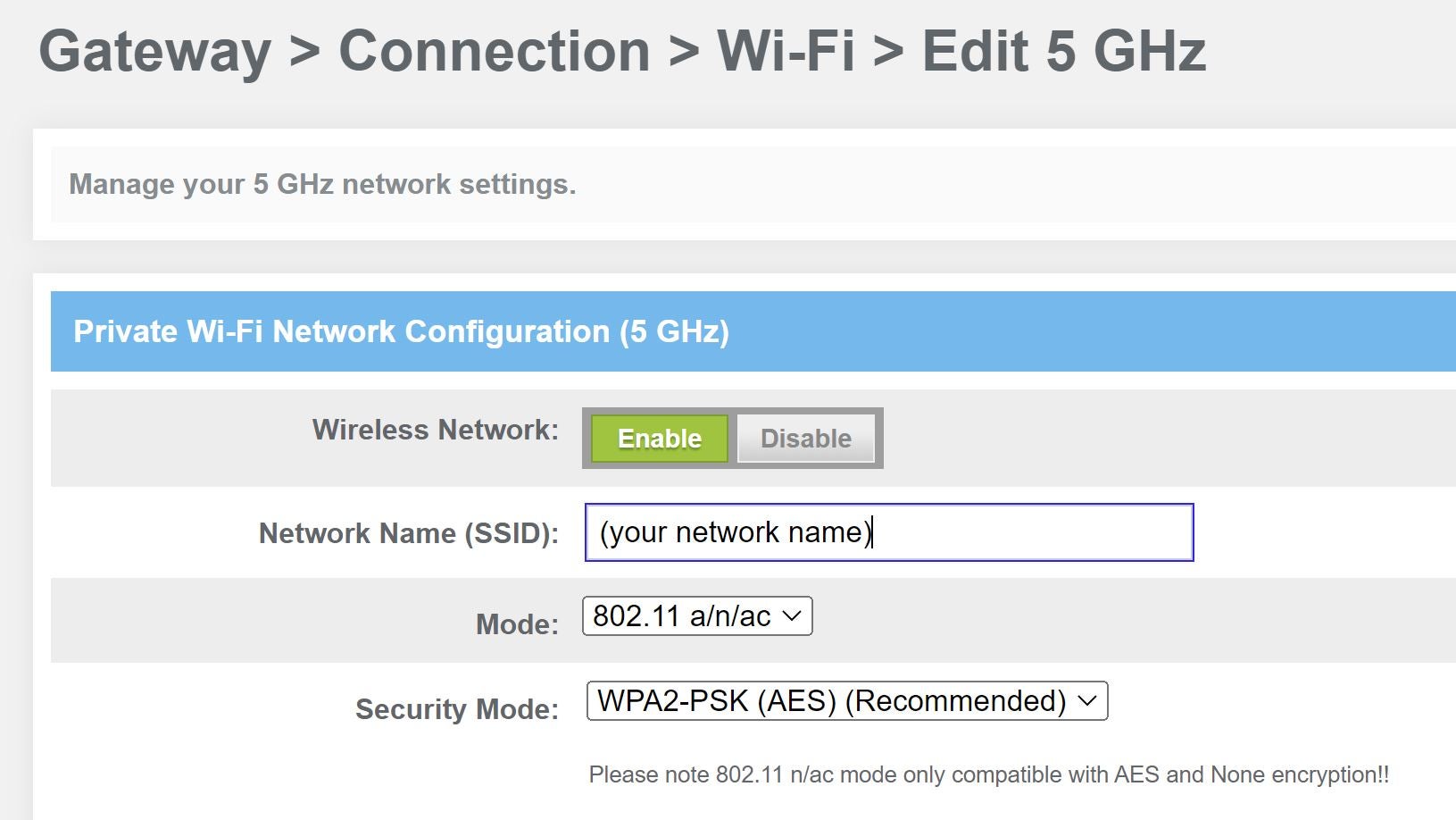
Once logged in, look for a section named Wirelessor Wireless Settings. This is where you manage your Wi-Fi network details, including the SSID.
Disable Ssid Broadcast
Inside the wireless settings, find the option labeled something like SSID Broadcastor Enable SSID Broadcast. This controls whether your network name is visible to nearby devices.
Uncheck or turn off this option to hide your SSID. This step makes your Wi-Fi invisible to casual scanners, but remember, it’s not a full-proof security measure on its own.
Save And Apply Changes
After disabling the SSID broadcast, look for a button to Saveor Applythe changes. This is crucial—if you don’t save, your router won’t update the settings.
Your router may restart or briefly disconnect devices as it applies the new configuration. Once done, your network won’t show up on the list of available Wi-Fi connections, so you’ll need to connect manually by entering the SSID and password.
Connect Devices To Hidden Network
Connecting to a hidden network requires manually entering the network name (SSID) and password. Budget routers let you hide the SSID to keep your Wi-Fi less visible to others. This simple step adds basic privacy without extra costs.
Connecting devices to a hidden network can seem challenging. Hiding your SSID keeps your network secure. But, it complicates connecting new devices. Once you know the steps, it’s simple. Let’s explore the process.Manually Adding Network On Devices
To connect, manually add the network on each device. Follow these steps:- Open your device’s Wi-Fi settings.
- Select “Add Network” or “Join Other Network.”
- Enter the exact network name (SSID).
- Choose the correct security type (e.g., WPA2).
- Enter the network password carefully.
- Save the settings and connect.
Troubleshooting Connection Issues
Problems can arise while connecting to a hidden network. Here are some solutions:- Double-check the SSID and password.
- Restart your device and try again.
- Ensure your router is within range.
- Update your device’s Wi-Fi drivers.
- Verify the router’s settings are correct.
Enhance Privacy Beyond Ssid
Hiding your SSID improves privacy but only partially protects your network. Many threats target weak points beyond just the network name. Strengthening other security areas ensures better protection. Focus on key router settings that keep intruders out and your data safe.
Changing Default Passwords
Default router passwords are well-known to hackers. Change them immediately to a strong, unique password. Use a mix of letters, numbers, and symbols. Avoid common words or simple patterns. This step blocks easy access attempts to your router settings.
Enabling Wpa3 Or Wpa2 Encryption
Encryption scrambles data sent over your Wi-Fi. WPA3 is the latest and most secure option. If unavailable, choose WPA2 for strong protection. Avoid outdated methods like WEP or WPA. Encrypted networks stop outsiders from reading your traffic.
Regular Firmware Updates
Router manufacturers release updates to fix security flaws. Check for updates regularly and install them promptly. Updated firmware closes vulnerabilities hackers exploit. It also improves router performance and adds new features. Keep your device current to maintain strong defense.
Potential Drawbacks Of Hiding Ssid
Hiding the SSID on a budget router seems like a simple way to protect your network. It stops your network name from appearing in the list of available Wi-Fi connections. Despite this, hiding the SSID has some important drawbacks. These issues can affect how your network works and how safe it really is.
Impact On Network Accessibility
Hiding the SSID makes your network harder to find. Devices must know the exact network name to connect. This can cause problems for guests or new devices. They need to enter the SSID manually, which is not always easy.
Some devices may not connect automatically to hidden networks. You might spend more time fixing connection issues. Also, certain apps or smart devices might fail to detect the hidden network. This reduces convenience and usability.
Security Misconceptions
Many believe hiding SSID improves security significantly. The truth is different. Hiding the SSID does not stop hackers from finding your network. Tools and methods exist to detect hidden networks easily.
True security relies on strong passwords and encryption. Using WPA3 or WPA2 is far more effective than hiding the SSID. Relying on hidden SSID alone can give a false sense of safety. It might lead to weaker security choices elsewhere.
Credit: www.esecurityplanet.com
Frequently Asked Questions
How Do I Hide Ssid On A Budget Router?
To hide your SSID, log into the router’s admin panel. Find the wireless settings and disable the “SSID Broadcast” option. Save changes and restart the router. This prevents your network name from appearing in Wi-Fi lists, enhancing privacy on a budget router.
Will Hiding Ssid Improve My Wi-fi Security?
Hiding SSID adds a minor security layer by obscuring your network name. However, it is not foolproof. Skilled attackers can still detect hidden networks. Combine SSID hiding with strong WPA3 or WPA2 encryption for better overall Wi-Fi security.
Can Devices Connect To A Hidden Ssid Network?
Yes, devices can connect to a hidden SSID, but you must manually enter the network name and password. Devices won’t see the network in the list, so manual setup is necessary for each device to connect successfully.
Does Hiding Ssid Reduce Wi-fi Signal Strength?
No, hiding the SSID does not affect the Wi-Fi signal strength or speed. It only stops the network name from broadcasting publicly. Your network’s performance remains the same after SSID hiding on any router.
Conclusion
Hiding your SSID on a budget router helps protect your network. It keeps your Wi-Fi name from showing to others nearby. This simple step adds a layer of security without extra cost. Remember to note your network details before hiding the SSID.
Accessing your router settings is easy with clear instructions. Stay safe by combining SSID hiding with a strong password. Small actions can improve your internet safety a lot. Try these steps today to make your Wi-Fi more private.