Are you tired of your outdoor WiFi extender acting up after every rainstorm? You’re not alone.
Many people face the frustration of unreliable internet connections whenever the weather takes a turn for the worse. But there’s good news: protecting your outdoor WiFi extender from rain is easier than you might think. By taking a few simple steps, you can ensure that your internet connection remains strong and steady, no matter what Mother Nature throws your way.
In this guide, you’ll discover practical solutions to keep your WiFi extender safe and dry. So, let’s dive in and make your connectivity weatherproof!
Credit: www.brostrend.com
Choosing Weatherproof Extenders
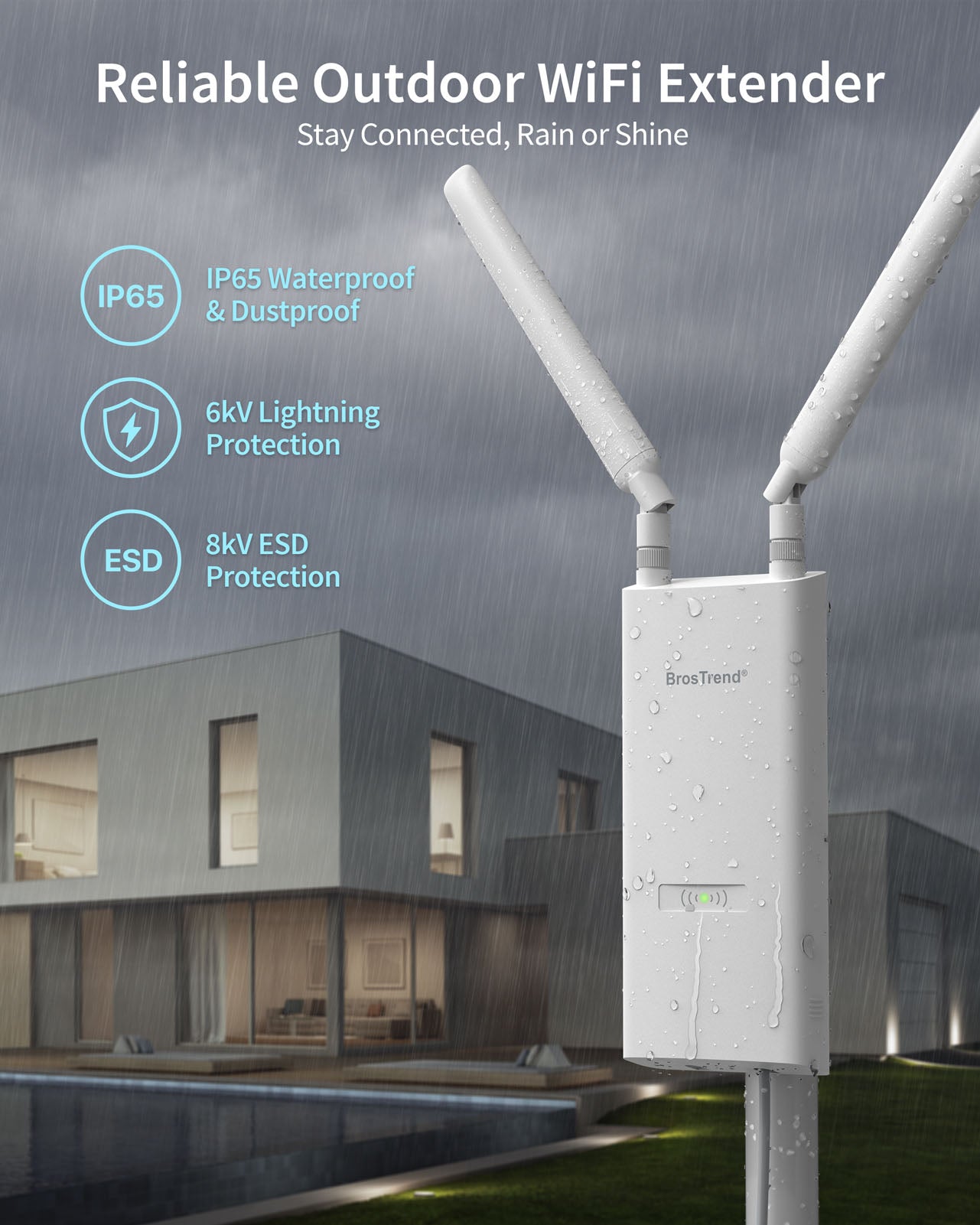
IP ratingsshow how well an extender resists dust and water. Higher ratings mean better protection. For outdoor use, choose devices with at least IP65or more. This rating ensures good resistance against rain and moisture.
Extenders made from durable materialslike ABS plasticor weatherproof metallast longer in wet conditions. These materials stop water from damaging the device. Look for models with sealed portsto keep moisture out.
| IP Rating | Protection Level |
|---|---|
| IP65 | Dust tight and water jets protection |
| IP66 | Dust tight and powerful water jets protection |
| IP67 | Dust tight and temporary water immersion safe |
- Choose extenders with water-resistant coatings
- Pick models with rubber sealson cables and connectors
- Look for corrosion-resistantmetal parts
Proper Placement Strategies
Place the outdoor WiFi extender in a spot that avoids direct rain. Avoid open areas where rain hits it directly. Use walls or corners to shield the device.
Natural shelters like trees or bushes can help protect the extender. Make sure leaves or branches do not block the signal. A roof overhang or porch also works well.
- Keep the extender off the ground to avoid water splash.
- Choose a location with good airflow to prevent moisture buildup.
- Check that the extender is still close enough for a strong WiFi signal.
Diy Protective Covers
Plastic enclosures are simple and effective for protecting outdoor wifi extenders. Choose a clear, durable plastic box that fits the extender. Drill small holes for cables and ventilation to avoid overheating. Secure the box tightly to prevent water from entering. This method keeps the device dry during rain.
Building custom shields lets you design protection that fits perfectly. Use waterproof materials like PVC or acrylic sheets. Cut panels to cover the extender on all sides but leave space for airflow. Attach the panels firmly with screws or weatherproof tape. This shield blocks rain while allowing the device to work well.

Credit: www.youtube.com
Sealing And Insulating Connections
Waterproofing cable jointsis key to keeping your outdoor WiFi extender safe from rain. Use silicone sealantaround the joint to block water entry. Wrap the joint tightly with weatherproof tapeto add extra protection. Choose tape that is UV resistantand waterproof. Overlap the tape layers well to avoid gaps.
Applying weatherproof taperequires care. Start wrapping from the cable towards the device. Keep the tape tight and smooth to prevent water from seeping in. Cover the entire joint and a bit of the cable on both sides. This creates a strong water barrier.
- Use silicone sealant before taping
- Wrap tape tightly with no gaps
- Overlap tape layers well
- Choose UV and water-resistant tape
- Cover a bit of cable on both sides
Regular Maintenance Checks
Regularly check your outdoor WiFi extenderfor any signs of damage. Look for cracks, rust, or loose parts. These issues can let water seep insideand cause problems.
Keep the extender clean by wiping off dust and dirt. Use a soft cloth and mild soap if needed. Always dry the device completelyafter cleaning.
- Check seals and covers to ensure they fit tightly.
- Remove debris around the extender to prevent water buildup.
- Avoid using harsh chemicals that might damage the casing.
- Make sure the device is mounted securely to avoid water pooling.

Credit: altelix.com
Using Surge Protectors
Using a surge protectorhelps keep your outdoor WiFi extender safe from electrical damage. Lightning can cause sudden power spikes that harm devices. A good surge protector stops these spikes before they reach your extender.
Choose a surge protector with these features:
- High joule ratingfor strong protection
- Fast response timeto block spikes quickly
- Weather-resistantdesign for outdoor use
- Grounding wire for safe energy discharge
Install the surge protector close to the extender. Connect the protector to a properly grounded outlet. This setup reduces the risk of damage during storms.
Frequently Asked Questions
How Can I Waterproof My Outdoor Wifi Extender?
Use a waterproof enclosure or weatherproof box to shield your extender. Seal all openings and use waterproof tape on cables. Position the extender under eaves or sheltered areas for extra protection against rain.
What Materials Protect Outdoor Wifi Extenders From Rain?
Weatherproof enclosures, silicone sealants, waterproof tape, and protective covers protect extenders. These materials prevent moisture from entering the device, ensuring it functions well in wet conditions.
Is It Safe To Use A Wifi Extender In Rain?
Yes, if properly protected. Using waterproof cases and positioning the device in sheltered locations ensures safety. Avoid direct exposure to heavy rain to prevent damage or connectivity issues.
Should I Install My Wifi Extender Under A Roof?
Installing under a roof or awning provides natural protection from rain. This reduces moisture exposure and prolongs the extender’s lifespan while maintaining strong signal performance.
Conclusion
Protecting your outdoor WiFi extender from rain keeps it working well. Use waterproof covers or enclosures to block water. Place the extender under eaves or sheltered spots. Seal cables and connections with weatherproof tape. Regularly check for damage or leaks.
Small steps can save you costly repairs. Enjoy strong WiFi outside, rain or shine. Stay proactive, and your extender lasts longer. Simple care brings steady internet to your outdoor space.