Are you using a budget router to keep your home or office connected? That’s smart, but have you thought about how secure it really is?
Your router is the gateway to your entire network. If it’s not protected, hackers could easily access your personal information, slow down your internet, or even take control of your devices. Don’t let that happen. You’ll discover simple, effective steps you can take right now to lock down your budget router and keep your data safe.
Keep reading—you’ll thank yourself later.
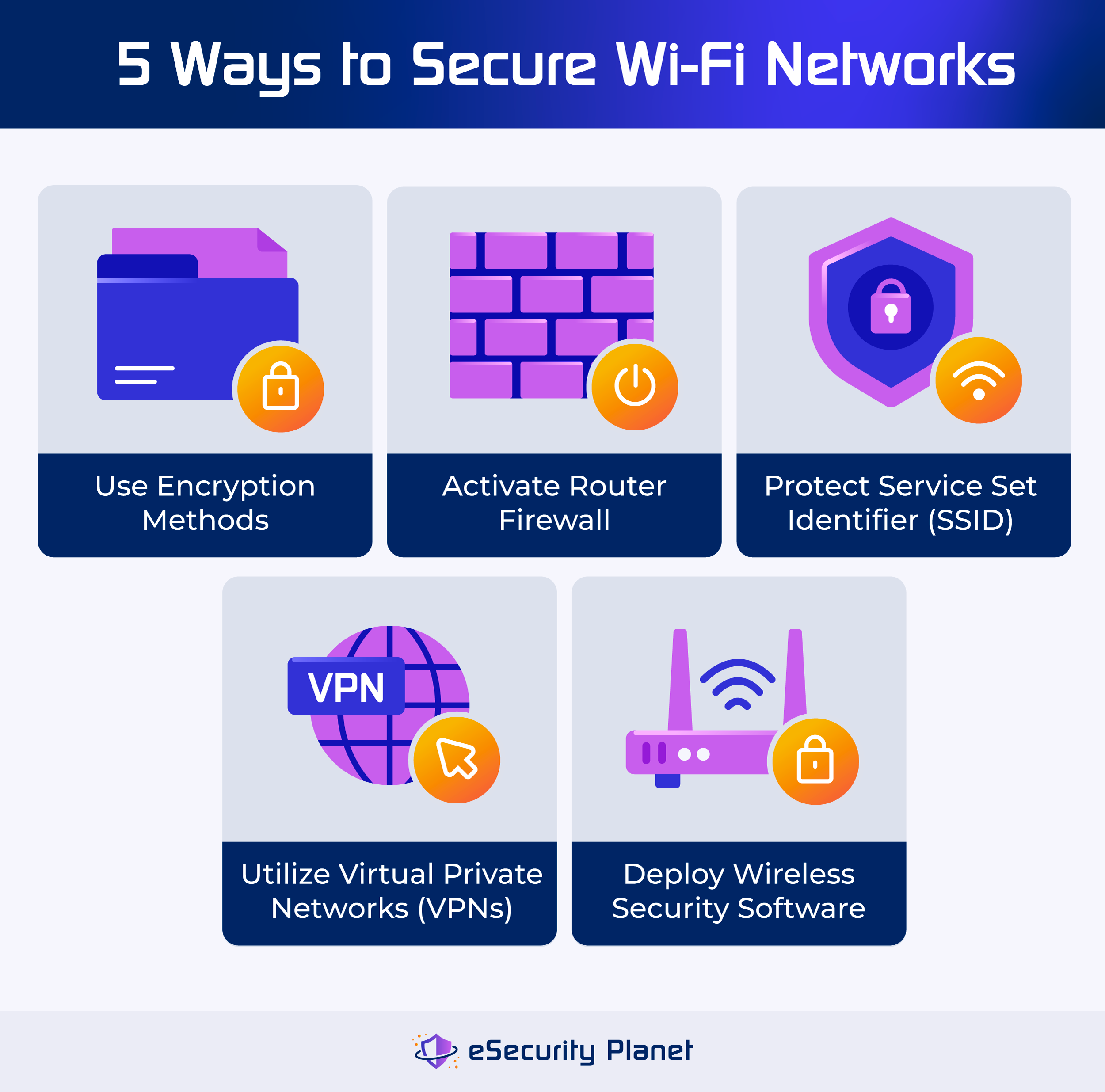
Credit: www.esecurityplanet.com
Choosing A Secure Router
Choose a router that offers regular firmware updates. These updates fix security holes and improve performance. Without updates, your router can be vulnerable to attacks.
Check for security featureslike WPA3 encryption, firewall, and guest network options. These help protect your data and control who accesses your network.
Pick a brand known for good securityand customer support. Brands with a strong reputation often provide better protection and quicker updates.
Changing Default Settings
Update default passwordsto strong, unique ones. Default passwords are easy targets for hackers. Use a mix of letters, numbers, and symbols. Change passwords regularly to keep your network safe.
Rename your network SSIDto something unique. Avoid using personal information or default names. A custom SSID makes it harder for attackers to guess your network.
- Disable WPS(Wi-Fi Protected Setup). WPS can be weak and open to attacks.
- Check your router settings to find and turn off WPS.
- This step protects your network from unauthorized access.
Configuring Network Encryption
WPA3and WPA2provide strong protection for your network. They use better encryption than older types. WEPis easy to crack and should be avoided. Many devices still use WPA2, so it is safe to use if WPA3 is not available.
Turning on a Guest Networkkeeps visitors separate from your main devices. This helps protect your personal data. Guest networks usually have their own password. It is best to change this password often.
- Use WPA3 for the best security.
- Use WPA2 if WPA3 is not supported.
- Never use WEP; it is unsafe.
- Enable a guest network for visitors.
- Change guest network password regularly.

Credit: www.esecurityplanet.com
Regular Firmware Updates
Keeping your router safe means updating its firmware often. Firmware updates fix bugs and close security gaps. They help stop hackers from getting in.
Checking for updates regularly is a smart habit. Most routers have a page in their settings to see if updates are ready. Make it a routine to visit this page monthly.
Automating firmware updates saves time and keeps your router always protected. Some routers allow you to turn on auto-update. This means the router installs updates by itself at night or when you are not using it.
- Check update pageat least once a month.
- Turn on auto-updateif your router supports it.
- Restart routerafter updates to apply changes.
- Use official websitefor manual updates if needed.
Limiting Access
Enable MAC Address Filteringto allow only known devices to connect. This stops strangers from using your network. Add the MAC addresses of your devices to the router settings. This creates a whitelist for access. It is simple and effective for small networks.
Set Up Parental Controlsto limit internet use for kids. You can block harmful sites and set internet time limits. This keeps children safe online and helps manage screen time. Most budget routers have this feature in their settings.
Disable Remote Managementto stop others from changing your router settings from outside. This protects your network from hackers. Access your router only when connected to your home Wi-Fi. Turning off this feature adds a strong layer of security.
Monitoring Network Activity
Router logs show what happens on your network. They track all devices and activities. Check them regularly to find unusual activities. Logs can help you spot problems early. Make sure your router logs important events. This keeps your network safe.
Find out which devices are on your network. Unknown devices can be a risk. List all devices and check them. Remove any you don’t recognize. Use your router’s interface to see connected devices. This helps you know who uses your network.
Alerts notify you of any changes. They warn you if new devices connect. Set alerts for unusual activity. Alerts help you act fast to fix problems. Use your router settings to turn on alerts. Stay informed to keep your network secure.
Physical Security Measures
Keep your router away from windows and doors. This prevents unwanted access. Choose a central spot in your home. It helps with better signal coverage. A high shelf is a good spot. It keeps the router out of reach. Avoid putting it in corners or closed cabinets. These places block the signal.
Only allow trusted people near your router. Lock doors to rooms with the router. This stops strangers from tampering. Consider using a cabinet with a lock. It adds another layer of security. Always keep your router’s location secret. Do not share this with everyone.

Credit: www.youtube.com
Frequently Asked Questions
How Do I Change My Budget Router’s Default Password?
Access your router’s admin page via its IP address. Locate the password settings under administration or security. Create a strong, unique password combining letters, numbers, and symbols. This prevents unauthorized access and protects your network from intruders.
What Firmware Updates Improve Budget Router Security?
Firmware updates fix vulnerabilities and add security features. Check your router’s manufacturer website regularly for updates. Always download updates directly from official sources. Keeping firmware updated helps protect against cyber threats and ensures optimal router performance.
How Can I Disable Remote Management On My Router?
Remote management allows external access, increasing hacking risks. Log into your router’s settings and find the remote management option. Disable it to restrict access to your local network only. This simple step enhances your router’s security significantly.
Should I Use Wpa3 Or Wpa2 Encryption On Budget Routers?
Use WPA3 if your router supports it; it offers stronger security. If not available, WPA2 is still secure and widely used. Avoid outdated protocols like WEP, as they are vulnerable to attacks. Strong encryption protects your Wi-Fi from unauthorized users.
Conclusion
Securing your budget router keeps your internet safe and private. Change default passwords and update firmware often. Use strong encryption like WPA3 to protect your network. Disable unused features that could create risks. Regular checks help spot problems early. A few simple steps make a big difference.
Stay alert and protect your connection daily. Safe browsing starts with a secure router.