Are you tired of buffering videos and sluggish downloads? You’re not alone.
In a world where speed is everything, your internet connection can make or break your online experience. But when it comes to choosing between a wired connection and a long-range WiFi extender, what’s the right choice for you? Let’s face it, both have their perks and pitfalls, but understanding which one truly delivers the seamless connectivity you crave can save you time, frustration, and even money.
Dive into this article to uncover the truth about wired connections versus WiFi extenders, and discover which option will truly elevate your digital life.
Credit: www.signalbooster.com
Wired Connection Basics
Wired connections offer stable and fast internet without interference. Long-range WiFi extenders can lose speed and signal quality over distance. Choosing wired means fewer drops and better performance for devices nearby.
Types Of Wired Connections
- Ethernet cablesconnect devices directly to the router.
- Fiber optic cablesoffer very fast and stable internet.
- Coaxial cablesare often used for cable internet connections.
Installation Process
Wired connections require cables to run between devices and the router. This may need drilling holes or using cable clips. The setup can take some time but is usually simple. Once connected, the devices have a stable and fast link to the internet.
Common Use Cases
- Online gaming needs low latencyand stable connections.
- Streaming high-quality video benefits from fast speeds.
- Office networks use wired connections for reliability and security.
- Smart TVs and desktop computers often work better with wires.
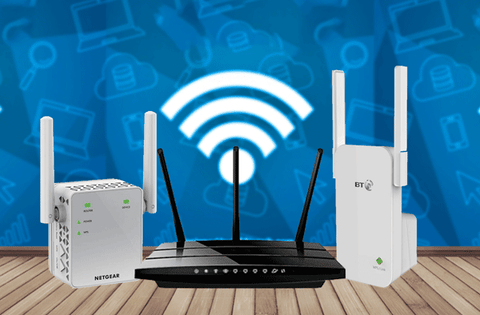
Long Range Wifi Extenders
Wired connections offer stable and fast internet with less interference than long range WiFi extenders. WiFi extenders help reach distant areas but may reduce speed and face signal drops. Choosing depends on your space and how reliable the connection needs to be.
How Extenders Work
WiFi extenderscatch the signal from your main router. They then boostand send it farther. This helps cover areas with weak WiFi. Extenders create a new network or use the same name. The speed can be slowerthan the main router. Walls and distance affect their power.
Types Of Wifi Extenders
- Repeater Extenders:Pick up and resend WiFi signals.
- Powerline Extenders:Use electrical wiring to send internet.
- Mesh Systems:Use several devices to cover big homes.
Setup And Placement Tips
- Place extenders where the WiFi is still strong.
- Avoid thick walls and metal objects nearby.
- Keep extenders between the router and weak signal areas.
- Follow the device’s setup guide for best results.
Speed And Performance
Wired connectionsgenerally have much lower latencythan long range WiFi extenders. Wired setups send data faster, giving quicker response times. WiFi extenders add delay as signals must travel farther and through devices.
Bandwidthin wired connections tends to be more stableand higher. WiFi extenders can lose speed especially with many devices or interference. This means wired is better for heavy internet use.
| Factor | Wired Connection | Long Range WiFi Extender |
|---|---|---|
| Latency | Low, consistent | Higher, variable |
| Bandwidth | High, stable | Lower, fluctuates |
| Distance Impact | Minimal | Significant drop |
| Obstacles | Little effect | Blocks and walls reduce signal |
Distance and walls affect WiFi extenders a lot. Signals weaken with each barrier. Wired connections stay strong regardless of distance within the cable limit.
Reliability And Stability
Wired connectionsoffer stable and reliableinternet without signal loss. They are less affected by signal interferencefrom walls or electronic devices.
Long range WiFi extenderscan face signal dropsdue to distance and obstacles. They depend on the main router’s signal strength, which can vary.
| Factor | Wired Connection | Long Range WiFi Extender |
|---|---|---|
| Signal Interference | Minimal, stable | High, affected by walls and devices |
| Connection Drops | Rare | Possible, especially far from router |
| Performance | Consistent and fast | Variable, depends on location |
Security Considerations
Wired networksoffer strong security by using physical cables. This limits access to the network to only those connected directly. It is harder for outsiders to tap into a wired connection without physical access.
WiFi extenderscan create security risks. They boost wireless signals but may expose the network to hackers. Signals travel through the air, making them easier to intercept. Some extenders may have weak security settings or outdated firmware.
Best security steps include:
- Use strong passwordsfor all network devices.
- Keep firmware updatedon routers and extenders.
- Enable encryptionlike WPA3 or WPA2 for WiFi.
- Disable remote managementif not needed.
- Regularly checkconnected devices for unknown users.

Credit: www.engadget.com
Cost And Convenience
Wired connections usually have higher installation expenses. Cables need to be run through walls or floors. This can require hiring a professional. Long range WiFi extenders cost less to set up. They just need to be plugged in and connected.
Maintenance requirementsdiffer greatly. Wired connections are mostly trouble-free once installed. WiFi extenders may need occasional resets or firmware updates. They can sometimes lose signal or need repositioning.
- User-friendliness:WiFi extenders are easier for most people to use.
- Wired setups require basic technical skills or professional help.
- Extenders allow more flexibility in moving devices around.
- Wired connections are more stable but less flexible.
Use Case Scenarios
Home networkingbenefits from wired connections with stable speeds. Wired links cut down interference and delays. Long range WiFi extenders help cover large homes but may drop speed. Extenders suit casual internet use like browsing or streaming.
Office environmentsoften need reliable and fast connections. Wired setups provide steady performance for video calls and file sharing. WiFi extenders can support more devices but might cause network lag. Wired is best for critical tasks.
Outdoor and large spaceschallenge WiFi signals. Extenders extend coverage over wide areas but reduce speed. Wired connections need cables, which can be hard to run outside. Extenders offer easy setup but with some speed loss.

Credit: www.reddit.com
Choosing The Right Option
Wired connections offer stable and fast internet without interference. Long range WiFi extenders boost signal but may slow speeds and face obstacles. Choosing depends on your space and speed needs.
Assessing Your Needs
Wired connectionsoffer stable and fast internet with low delay. They work best for places where devices stay in one spot. Long range WiFi extendershelp reach far rooms or outdoor areas without cables. They are easy to set up but may face signal drops or slow speeds sometimes.
Future Proofing Your Setup
Think about how many devices will connect soon. Wired connections handle many devices better without losing speed. WiFi extenders can support more devices but might slow down if too many join. Planning for future needs helps avoid frequent upgrades.
Hybrid Solutions
- Use wired connections for main devices like desktops or smart TVs.
- Use WiFi extenders to cover hard-to-wire places like patios or bedrooms.
- This mix gives strong internet everywhere with less hassle.
Frequently Asked Questions
Is A Wired Connection Faster Than A Long Range Wifi Extender?
Yes, wired connections generally offer faster and more stable speeds than WiFi extenders. Wired setups avoid signal loss and interference common in wireless systems.
Does A Wired Connection Provide Better Reliability Than Wifi Extenders?
Wired connections are more reliable because they are not affected by distance or obstacles. WiFi extenders can suffer from signal drops and interference.
Can Long Range Wifi Extenders Match Wired Connection Speeds?
No, WiFi extenders usually reduce speed due to signal repeating. Wired connections maintain full bandwidth without speed loss.
Which Is Easier To Set Up, Wired Connection Or Wifi Extender?
WiFi extenders are easier to install since they don’t require cables. Wired connections need physical cabling, which can be complex to deploy.
Conclusion
A wired connection offers fast and steady internet. It works well for tasks needing strong signals. Long-range WiFi extenders help reach far rooms. They add convenience but can slow speed. Choosing depends on your needs and space. Think about what matters most to you.
Speed, stability, or ease of setup? Both have good points to consider. Decide based on your home and usage. This way, you get the best internet fit.