Are you tired of slow internet and dead zones in your home? Mesh WiFi promises to fix those problems, but is it truly built to last?
You might be wondering if investing in mesh WiFi is the smartest move for your home network or if it will become outdated quickly. You’ll discover what makes mesh WiFi different, how it adapts to future needs, and whether it’s the right choice to keep your connection strong for years to come.
Keep reading to find out if mesh WiFi is really future proof for you.
Mesh Wifi Basics
Understanding the basics of mesh WiFi is essential if you’re considering upgrading your home network. Mesh WiFi systems offer a modern approach to wireless coverage, designed to tackle dead zones and provide consistent internet speeds across larger spaces. Let’s break down how these systems operate and what sets them apart from traditional WiFi setups.
How Mesh Networks Work
Mesh networks use multiple devices, called nodes, to create a single, seamless WiFi network. Each node communicates with the others, spreading the signal evenly throughout your home. This means you won’t have to switch networks as you move around; your device automatically connects to the strongest node.
Think about walking through your house while streaming a video. With a mesh system, the video won’t pause or lag because the network adapts to your location. This dynamic connection is the core strength of mesh WiFi.
Key Components Of Mesh Systems
- Main Router:Connects directly to your modem and acts as the primary node.
- Satellite Nodes:These are placed in different rooms or floors to extend the WiFi coverage.
- Backhaul Connection:The communication link between nodes, which can be wireless or wired for better performance.
Each component plays a crucial role in maintaining strong, reliable coverage. The placement of nodes can make a big difference, so you’ll want to experiment with locations to find the best setup for your space.
Comparison With Traditional Wifi
| Feature | Traditional WiFi | Mesh WiFi |
|---|---|---|
| Coverage | Single router, limited range | Multiple nodes, wider coverage |
| Network Switching | Manual network switching needed | Automatic seamless switching |
| Performance in Large Homes | Signal weakens with distance | Consistent speeds throughout |
| Setup Complexity | Simple but limited | Requires node placement planning |
Have you ever been frustrated by your WiFi dropping in certain rooms? Mesh WiFi might be the solution that fits your lifestyle. It’s designed for the way you move around your home and use your devices.
Benefits Of Mesh Wifi
Mesh WiFi offers more than just a basic internet connection—it transforms how you experience the web at home or work. Its design tackles common network frustrations, making your online activities smoother and more reliable. Let’s look at the key benefits that make mesh WiFi a smart choice for the future.
Expanded Coverage
Mesh WiFi spreads your internet signal over a larger area than traditional routers. Each device in the mesh system acts as a node, working together to eliminate dead zones. This means you can enjoy strong WiFi in every corner of your home, from the basement to the backyard.
If you’ve ever struggled with weak signals in certain rooms, mesh WiFi can be a game changer. You no longer need to rely on WiFi extenders that create separate networks and weak spots.
Seamless Roaming
One major headache with regular WiFi setups is losing connection when moving around your space. Mesh WiFi allows your devices to switch effortlessly between nodes without dropping the connection. This seamless handoff means you stay connected whether you’re streaming in the living room or working in your office.
Imagine taking a video call while walking through your house, never worrying about pauses or dropped audio. That’s the kind of smooth experience mesh WiFi can provide.
Easy Scalability
As your needs grow, mesh WiFi grows with you. Adding new nodes to your network is simple and doesn’t require complicated setup. You can start small and expand coverage gradually, fitting your budget and space perfectly.
This flexibility is perfect if you move to a bigger home or want to cover outdoor spaces. You decide how much coverage you need and add nodes accordingly—no tech expertise required.
Improved Network Reliability
Mesh networks are designed to avoid single points of failure. If one node stops working or has interference, the others reroute data automatically. This creates a more stable and dependable connection for all your devices.
Think about how frustrating it is when your WiFi suddenly drops during important tasks. With mesh WiFi, you get a network that stays strong, even if one part encounters trouble.
Technological Advances In Mesh Wifi
Mesh WiFi technology is evolving rapidly to meet the growing demands of modern homes and offices. Each advancement helps tackle common issues like dead zones, slow connections, and device overload. Understanding these technological improvements can help you decide if investing in mesh WiFi today will serve you well tomorrow.
Integration Of Wi-fi 6 And 6e
Wi-Fi 6 and 6E bring faster speeds and better performance to mesh networks. These standards support more devices at once without slowing down your connection. If you have smart home gadgets or multiple users streaming simultaneously, these updates can make a noticeable difference.
Wi-Fi 6E adds a new 6 GHz band, which means less interference and more bandwidth for your devices. This is especially useful if you live in a crowded area with many competing Wi-Fi signals. Does your current router support these bands? If not, upgrading your mesh system could future-proof your network for years.
Smart Band Steering
Smart band steering automatically connects your devices to the best frequency band available. It balances the load between 2.4 GHz and 5 GHz bands to maintain strong signals and reduce congestion. You don’t have to manually switch networks or worry about lag during video calls or gaming sessions.
Imagine your phone seamlessly switching to a less crowded band as you move around your home. This technology makes that possible, improving your overall internet experience. Have you noticed your devices dropping connections in certain rooms? Smart band steering can solve that.
Ai-powered Network Management
AI-powered mesh systems monitor your network in real time to optimize performance. They analyze traffic patterns, detect issues, and adjust settings automatically without needing your input. This means fewer interruptions and better speeds when you need them most.
Some systems even predict heavy usage times and prepare your network accordingly. Think about how useful that is during family movie nights or remote work hours. Could your current setup learn and improve itself like this?
Credit: www.engadget.com
Challenges Facing Mesh Wifi
Mesh WiFi systems promise seamless coverage and strong connections throughout your home or office. However, like any technology, they come with their own set of challenges that could impact performance and long-term usability. Understanding these hurdles helps you decide if mesh WiFi truly fits your needs and if it’s a smart investment for the future.
Potential Interference Issues
Mesh WiFi nodes communicate wirelessly, often using the same frequency bands as other devices. This can cause interference from household electronics like microwaves, cordless phones, or even neighboring WiFi networks. I once noticed my mesh system slowing down during dinner prep, which turned out to be the microwave interrupting the signal.
To reduce interference, you can try placing nodes away from common sources of wireless noise and use dual-band or tri-band systems that separate traffic across frequencies. Still, in crowded environments, interference remains a challenge that may require constant tweaking.
Cost Considerations
Compared to traditional routers, mesh WiFi setups often come with a higher upfront cost. A single router might cost $100-$200, while a mesh kit with multiple nodes can easily exceed $300 or more. This price difference can feel steep, especially if you only need coverage for a small area.
You should weigh the value of better coverage against the price. Sometimes, adding a WiFi extender or upgrading your existing router can be more budget-friendly. Ask yourself if your internet usage justifies the investment in a mesh system now or if waiting for prices to drop makes more sense.
Compatibility With Legacy Devices
Older devices may struggle to connect properly to mesh networks. Some legacy gadgets only support 2.4 GHz and might not benefit from the faster 5 GHz bands mesh systems often use. This mismatch can cause slower speeds or connection drops.
When I upgraded to mesh WiFi, a few smart home devices lost connection because they didn’t play well with the new network setup. Checking device compatibility before switching helps avoid frustration. If many of your devices are older, consider how mesh WiFi might affect their performance.
Future Trends In Connectivity
Connectivity is evolving at a pace that challenges even the most advanced technologies. As you think about investing in mesh WiFi, it’s crucial to consider how future trends will shape your network’s needs. These trends will determine if your setup remains efficient or quickly becomes outdated.
Rise Of 5g And Its Impact
5G technology is expanding rapidly, promising faster speeds and lower latency. This shift means more devices will demand high-quality connections simultaneously. You might wonder if your mesh WiFi can handle this surge or if it will slow down under pressure.
In many homes, 5G can complement mesh networks by providing an alternative or backup connection. Some mesh systems already support 5G integration, which can future-proof your network. Have you checked if your mesh device supports 5G or plans to in upcoming updates?
Role Of Iot In Network Demands
The Internet of Things (IoT) is no longer just a buzzword; it’s everywhere in smart homes and offices. Each smart device—from thermostats to security cameras—adds strain to your WiFi. Your mesh system must manage multiple device connections without dropping performance.
Think about your current IoT setup. Are there frequent slowdowns or dead zones? Mesh WiFi’s ability to spread signals evenly helps solve these issues but requires regular updates to keep up with new device protocols. How prepared is your network to handle a doubling or tripling of connected devices?
Emerging Wireless Technologies
New wireless standards like WiFi 6E and soon WiFi 7 are changing what’s possible in home networks. These technologies offer wider channels and better handling of crowded airspace. Mesh systems that upgrade to these standards will handle more data faster and with less interference.
Look for mesh WiFi options that are ready for these advancements or can be upgraded through firmware updates. This flexibility ensures your investment lasts longer and adapts as technology evolves. Are you ready to switch to a mesh system that supports the latest wireless innovations?
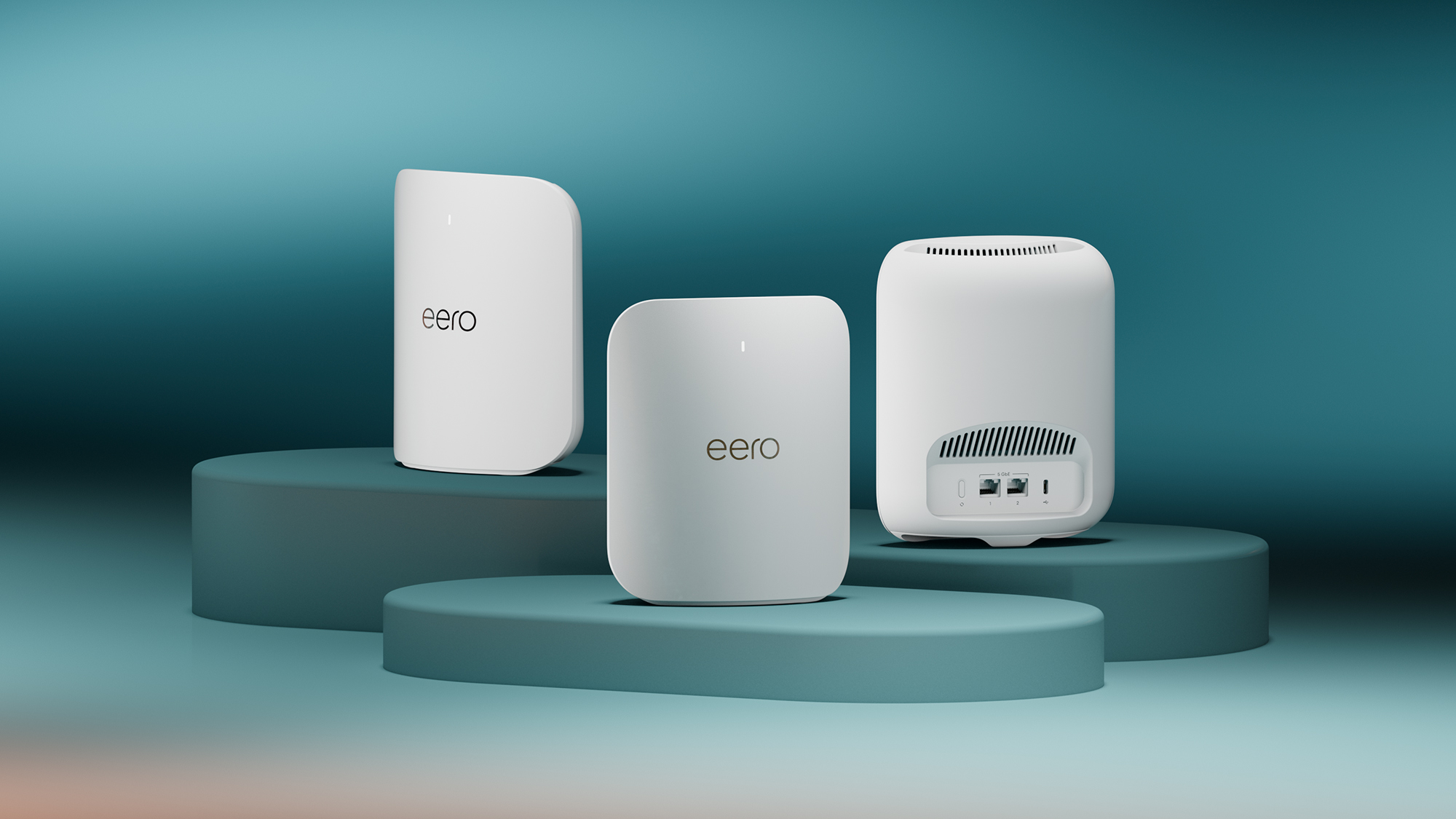
Credit: www.t3.com
Is Mesh Wifi Truly Future Proof?
Mesh WiFi has rapidly gained popularity as a solution to modern connectivity woes, but is it a lasting choice for your home? As you ponder whether investing in this technology is a smart move, it’s essential to consider how future-proof mesh WiFi truly is. Let’s break down some critical aspects that could influence its longevity and adaptability.
Longevity Of Current Standards
Mesh WiFi systems often leverage the latest WiFi standards like WiFi 6 and, more recently, WiFi 6E. These standards offer higher speeds, better efficiency, and the ability to handle multiple devices simultaneously. But technology evolves fast—what’s cutting edge today might be outdated tomorrow.
Think about how long you’ve had your current devices. Chances are, you replace your smartphone or laptop every few years. Mesh systems are no different. While they are designed to last, keeping an eye on emerging standards can help ensure your network remains competitive.
Upgrade Paths And Flexibility
One of the appealing aspects of mesh WiFi is its flexibility. You can start with a basic setup and expand it as your needs grow. Many systems offer modular components, so adding more nodes is straightforward, enhancing coverage without replacing the entire system.
Consider whether your chosen system supports software updates and hardware expansions. These features can significantly extend the lifespan of your mesh network, making it adaptable to future technological advancements.
User Scenarios And Needs
Your specific needs and scenarios greatly influence how future-proof a mesh system is for you. If you have a smart home with numerous connected devices, a mesh network is almost essential. It provides consistent coverage and reduces dead zones, keeping your gadgets running smoothly.
However, if your internet usage is minimal, you might not need the full capabilities of a mesh system just yet. Assess your current and future device count and online activities. This evaluation will help you decide if a mesh WiFi investment is a forward-thinking choice for your lifestyle.
In the fast-paced world of technology, asking the right questions and considering your personal needs can help ensure your investments stay relevant. How do you envision your connectivity needs changing in the next few years?
Choosing The Right Mesh System
Choosing the right mesh WiFi system is crucial for making sure your network stays reliable and efficient as your needs grow. Your home or office setup, internet habits, and future plans all affect which system fits best. Picking the right one now can save you from costly upgrades and frustrating dead zones later.
Assessing Home And Office Requirements
Start by looking closely at your space. How large is your home or office? Are there multiple floors or thick walls that could block signals? These details impact how many nodes you’ll need and where to place them.
Think about the number of devices that connect daily—smartphones, laptops, smart TVs, security cameras. More devices mean you need a system designed to handle heavy traffic without slowing down.
Do you work from home or run a business? A small office with several employees may require a mesh system with stronger security features and better bandwidth management compared to a typical household.
Evaluating Performance Metrics
Look beyond marketing claims and check real performance metrics. Focus on speed ratings, coverage area, and the system’s ability to handle simultaneous connections. These factors matter more than flashy features.
Some mesh systems prioritize fast data transfer, while others excel at extending range. Which matters more depends on your internet plan and layout. If you have gigabit internet, choose a system that supports high-speed throughput.
Consider latency too, especially if you play online games or stream live video. Low latency can make a big difference in your experience.
Budgeting And Brand Options
Your budget will narrow down your choices, but don’t just pick the cheapest option. Look for value—features that align with your needs without paying for extras you won’t use.
Brands vary in reputation, customer support, and software updates. Some offer user-friendly apps for easy setup and ongoing management, which could save you time and frustration.
Check reviews and ask yourself: Will this system still be supported in five years? A well-supported brand can mean your mesh WiFi stays secure and compatible with new devices over time.

Credit: www.pcmag.com
Frequently Asked Questions
What Makes Mesh Wifi Future Proof Technology?
Mesh WiFi adapts to growing device demands and coverage needs. It supports latest WiFi standards and scalable network expansion. This ensures strong, seamless connections as technology evolves, making mesh WiFi a future proof solution for homes and offices.
Can Mesh Wifi Handle Increasing Smart Home Devices?
Yes, mesh WiFi systems efficiently manage many connected devices. They distribute bandwidth evenly and reduce dead zones. This keeps smart home devices running smoothly, even as the number of gadgets grows over time.
How Does Mesh Wifi Improve Internet Reliability?
Mesh WiFi uses multiple nodes to create a strong network. If one node fails, others maintain the connection. This redundancy enhances reliability and prevents network dropouts, offering consistent internet performance.
Will Mesh Wifi Support Upcoming Wifi Standards?
Most modern mesh WiFi systems are designed to support future WiFi standards. Manufacturers often provide firmware updates to add compatibility. This helps users stay current without replacing their entire system.
Conclusion
Mesh WiFi offers strong and steady internet coverage everywhere at home. It adapts well to new devices and growing internet needs. This system can handle future updates and new technology easily. Investing in mesh WiFi means fewer dead zones and faster connections.
It fits well in most homes and keeps up with changes. For lasting, reliable WiFi, mesh networks stand as a smart choice. Simple setup and flexible design make it easy to use daily. Mesh WiFi looks ready to meet future internet demands with ease.