Are you tired of slow internet and dead zones in your smart home? Your devices deserve fast, reliable WiFi to work seamlessly.
This guide will help you unlock the full power of mesh WiFi and boost your home’s connectivity. You’ll learn simple tips and tricks to improve speed, coverage, and performance—so every smart device in your house runs smoothly. Keep reading to transform your WiFi experience and enjoy a smarter, faster home.
Mesh Wifi Basics
Mesh wifi systems help spread internet around your home. They give better coverage than one router alone.
This guide explains what mesh wifi is, how it works, and its main parts.
What Is Mesh Wifi
Mesh wifi is a group of devices that work together to cover your home with wifi. Each device shares the internet signal with the others.
It is different from a single router because mesh systems have many points that connect to your devices.
How Mesh Systems Work
Mesh systems send wifi signals between devices to cover a large area. They create a network that looks like a web.
- Main device connects to the internet source.
- Other devices receive and send the signal.
- Devices talk to each other to find the best path.
- Your devices connect to the closest mesh point.
This way, you get a strong signal in every room without dropping connection.
Key Components
| Component | Description |
| Main Router | Connects to your modem and controls the mesh network. |
| Satellite Nodes | Additional devices that extend wifi coverage in your home. |
| Backhaul | Connection between nodes to share data efficiently. |
| App or Controller | Software to set up and manage the mesh system. |
Benefits For Smart Homes
Mesh WiFi systems help smart homes work better. They spread WiFi signals evenly in every room.
Smart devices need strong internet to connect and run smoothly. Mesh WiFi makes this easy.
Improved Coverage
Mesh WiFi covers large areas without weak spots. It uses several devices called nodes.
Each node sends WiFi signals to far corners of your home. This stops dead zones.
- Covers multiple floors and rooms
- Better signal in basements and yards
- Stronger WiFi in thick-wall houses
Seamless Connectivity
Mesh WiFi lets devices switch nodes without losing connection. You stay online moving around.
This constant connection helps smart devices work without delays or interruptions.
- Automatic device handoff between nodes
- Continuous video calls and streaming
- Reliable connection for smart security
Device Compatibility
Mesh WiFi works with most smart home devices. It supports phones, cameras, lights, and more.
It uses standard WiFi protocols, so new devices connect easily without extra setup.
- Supports many brands and models
- Works with voice assistants and hubs
- Easy to add new devices anytime
Factors Affecting Speed
Mesh WiFi systems help spread internet all over your home. The speed you get depends on many things. Knowing these can help you get better WiFi performance.
This guide covers the main factors that affect your mesh WiFi speed. We focus on node placement, internet plan limits, and wireless interference.
Node Placement
Where you put your mesh nodes affects WiFi speed a lot. Nodes too far from each other or blocked by walls slow down the network.
Place nodes in open spaces and near the center of the area you want to cover. Avoid placing them near metal objects or thick walls.
- Keep nodes within 30 feet of each other.
- Place nodes away from microwaves and cordless phones.
- Elevate nodes off the floor for better signals.
Internet Plan Limits
Your internet plan sets the maximum speed your mesh WiFi can deliver. If your plan is slow, your WiFi will be slow too.
Check your plan’s download and upload speeds. Make sure your mesh system supports speeds close to or above your plan’s limits.
- Upgrade your internet plan for higher speeds.
- Match your mesh WiFi system to your plan speed.
- Remember that many devices share the same internet connection.
Wireless Interference
Other wireless devices can interfere with your mesh WiFi signals. This interference lowers speed and causes drops.
Common sources include baby monitors, Bluetooth devices, and other WiFi networks nearby. Interference is stronger on 2.4 GHz bands.
- Use 5 GHz band for less interference and higher speeds.
- Move mesh nodes away from other wireless devices.
- Change your WiFi channel to avoid crowded frequencies.

Credit: www.pcmag.com
Optimizing Coverage
Good mesh WiFi coverage keeps your smart home devices connected. It helps avoid dead spots and slow speeds.
Placing your mesh nodes the right way improves signal strength and overall performance.
Ideal Node Locations
Place your mesh nodes in open areas, away from walls and large objects. This lets signals travel freely.
- Put nodes in central spots of your home
- Set nodes at a medium height, like on shelves
- Avoid placing nodes near windows or outside walls
- Keep nodes visible and not hidden inside cabinets
Avoiding Signal Obstacles
Many household items block WiFi signals. Metals, mirrors, and thick walls reduce coverage.
| Obstacle | Effect on Signal |
|---|---|
| Metal objects | Reflect and block signals |
| Mirrors | Cause signal loss |
| Concrete walls | Weaken signals greatly |
| Fish tanks | Absorb signals |
| Large appliances | Interfere with signal paths |
Using Wired Backhaul
Wired backhaul links mesh nodes using Ethernet cables. This reduces wireless traffic and improves speed.
- Connect nodes with Ethernet cables if possible
- Use wired backhaul in homes with thick walls
- Wired backhaul lowers interference and boosts stability
- This setup helps smart devices respond faster
Boosting Performance
Mesh Wifi is essential for a smart home. It helps devices work smoothly. Boosting its performance can make your smart home more efficient.
Let’s explore some simple ways to improve your mesh wifi. These tips focus on firmware updates, network settings, and device prioritization.
Firmware Updates
Firmware updates are important for mesh wifi. They fix bugs and improve performance. Check for updates regularly to keep your network running well.
Most routers have an option to update firmware automatically. Enable this feature if available. It ensures your system stays up-to-date without manual checks.
Network Settings Tuning
Tuning network settings can boost performance. Adjust channel settings to avoid interference. Use the 5GHz band for faster speeds if your devices support it.
Consider changing the SSID name and password. This can help with security and performance. A strong password protects your network from unauthorized access.
- Use WPA3 security for better protection
- Enable Quality of Service (QoS) for traffic management
- Disable unused features to free up bandwidth
Prioritizing Devices
Prioritizing devices can improve network performance. Assign higher priority to devices that need more bandwidth, like streaming devices or gaming consoles.
Most routers allow you to set priority in the settings. Look for options like “Device Priority” or “Traffic Management” in your router’s app or web interface.
| Device | Priority Level |
| Streaming Box | High |
| Smartphone | Medium |
| Smart Light | Low |
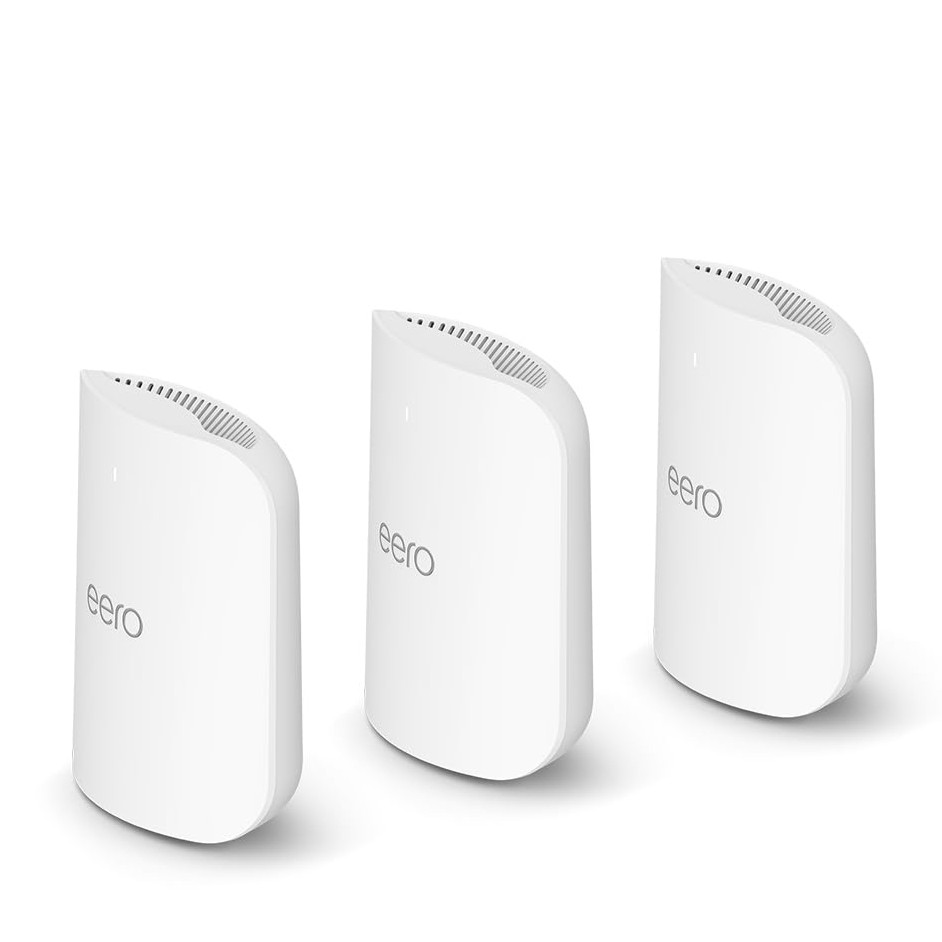
Credit: www.tomsguide.com
Troubleshooting Tips
Mesh WiFi helps your smart home stay connected everywhere. Sometimes, it may face problems. This guide shares tips to fix common issues.
Follow these tips to keep your mesh network running smoothly. Check each section to solve problems quickly.
Common Issues
Devices may lose connection or have slow speeds. Interference and distance can cause weak signals. Firmware bugs might also affect performance.
- Slow internet in some rooms
- Nodes not connecting to each other
- Intermittent disconnects
- Devices drop from WiFi
Resetting Nodes
Resetting nodes can fix many problems. Try a soft reset first to save settings. Use a hard reset if issues continue.
- Unplug the node from power.
- Wait 30 seconds.
- Plug it back in and wait for it to reboot.
- If needed, press the reset button for 10 seconds.
- Reconfigure the node in your app if required.
Monitoring Network Health
Keep an eye on your network to catch problems early. Use apps or dashboards to see node status and signal strength.
| Metric | What It Shows | Why It Matters |
| Signal Strength | Connection quality between nodes | Weak signals cause slow speeds |
| Node Status | Online or offline state | Offline nodes disrupt coverage |
| Bandwidth Usage | Data used by each device | High use can slow network |
| Firmware Version | Software version on nodes | Updates fix bugs and add features |
Choosing The Right System
Mesh WiFi systems help improve internet coverage in smart homes. Picking the right system is crucial for optimal performance.
Consider factors like compatibility, speed, range, and budget when choosing a system. These ensure your smart home devices work efficiently.
Compatibility With Smart Devices
Ensure the mesh WiFi system works with all your smart devices. Check compatibility with your devices before buying.
Some systems offer better support for specific devices. Research which systems are known to work well with your smart gadgets.
- Check device requirements
- Look for systems with universal compatibility
- Consider future device additions
Speed And Range Needs
Consider the speed and range you need for your home. Larger homes may need more nodes for full coverage.
Higher internet speeds provide better streaming and gaming experiences. Choose a system that supports your internet speed.
| Home Size | Number of Nodes |
| Small | 1-2 |
| Medium | 2-3 |
| Large | 3 or more |
Budget Considerations
Mesh WiFi systems come in various price ranges. Decide how much you are willing to spend on a system.
More expensive systems often offer better features and performance. Balance your needs with your budget for the best choice.
- Set a budget before shopping
- Compare features and prices
- Look for sales and discounts

Credit: www.pcmag.com
Frequently Asked Questions
What Is Mesh Wifi And How Does It Work?
Mesh WiFi uses multiple nodes to provide seamless wireless coverage. It eliminates dead zones by creating a unified network. Each node communicates with others to ensure strong, consistent signals throughout your smart home. This setup enhances connectivity for all devices.
How Does Mesh Wifi Improve Smart Home Performance?
Mesh WiFi boosts smart home performance by providing reliable, fast internet everywhere. It supports multiple devices simultaneously without lag. This reduces connectivity drops and improves response times for smart devices, enhancing automation and control across your home.
Can Mesh Wifi Handle Many Smart Devices?
Yes, mesh WiFi is designed for many smart devices. It efficiently manages high traffic and distributes bandwidth evenly. This prevents network congestion, ensuring all devices stay connected and function smoothly in busy smart home environments.
Where Should I Place Mesh Wifi Nodes For Best Coverage?
Place mesh nodes centrally and evenly throughout your home. Avoid walls and large obstacles that block signals. Position nodes near smart devices for optimal performance. Proper placement ensures strong, consistent WiFi coverage in every room.
Conclusion
Mesh WiFi helps keep your smart home connected with ease. It spreads WiFi signals evenly throughout your space. Devices stay linked without slowdowns or drops. Setting up mesh systems is simple and quick. Choose the right placement for best signal strength.
Regularly update your system for smooth performance. Enjoy seamless streaming, gaming, and smart device control. A strong WiFi network supports your smart home’s needs. Small steps lead to big improvements in connectivity. Stay connected and make the most of your smart devices.