Are you tired of slow internet and dead zones in your home? Choosing the right WiFi setup can make all the difference.
You’ve probably heard about mesh WiFi systems and traditional routers, but which one is really better for your space? This article will help you understand how each works, so you can pick the solution that keeps your devices connected with strong, reliable signals everywhere.
Keep reading to find out which option fits your needs and gives you the smooth internet experience you deserve.
Mesh Wifi Basics
Understanding the basics of Mesh Wifi is essential if you’re considering an upgrade from your traditional router. Mesh Wifi systems offer a fresh approach to home networking by improving coverage and reliability. Before making a choice, it’s good to know how these systems work and what parts make them tick.
How Mesh Wifi Works
Mesh Wifi spreads your internet signal across multiple devices called nodes. Each node communicates with others to create a seamless network that covers your entire home. This means you can move from room to room without losing connection or needing to switch networks manually.
Unlike traditional routers that rely on one central device, mesh systems distribute the workload. This helps reduce dead zones and keeps your connection strong even in larger spaces. Have you noticed how your signal drops near the back of your house? Mesh Wifi tackles exactly that problem.
Key Components Of Mesh Systems
- Main Router:Connects directly to your modem and acts as the central hub.
- Satellite Nodes:Placed throughout your home to extend coverage and communicate with the main router.
- Software/App:Lets you manage your network easily, set up devices, and troubleshoot issues.
Each node works together to create a single, unified network. This setup means your devices connect to the closest node, maintaining optimal speeds. If you’ve ever struggled with slow wifi in certain rooms, these components work together to fix that without extra hassle.
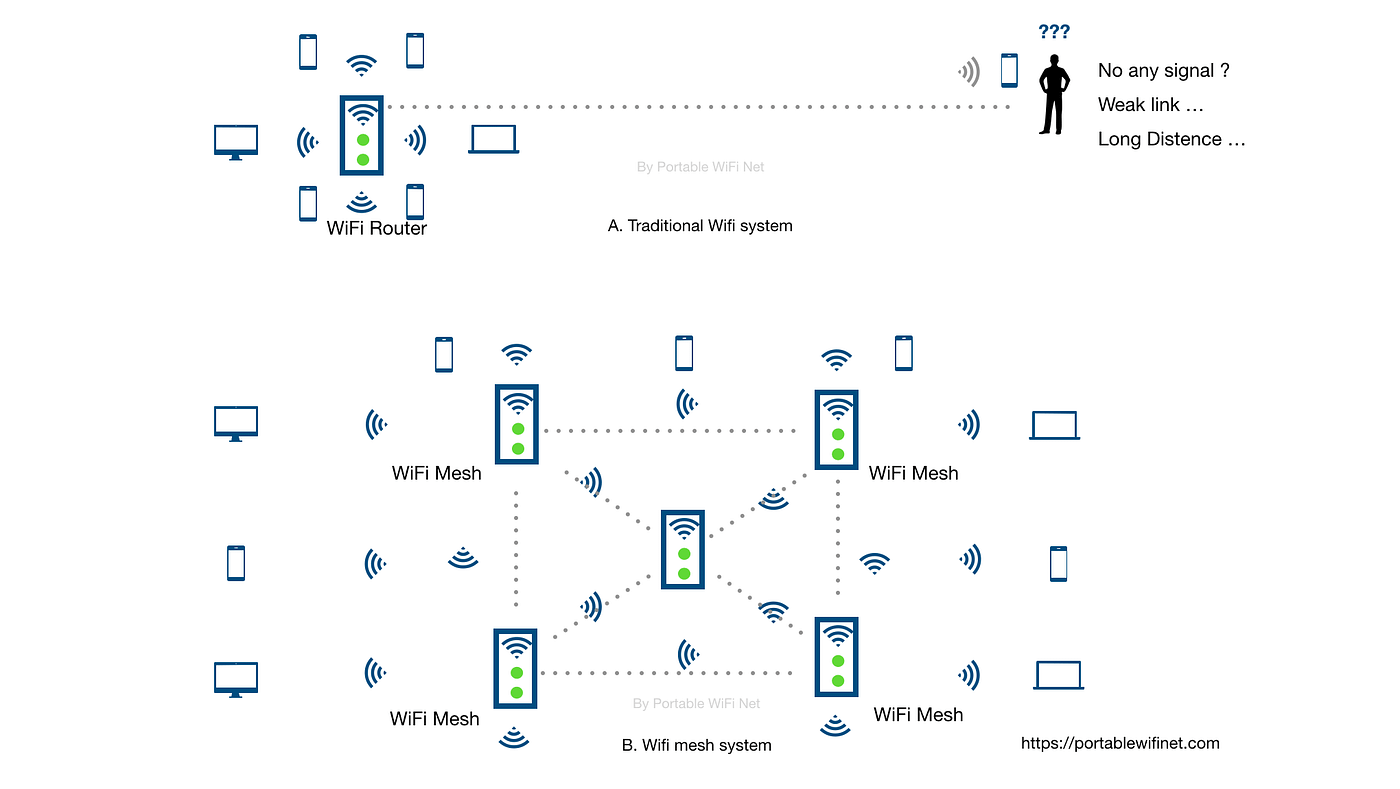
Credit: medium.com
Traditional Router Essentials
Understanding traditional routers is key to grasping WiFi basics. These devices connect your home to the internet. They manage data traffic between your devices and the web. Traditional routers create a single WiFi network from one device. This setup works well in small spaces or with few devices.
Traditional routers have limits in coverage and speed. Signal strength can drop in large homes or through walls. They often require manual setup and configuration. Despite this, they remain popular due to their simplicity and lower cost.
Router Functionality
A router sends data packets between your devices and the internet. It assigns local IP addresses to devices on your network. This process helps devices communicate with each other and access online content. Traditional routers usually have built-in firewalls for security. They also include ports for wired connections, like Ethernet cables.
WiFi signals from the router broadcast within a certain range. The router controls bandwidth to ensure devices get internet access. It can prioritize traffic for smoother video or gaming. Most routers support multiple devices but may slow down with heavy use.
Common Router Types
- Single-band Routers:Operate on one frequency (2.4 GHz). Offer basic WiFi coverage, suitable for small homes.
- Dual-band Routers:Use two frequencies (2.4 GHz and 5 GHz). Provide better speed and less interference.
- Tri-band Routers:Add an extra 5 GHz band. Ideal for many devices and high-bandwidth tasks.
- Gaming Routers:Designed for low latency and fast speeds. Prioritize gaming traffic on the network.
- Modem-Router Combos:Combine modem and router in one device. Simplify setup but may limit advanced features.
Speed Comparison
Speed is a key factor when choosing between Mesh WiFi and a traditional router. Both systems offer wireless internet, but their speeds vary in different settings and under various loads. Understanding these differences helps pick the right setup for your home or office.
Performance In Different Environments
Traditional routers work well in small, open spaces. Their signals weaken with walls and floors, reducing speed. Mesh WiFi uses multiple nodes to cover larger areas evenly. Each node connects to others, sharing the load and maintaining strong speed.
In large homes or buildings, mesh networks provide more consistent speeds. Traditional routers may have dead zones where the signal is weak or lost. Mesh systems fill these gaps, offering stable internet throughout the space.
Impact Of Device Load
Traditional routers can slow down when many devices connect at once. They have limited capacity to handle multiple users. Mesh WiFi distributes traffic across different nodes. This balance helps keep speed steady even with many devices.
For households with many smart devices, streaming, and gaming, mesh systems reduce lag and buffering. Traditional routers may struggle during peak usage, causing slower speeds and dropped connections.

Credit: 1rateservices.com
Coverage Differences
Choosing between a mesh WiFi system and a traditional router often boils down to understanding their coverage differences. The way each system distributes and maintains signals can significantly impact your internet experience. Let’s dive into the range and consistency of these two technologies to help you decide which might be best for your home or office.
Range Limitations
Traditional routers can struggle with range limitations, especially in larger homes or spaces with many walls. They typically broadcast from a single point, which can leave dead zones in distant rooms. In my own home, the upstairs office always seemed to have a weaker signal.
Mesh WiFi, on the other hand, uses multiple nodes to extend coverage across every corner of your space. Imagine placing a few strategically around your home to eliminate those pesky dead zones. This setup can ensure that even your basement or attic stays connected.
Signal Strength Consistency
Maintaining consistent signal strength can be a challenge with traditional routers. As you move away from the router, the signal can weaken, causing frustrating drops in speed and reliability. I remember watching my favorite show buffering incessantly as I moved from room to room.
Mesh WiFi systems excel in providing consistent signal strength. The interconnected nodes create a seamless web of coverage, allowing you to roam freely without losing connection. It’s like having the same strong signal everywhere you go in your home.
Are you tired of pacing around to find the best spot for your video calls? Understanding these coverage differences might just help you make a more informed decision.
Setup And Maintenance
Setting up and maintaining your home WiFi can make a huge difference in your internet experience. Whether you choose a mesh WiFi system or a traditional router, the effort involved varies. Understanding these differences helps you decide what fits your lifestyle and tech comfort level.
Installation Process
Traditional routers usually require a simple setup: plug it in, connect to the modem, and configure through a web interface. Most users can handle this with basic instructions, but placement matters a lot to avoid dead zones.
Mesh WiFi systems need a bit more initial planning. You place multiple nodes around your home to ensure full coverage. Setting them up often involves using a smartphone app, which guides you through the process step-by-step.
Have you ever moved a router around trying to get better signal? Mesh systems reduce that guesswork by letting you add nodes exactly where the signal drops.
Ongoing Management
Managing a traditional router can be straightforward but sometimes tricky. Firmware updates and troubleshooting often require logging into the router’s admin page. If your connection drops, you might need to restart the router manually.
Mesh systems usually offer easier ongoing management through apps. These apps send automatic updates, notify you of issues, and let you control settings remotely. You can even prioritize devices or pause WiFi for kids with just a few taps.
Think about how often you check your network. Would an app that handles updates and alerts save you time and frustration? Mesh systems aim to simplify your tech life, but they might cost more upfront.
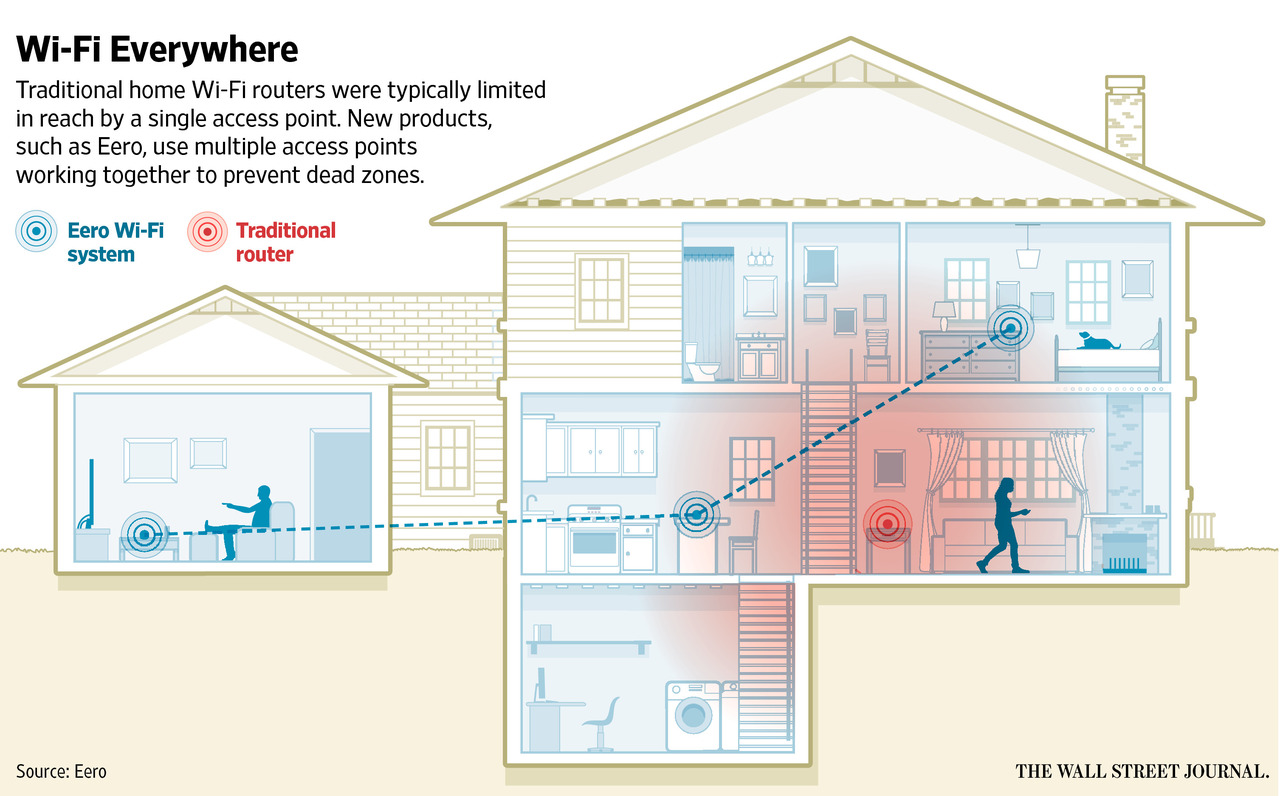
Credit: blog.eero.com
Cost Factors
Cost factors play a big role when choosing between Mesh Wifi and a traditional router. Understanding these costs helps make a better decision for your home or office network. Both options have different price points upfront and over time.
Initial Investment
The first cost to consider is the price of the device. Traditional routers usually cost less upfront. You can find basic models for a low price. Mesh Wifi systems tend to be pricier. They often come as a set with multiple units. This boosts coverage but raises the initial cost.
Here is a simple comparison:
| Type | Starting Price | Coverage |
|---|---|---|
| Traditional Router | $50 – $150 | Medium |
| Mesh Wifi System | $150 – $400 | Wide |
Long-term Expenses
Long-term costs include maintenance and upgrades. Traditional routers may need extra devices to cover large spaces. Buying extenders adds to the cost. Mesh systems cover large areas from the start. They often update automatically, reducing hassle and extra expenses.
Power usage also differs. Mesh systems use more power due to multiple units. Traditional routers use less but might require more devices to cover the same space. Think about energy costs over time as well.
Ideal Use Cases
Choosing between mesh WiFi and traditional routers depends on your home or office setup. Each option fits specific needs and environments. Understanding where each performs best helps you pick the right network system. This section explains ideal use cases for both mesh WiFi and traditional routers.
Best Environments For Mesh Wifi
Mesh WiFi suits large spaces with many rooms or floors. It covers dead zones where signals usually drop. Homes with thick walls or complex layouts benefit from mesh systems.
- Multi-story houses
- Large apartments
- Offices with many rooms
- Buildings with signal interference
Mesh networks allow devices to connect to the strongest signal point. This creates seamless internet access everywhere. They also work well where many devices connect simultaneously. Families or offices with many users gain a stable connection.
When To Choose Traditional Routers
Traditional routers work best in smaller spaces. They suit simple layouts and fewer devices. If your home or office is compact, a single router often provides enough coverage.
- Small apartments or studios
- Single-floor homes
- Simple office spaces
- Users with basic internet needs
Traditional routers offer easy setup and lower cost. They also provide strong speeds near the router. Choose this option if you want a straightforward network without extra hardware.
Frequently Asked Questions
What Is The Main Difference Between Mesh Wifi And Routers?
Mesh WiFi uses multiple devices to cover large areas. Traditional routers rely on one device for coverage. Mesh systems offer seamless connectivity and fewer dead zones. Routers are simpler but may have limited range and signal strength.
Which Is Better For Large Homes, Mesh Or Router?
Mesh WiFi is better for large homes. It provides consistent coverage throughout the house. Traditional routers often struggle with signal strength in bigger spaces. Mesh systems automatically connect devices to the strongest signal, improving performance.
Does Mesh Wifi Improve Internet Speed Compared To Routers?
Mesh WiFi can improve speed by reducing dead zones. It ensures devices stay connected to the best node. Traditional routers may slow down at the edges of their range. However, overall speed depends on your internet plan.
Are Mesh Wifi Systems More Expensive Than Traditional Routers?
Yes, mesh WiFi systems typically cost more upfront. They include multiple devices for extended coverage. Traditional routers are usually cheaper but might need additional extenders. Consider your home size and needs before choosing.
Conclusion
Choosing between mesh WiFi and a traditional router depends on your needs. Mesh WiFi covers large areas well and reduces dead spots. Traditional routers work fine for small spaces and simple setups. Think about your home size, budget, and internet use.
Both options have pros and cons. The right choice makes your internet fast and reliable. Keep your devices connected and enjoy smooth browsing. Simple, smart decisions bring better online experiences.