Have you ever experienced the frustration of a weak WiFi signal just when you need it most? Whether you’re in the middle of an important video call or streaming your favorite show, a stable internet connection is crucial.
You might have heard about dual band and long range WiFi extenders as solutions, but what’s the real difference between them? Understanding these options can be the key to a seamless online experience in your home or office. We’ll demystify these terms, so you can make the best choice for your connectivity needs.
Stick around to discover how you can finally say goodbye to those annoying WiFi dead zones once and for all.
Dual Band Wifi Extenders
Dual Band Wifi Extendersuse two frequency bands to boost your internet. These bands are 2.4 GHzand 5 GHz. The 2.4 GHz band covers a wider area but offers slower speeds. The 5 GHz band is faster but covers less distance.
Advantages of Dual Bandinclude better connection options. Devices can switch between bands to avoid interference. This helps keep your internet stable and fast. It also reduces congestion from other devices.
Ideal Usage Scenariosare homes with many devices. Good for streaming, gaming, and video calls. Works well in places with many Wi-Fi networks nearby. Helps keep connections smooth in busy areas.

Credit: www.amazon.com
Long Range Wifi Extenders
Long range WiFi extendersboost signals to cover larger spaces. They reach farther than regular extenders but may have slower speeds at the edges.
Range depends on many factors:
- Walls and floorsblock signals and reduce range.
- Interferencefrom other devices can weaken signals.
- The extender’s poweraffects how far the signal goes.
Best for large homes, offices, or outdoor areas where the main router’s signal is weak. They help connect devices far from the router without wires.
Performance Comparison
Dual band WiFi extendersoffer two frequency bands: 2.4 GHz and 5 GHz. This allows them to provide faster speeds on the 5 GHz band, but the range is shorter. The 2.4 GHz band offers slower speeds but covers a larger area.
Long range WiFi extendersfocus on extending the signal over a bigger area, mainly using the 2.4 GHz band. They are better for covering large spaces but usually deliver lower speeds than dual band extenders.
| Feature | Dual Band Extender | Long Range Extender |
|---|---|---|
| Speed | Higher speed on 5 GHz, moderate on 2.4 GHz | Lower speed, mostly 2.4 GHz |
| Interference Handling | Better at avoiding interference with two bands | More prone to interference on single band |
| Coverage Area | Smaller area but faster | Larger area but slower |
Installation And Setup
Placementof a WiFi extender affects its performance greatly. Place the extender halfway between your router and the area with weak signal. Avoid walls and metal objects that block signals. For dual band extenders, keep some distance from other devices to reduce interference. Long range extenderswork better in open spaces with fewer obstacles.
Compatibility matters. Check if the extender supports your router’s WiFi standard. Dual band extenders often support both 2.4 GHz and 5 GHz bands, working with most modern routers. Long range extenders may only support 2.4 GHz, which is slower but covers more area. Confirm the extender matches your router’s frequency bands to avoid connection issues.
- Most extenders have simple setup apps or web interfaces.
- Dual band extenders usually offer quick, user-friendly guides.
- Long range extenders may require manual setup for best results.
- Look for extenders with clear instructions and easy controls.
Cost And Value
Dual band WiFi extendersusually cost less than long range models. Prices vary based on features and brand. Basic dual band extenders range from $20 to $60. Long range extenders often start around $50 and can go up to $100 or more.
Long range extenders offer better coverage in large homes or offices. They reduce dead zones and provide stable signals over distance. Dual band extenders work well in smaller spaces with less interference.
Choosing the right option depends on home size and budget. Dual band extenders save money and work fine for small areas. Long range extenders provide better value for bigger spaces and many devices.
| Feature | Dual Band Extender | Long Range Extender |
|---|---|---|
| Price Range | $20 – $60 | $50 – $100+ |
| Coverage | Small to medium areas | Large areas, better range |
| Device Support | Fewer devices | Many devices |
| Long Term Value | Good for budget | Better for bigger homes |
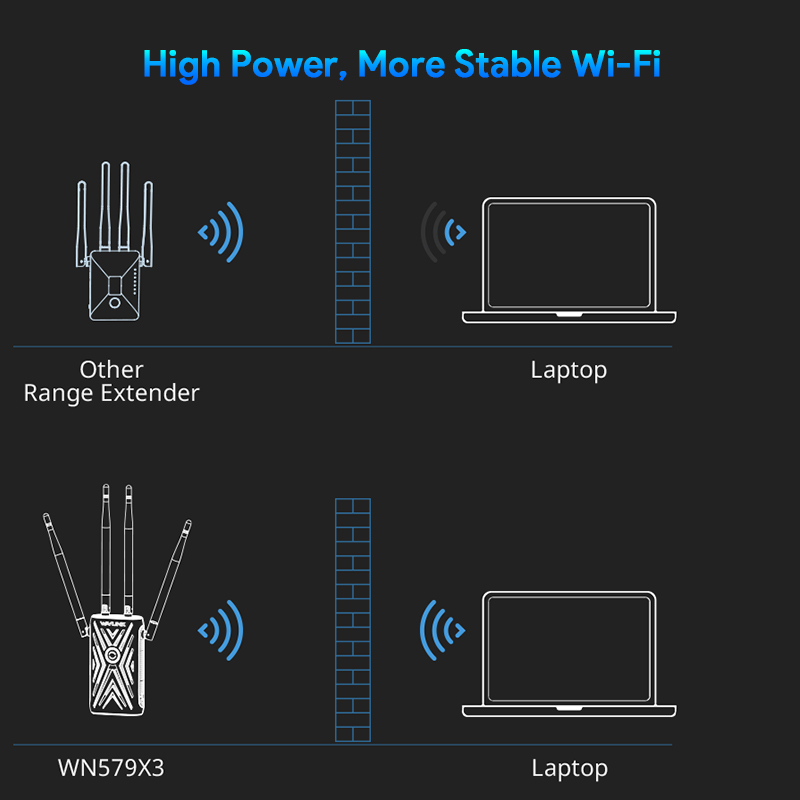
Credit: www.wavlink.com
Credit: www.engadget.com
Frequently Asked Questions
What Is A Dual Band Wifi Extender?
A dual band WiFi extender uses two frequency bands, 2. 4 GHz and 5 GHz. It offers better speed and reduced interference. This helps improve network performance in busy environments with many devices.
How Does A Long Range Wifi Extender Work?
A long range WiFi extender boosts WiFi signals over larger distances. It enhances coverage in big homes or offices. This extender focuses on extending the signal reach rather than speed.
Which Is Better: Dual Band Or Long Range Extender?
Dual band extenders suit environments needing speed and less interference. Long range extenders are ideal for extending coverage in large areas. Your choice depends on whether you prioritize speed or coverage.
Can Dual Band Extenders Reduce Wifi Interference?
Yes, dual band extenders reduce interference by using two frequency bands. The 5 GHz band is less crowded, offering faster, cleaner signals. This improves overall WiFi stability and speed.
Conclusion
Choosing between dual band and long range WiFi extenders depends on your needs. Dual band extenders offer better speed on two frequencies. Long range extenders focus on covering large areas. Think about your home size and device use. Both improve WiFi but in different ways.
Understanding these differences helps you pick the right one. A strong, reliable WiFi connection is possible with the right extender. Simple choice, better internet.