Are you struggling with slow internet speeds at home? You might have heard about dual-band WiFi extenders, but do you really know how fast they can go?
Understanding the speed limit of a dual-band WiFi extender can transform your online experience, making everything from streaming movies to video calls seamless and stress-free. This article will guide you through the essentials, revealing how these devices work and what speeds you can realistically expect.
Stay with us, and unlock the secrets to faster, more reliable internet in your home. You won’t want to miss what we have to share!
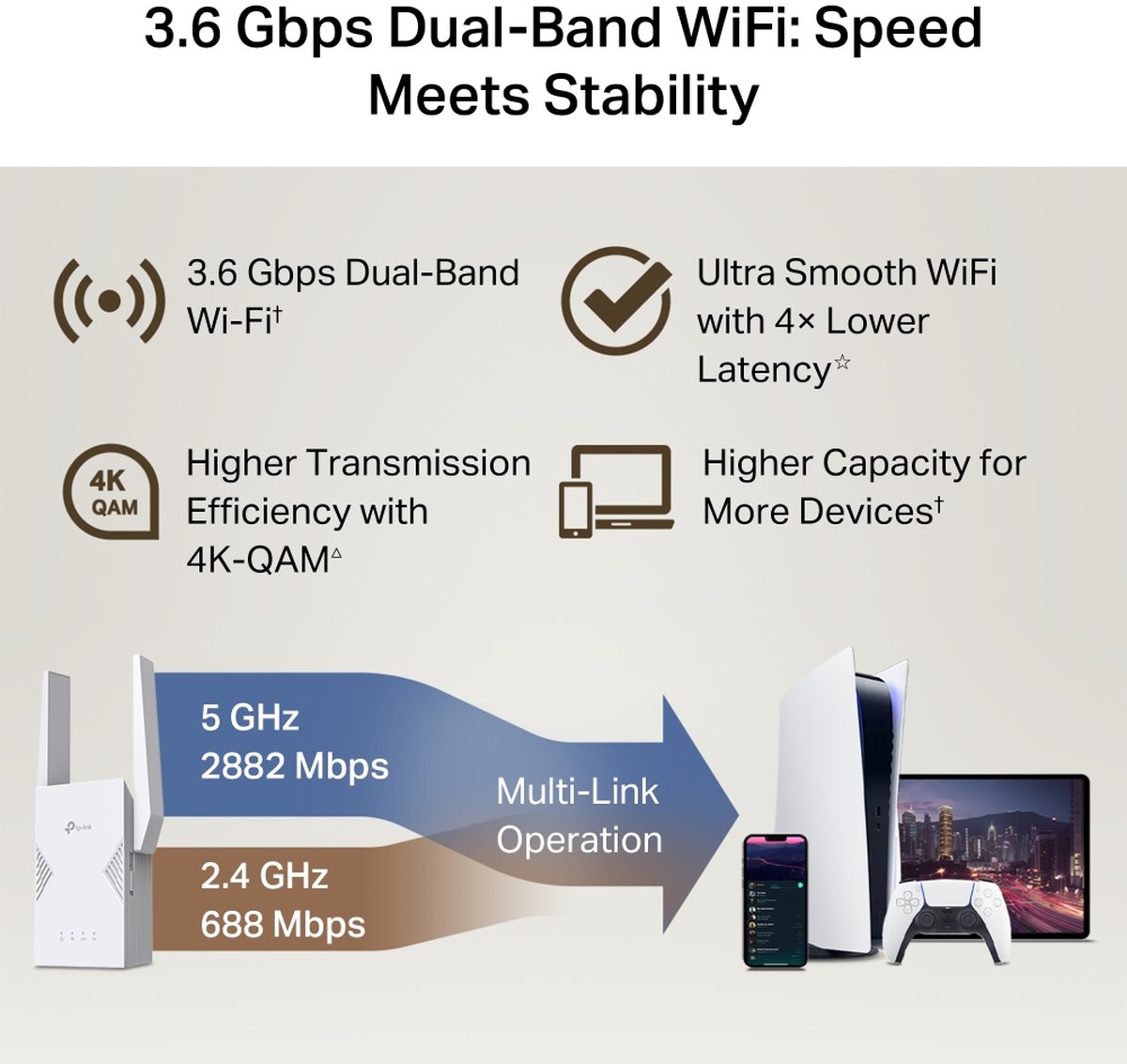
Credit: www.discomp.cz
Dual Band Wifi Extender Basics
A dual band WiFi extenderboosts your wireless signal on two frequencies: 2.4 GHz and 5 GHz. It helps devices connect better in places with weak WiFi. This device catches the signal from your main router and spreads it further.
Dual band technologyuses two separate channels. The 2.4 GHz band covers larger areas but has slower speeds. The 5 GHz band offers faster speeds but covers a smaller area. Devices can switch between bands for the best connection.
| Frequency Band | Range | Speed | Best Use |
|---|---|---|---|
| 2.4 GHz | Longer | Slower | Basic browsing, smart devices |
| 5 GHz | Shorter | Faster | Streaming, gaming, video calls |

Credit: www.cdw.ca
Speed Limits Explained
The speed limitof a dual band WiFi extender depends on several key factors. These include the quality of the extender, the distancefrom the router, and the interferencefrom walls or other devices. Dual band extenders work on two frequency bands: 2.4 GHzand 5 GHz.
The 2.4 GHz bandcovers a larger area but offers slower speeds. It is good for devices far from the router. The 5 GHz bandgives faster speedsbut covers a smaller area. It is better for close devices and high-speed tasks.
| Frequency Band | Speed | Range | Best Use |
|---|---|---|---|
| 2.4 GHz | Lower (up to 300 Mbps) | Longer | Browsing, emails, far devices |
| 5 GHz | Higher (up to 1300 Mbps) | Shorter | Streaming, gaming, close devices |
- Obstacleslike walls reduce speed.
- Device qualitylimits maximum speeds.
- Network trafficcan slow connections.
- Extender placementaffects performance.
Comparing 2.4 Ghz And 5 Ghz Bands
The 2.4 GHz bandoffers slower speeds but covers longer distances. It works well through walls and obstacles. This band supports speeds up to 450 Mbpsor 600 Mbpson some devices. It is ideal for browsing and simple tasks where speed is less critical.
The 5 GHz bandprovides much faster speeds, often reaching 1300 Mbpsor more. It handles high-data activities like streaming and gaming better. However, its range is shorter and signals weaken through walls.
| Band | Speed | Range | Best Use |
|---|---|---|---|
| 2.4 GHz | Up to 600 Mbps | Longer range, better through walls | Browsing, smart devices |
| 5 GHz | Up to 1300 Mbps or more | Shorter range, weaker through walls | Streaming, gaming, large files |
Choosing between bands means balancing speedand range. The 2.4 GHz band suits wide coverage with moderate speed. The 5 GHz band suits fast speed in smaller areas.
Maximizing Extender Performance
Placingyour dual band WiFi extender in a central locationhelps improve speed. Avoid walls and large objects that block signals. Keep the extender close to your routerbut far enough to cover weak signal areas. Higher spots, like shelves, work better than floors.
Interferencefrom other electronics can lower speeds. Keep the extender away from devices like microwaves, cordless phones, and baby monitors. Use the 5GHz band for less interference and higher speed. Walls, floors, and furniture can cause signal loss, so try to minimize obstacles.
- Place extender 15-30 feet from the router
- Avoid metal objects near the extender
- Use 5GHz band for faster speeds
- Reduce devices causing wireless interference
- Elevate extender for better signal spread
Real-world Speed Expectations
Dual band WiFi extenders offer speeds up to their rated limits, but real-world speeds often drop due to walls and distance. Expect slower connections than the maximum speed shown on the device label. Environmental factors and network traffic also affect performance.
Typical Speed Limits For Popular Models
| Model | 2.4 GHz Speed | 5 GHz Speed | Max Combined Speed |
|---|---|---|---|
| TP-Link RE450 | 450 Mbps | 1300 Mbps | 1750 Mbps |
| Netgear EX7300 | 450 Mbps | 1300 Mbps | 1750 Mbps |
| Linksys RE7000 | 300 Mbps | 867 Mbps | 1167 Mbps |
How Internet Plan Affects Extender Speed
Internet plan speedlimits the extender’s maximum speed. An extender cannot deliver speeds faster than the internet plan.
For example, if your plan is 100 Mbps, the extender will not make speeds go beyond 100 Mbps.
WiFi extender speedsdepend on internet plan, distance, and interference.

Credit: www.amazon.ca
Troubleshooting Slow Speeds
Slow speeds often happen due to interferencefrom other devices or walls blocking signals. Dual band WiFi extenders work on two frequencies: 2.4 GHzand 5 GHz. The 2.4 GHz band covers longer distances but is slower. The 5 GHz band is faster but covers a smaller area.
Check if your extender’s firmware is up to date. Firmware updates fix bugs and improve speed. Also, verify your extender’s settings. Sometimes, wrong settings can limit speed. Make sure the extender is set to the correct mode and channel.
- Place the extender where signal is still strong from the router.
- Keep the extender away from microwaves and cordless phones.
- Restart the extender to clear temporary issues.
- Use the 5 GHz band for faster speed if you are close to the extender.
Future Of Dual Band Wifi Extenders
Dual band WiFi extenders can reach speeds up to 1200 Mbps, depending on the model and environment. Speed limits vary with distance and interference from other devices. Understanding these limits helps in choosing the right extender for fast, reliable internet.
Advancements In Wifi Technology
Wifi technologykeeps improving with new standards. These changes help dual band wifi extendersdeliver better speed and coverage. The new tech reduces interference and boosts signal strength.
Devices now support faster data ratesand better connections. This means smoother streaming and quicker downloads for users. Extenders will become more efficient and easier to set up.
Emerging Standards And Speed Potential
| Wifi Standard | Max Speed (Approx.) | Frequency Bands |
|---|---|---|
| WiFi 5 (802.11ac) | Up to 3.5 Gbps | 2.4 GHz & 5 GHz |
| WiFi 6 (802.11ax) | Up to 9.6 Gbps | 2.4 GHz & 5 GHz |
| WiFi 6E | Up to 9.6 Gbps | 2.4 GHz, 5 GHz & 6 GHz |
Newer standards like WiFi 6 and 6E will raise the speed limits. Dual band extenders will support these standards soon. This means better internet for all connected devices.
Frequently Asked Questions
What Is The Maximum Speed Of A Dual Band Wifi Extender?
A dual band WiFi extender can support speeds up to 1200 Mbps. It combines 2. 4 GHz and 5 GHz bands for faster, stable connections.
How Does Dual Band Affect Wifi Extender Speed?
Dual band extenders use two frequencies to reduce interference. This results in better speed and connection reliability compared to single band extenders.
Can A Dual Band Extender Improve Slow Wifi Speed?
Yes, it boosts WiFi signals on both bands. This helps increase speed and coverage in areas with weak connections.
Does Extender Placement Impact Dual Band Wifi Speed?
Yes, placing the extender halfway between router and dead zones maximizes speed. Avoid walls and obstructions for best performance.
Conclusion
A dual band WiFi extender offers different speed limits on 2. 4 GHz and 5 GHz bands. The 2. 4 GHz band usually provides slower speeds but better range. The 5 GHz band gives faster speeds but covers less distance.
Your actual speed depends on the extender model and your internet plan. Choosing the right band helps improve your WiFi experience at home. Understanding these speed limits makes it easier to pick a suitable extender. This knowledge helps you enjoy stable and faster internet connections.