Have you ever wondered why some routers cost less than others? You might be tempted to grab the cheapest option, but is it really the best choice for your home or office?
Understanding why some routers are cheaper can help you make smarter decisions and avoid surprises like slow internet or poor coverage. You’ll discover the key reasons behind the price differences and learn how to pick a router that fits your needs without breaking the bank.
Keep reading to find out what you need to know before your next router purchase.
Price Differences In Routers
Price differences in routers arise from several key factors. These factors influence the final cost you pay for a router. Understanding these can help you make a smarter buying choice.
Manufacturing Costs
Manufacturing costs include materials, labor, and production methods. Cheaper routers often use low-cost materials to save money. Factories in countries with lower wages reduce labor expenses. Simple designs and faster assembly lines cut costs further. All these factors lower the price but may affect durability.
Brand Value Impact
Popular brands charge more for their name and reputation. Buyers often trust known brands for quality and support. This trust adds value and allows brands to set higher prices. Lesser-known brands compete on price to attract customers. Brand value can make a big difference in the router’s cost.
Component Quality
High-quality components improve performance and lifespan. Expensive routers use better chips, antennas, and circuits. These parts provide faster speeds and stronger signals. Cheaper routers may have lower-grade components that limit features. Quality components come at a higher price but offer better user experience.

Credit: cybernews.com
Features Affecting Cost
Many factors influence the price of a router. The features it offers play a big role in cost differences. Some routers have basic functions, while others include advanced technology. Understanding these features helps explain why some routers are cheaper.
Speed And Bandwidth
Routers with higher speed support cost more. They handle faster internet connections and more devices. Basic routers support lower speeds, suitable for simple tasks. Higher bandwidth means better performance for streaming and gaming. Cheaper models often limit speed and bandwidth.
Security Options
Advanced security features add to the router’s price. These include firewalls, VPN support, and automatic updates. Basic routers may lack strong protection, making them cheaper. More secure routers help protect your data from hackers. Security features are important for safe internet use.
Additional Functionalities
Extra functions increase the cost of a router. Features like parental controls, guest networks, and app management add value. Some routers support mesh systems for wider coverage. Cheaper models usually have fewer extra options. These additional tools improve user experience and convenience.
Target Market Influence
The price difference in routers often boils down to the target market each product is designed for. Understanding who the router is made for helps you see why some devices cost less without necessarily being lower quality. It’s about matching features and performance to what users really need.
Consumer Vs. Enterprise Models
Consumer routers are built for everyday users who want simple setup and reliable internet for browsing, streaming, and light gaming. They usually have fewer advanced features because most people don’t need complex network management.
Enterprise models, on the other hand, serve businesses with multiple users and heavy data demands. These routers include extra security layers, better durability, and options for managing large networks. So, the price reflects these professional-grade capabilities.
Think about your own needs. Are you running a small home network or managing an office with dozens of devices? That question alone can guide you to a router that fits your budget and requirements.
Budget Vs. Premium Segments
Within the consumer market, routers fall into budget and premium categories. Budget routers offer essential features at a lower cost. They work well for casual internet use but might struggle with multiple devices or high-speed connections.
Premium routers add extras like faster processors, advanced Wi-Fi standards, and better range. They also include features like parental controls, app management, and higher security settings. These add-ons push up the price but provide a smoother experience for demanding users.
Have you ever felt your internet slowing down during peak use? That’s a sign you might benefit from stepping up to a premium model. But if your needs are basic, a budget router could save you money without much compromise.
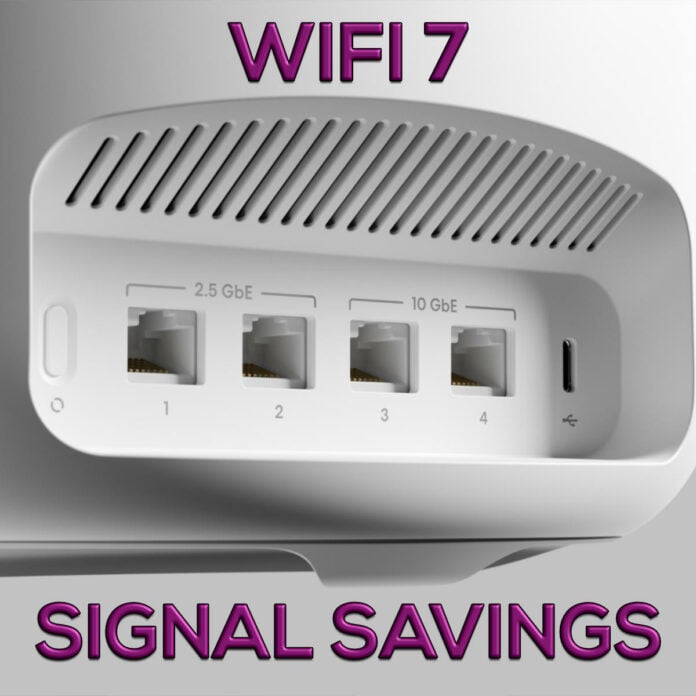
Credit: www.club386.com
Hidden Trade-offs
When you see a router priced significantly lower than others, the appeal is obvious. But what exactly are you giving up for that bargain? The reality is, cheaper routers often come with hidden trade-offs that affect your experience in subtle but important ways.
Durability And Longevity
Lower-priced routers often use less robust materials and simpler designs. This can mean they wear out faster or fail under heavy use.
Have you ever had a router suddenly stop working after just a year? That’s a common story with budget models. Investing a bit more upfront can save you frequent replacements down the line.
Technical Support And Warranty
Cheaper routers usually come with limited customer support options. You might get a shorter warranty or have to rely on community forums instead of professional help.
Imagine facing a connection issue late at night and finding no official support to guide you. That frustration can turn a small problem into a big headache.
Software Updates And Compatibility
Manufacturers of budget routers often delay or skip firmware updates. This can lead to security vulnerabilities and compatibility problems with newer devices.
Have you noticed your cheap router struggling to connect with the latest smartphone or smart home device? Lack of timely updates is often why.
When choosing a router, ask yourself: is saving a few dollars now worth potential issues later? Understanding these trade-offs helps you make smarter decisions for your home network.
Buying Tips For Budget Routers
Cheaper routers often use older technology or fewer features to cut costs. Lower build quality and limited range also affect the price. Choosing budget models means balancing what you need with what you can spend.
Buying a router on a budget can feel overwhelming with so many options available. Yet, finding a balance between cost and performance is possible if you know what to look for. Here are some practical tips to help you navigate the sea of affordable routers and make an informed choice.Assessing Your Needs
Start by identifying your internet usage habits. Do you stream 4K videos or is your usage mostly browsing and emailing? Understanding your needs ensures you don’t overspend on features you won’t use. Consider the size of your home and the number of devices connected to the network as well.Checking Reviews And Ratings
Before purchasing, dive into user reviews and ratings. They can reveal real-world experiences and potential issues not covered in product descriptions. Remember, a model with high ratings across multiple platforms is often a safer bet. Pay attention to comments about performance consistency and customer service.Balancing Cost And Performance
Identify key features that matter most to you, like speed or coverage, and prioritize them. Sometimes, spending a little more on a well-reviewed model can save you money in the long run by avoiding frequent replacements. Ask yourself if the cheapest option might end up costing more in frustration or upgrades. Your goal should be finding a router that meets your needs without breaking the bank.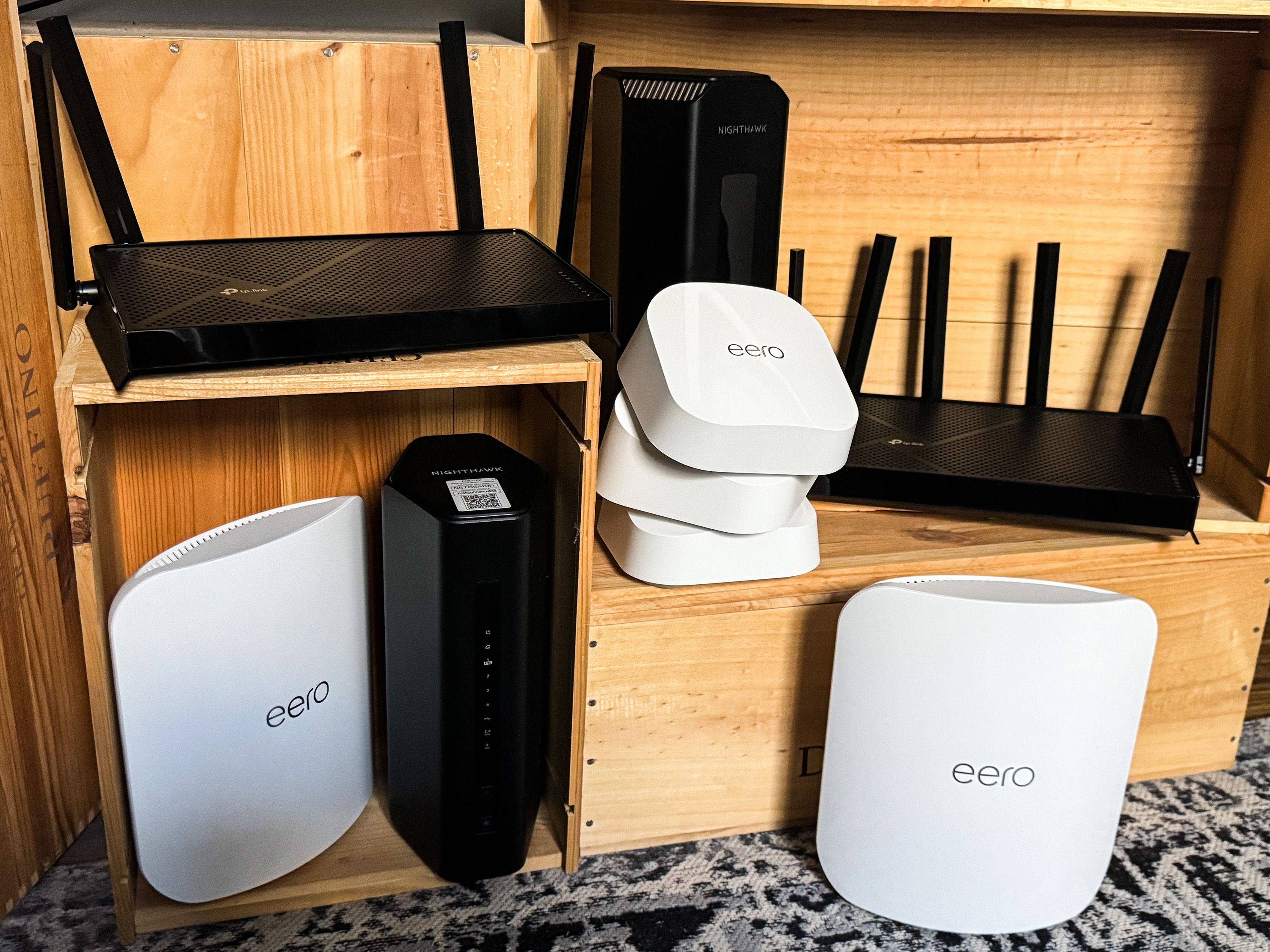
Credit: www.popularmechanics.com
Frequently Asked Questions
Why Are Some Routers Priced Lower Than Others?
Cheaper routers often use lower-cost materials and fewer features. They may have reduced speed, range, or outdated technology. Manufacturers balance cost and performance to offer budget-friendly options for basic internet needs.
Do Cheaper Routers Affect Internet Speed Significantly?
Yes, cheaper routers may limit your internet speed. They often support older Wi-Fi standards and fewer simultaneous connections. This can cause slower downloads and lag during heavy usage or gaming.
Are Budget Routers Less Reliable Over Time?
Budget routers may have shorter lifespans due to lower-quality components. They can overheat or fail faster than premium models. However, proper care can extend their usability for everyday tasks.
Can Cheaper Routers Handle Multiple Devices Efficiently?
Many budget routers struggle with multiple devices. They usually have limited bandwidth and weaker processors. This can result in slower performance when many users connect simultaneously.
Conclusion
Cheaper routers often use basic parts and fewer features. They work well for simple internet needs. More expensive models offer faster speeds and better range. Choosing the right router depends on your needs and budget. Don’t pay extra for features you won’t use.
Understanding why some routers cost less helps you decide smartly. Quality and price don’t always go hand in hand. A cheaper router can still connect you to the web. Think about what matters most before buying your router.