Are you tired of buffering videos and frustratingly slow downloads? If your WiFi struggles to reach every corner of your home, you’re not alone.
Many people face the same issue. But what if there was a simple solution that could transform your internet experience? Enter the dual band WiFi extender—a game-changer for anyone craving seamless connectivity. You’ll discover why a dual band WiFi extender is a superior choice for boosting your network.
Get ready to unlock smoother streaming, faster browsing, and a more reliable connection throughout your space. Dive in to learn how you can say goodbye to dead zones and hello to uninterrupted internet joy!
Benefits Of Dual Band Wifi Extenders
Dual band WiFi extendersuse two frequency bands: 2.4 GHz and 5 GHz. This helps give faster speedsfor devices close by and better range for those farther away.
The network coverage improvesbecause the extender can send signals on both bands. This means fewer dead spots in your home or office.
Using two bands means less interferencefrom other devices. The 5 GHz band is less crowded, so your connection stays stable and clear.
- Supports many devices at the same time without slowing down.
- Allows streaming, gaming, and browsing without interruptions.
- Better connection quality for smart home gadgets and phones.
How Dual Band Extenders Work
The 2.4 GHzband covers a larger area but is slower. It works well through walls and obstacles. The 5 GHzband offers faster speeds but covers a smaller area. It is less crowded and better for high-speed tasks.
Signal transmissionhappens by receiving data on one band and sending it on another. This helps reduce interference and keeps the connection strong. Dual band extenders can handle both bands at the same time, improving overall performance.
Devices can switch between 2.4 GHz and 5 GHzbands without losing connection. This happens automatically to give the best speed and range. Switching helps keep video calls smooth and downloads fast.
Comparing Single Band And Dual Band Extenders
Dual band WiFi extendersoffer faster speeds than single band. Single band uses only one frequency, usually 2.4 GHz. Dual band uses both 2.4 GHz and 5 GHz. The 5 GHz band delivers higher speedsand less interference.
Dual band extenders cover a wider area. The 2.4 GHz band reaches farther but is slower. The 5 GHz band covers less distance but is faster. Together, they provide better coveragein homes and offices.
Device compatibility is better with dual band. Some devices work only on 2.4 GHz. Newer devices can use 5 GHz for faster internet. Dual band extenders support more devicesat once.
Network stability improves with dual band extenders. They reduce congestion by separating devices on two bands. This leads to fewer dropsand smoother connections.
Credit: www.engadget.com
Choosing The Right Dual Band Extender
Key featuresto look for include dual-band support, which offers both 2.4 GHz and 5 GHz frequencies. This ensures better speed and less interference. A good extender should have strong signal strengthand easy setupoptions. Look for models with Ethernet portsif wired connections are needed. Also, consider devices with smart signal indicatorsto help find the best placement.
For maximum coverage, place the extender halfway between your router and the area with weak WiFi. Avoid walls and metal objects that block signals. Higher placement often works best. Keep the extender away from microwaves or cordless phones to reduce interference.
| Compatibility Factor | Details |
|---|---|
| Router Brand | Works with most brands like Netgear, TP-Link, and Linksys |
| WiFi Standards | Supports 802.11ac/n/g to match your router |
| Security | Supports WPA2 or higher for safe connections |
| Setup | Easy setup with WPS button or app control |
Real-world Applications And Benefits
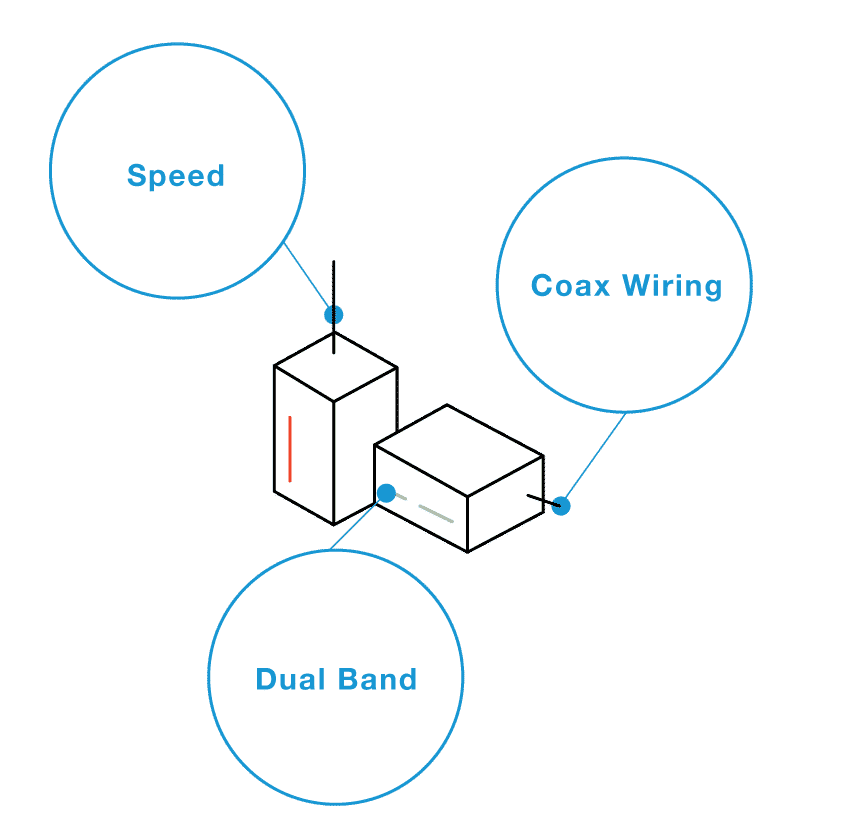
Dual band WiFi extendersimprove connection in homes. They send signals on two bands: 2.4 GHz and 5 GHz. This means better coverage and faster speeds for all devices.
In office environments, they reduce interference. Many devices can connect at once without slowing down. This keeps work smooth and meetings clear.
Streaming and gamingget a boost from dual band extenders. The 5 GHz band offers fast and stablespeeds. Less lag and fewer pauses. Enjoy movies and games without breaks.
For smart homes, these extenders link many gadgets easily. Lights, cameras, and speakers work better with strong signals. No dead zones or weak spots.
Credit: www.screenbeam.com

Credit: www.amazon.ca
Frequently Asked Questions
What Is A Dual Band Wifi Extender?
A dual band WiFi extender boosts signals on two frequencies: 2. 4 GHz and 5 GHz. This helps reduce interference and improve overall network speed and stability in your home or office.
How Does Dual Band Improve Wifi Performance?
Dual band extenders separate traffic between two bands, reducing congestion. This leads to faster data transfer and fewer interruptions, especially in busy networks with many connected devices.
Can Dual Band Extenders Cover Larger Areas?
Yes, dual band extenders provide wider coverage by using both bands effectively. The 2. 4 GHz band covers longer distances, while 5 GHz offers faster speeds nearby, ensuring better signal reach.
Are Dual Band Wifi Extenders Compatible With All Routers?
Most dual band extenders work with any router supporting 2. 4 GHz and 5 GHz bands. Always check compatibility with your specific router model before purchase to ensure seamless integration.
Conclusion
Dual band WiFi extenders offer better speed and less interference. They help connect many devices smoothly. You get stronger signals in every corner of your home. This makes streaming, gaming, and browsing much easier. Choosing a dual band extender means fewer dropouts and faster internet.
It’s a smart way to improve your WiFi without extra cost. Enjoy a reliable and steady connection all day long. Simple, effective, and worth considering for better online experiences.