Are you wondering if Wifi 7 will replace Wifi 6 anytime soon? You’re not alone.
As technology moves fast, you want to know if upgrading your home or office network is worth it. Imagine faster speeds, less lag, and smoother streaming—all without changing your devices right now. But is Wifi 7 really the game-changer it promises to be?
Keep reading to discover what Wifi 7 offers, how it compares to Wifi 6, and whether it’s time for you to make the switch. Your internet experience could be about to change—and you’ll want to be ready.
Wifi 6 Features
Wifi 6offers faster speeds than older wifi versions. It can reach up to 9.6 Gbpsunder perfect conditions. This means better streaming and quicker downloads. It uses a technology called OFDMAto share channels among many devices. This makes the network more efficient and less crowded.
The capacityof Wifi 6 is higher. It supports more devices at once without slowing down. Its rangeis also improved, giving better coverage in homes and offices. Walls and obstacles affect the signal less than before.
In real-world use, Wifi 6 shows better performance with many connected devices. It reduces delays and keeps connections stable. This helps with video calls, gaming, and smart home devices.
What Wifi 7 Brings
Wifi 7offers much faster speedsthan Wifi 6. It can reach speeds up to 46 Gbps, which is about three times faster. This means downloads, streaming, and gaming happen quicker and smoother.
Lower latencymeans less delay in data transfer. This is important for real-time activities like video calls and online games. Wifi 7 reduces lag and improves the overall experience.
Enhanced capacityallows more devices to connect without slowing down. It uses new technology to handle many devices at once, perfect for busy homes or offices with many users.
Comparing Wifi 6 And Wifi 7
Wifi 7offers faster speeds than Wifi 6. Wifi 7 supports up to 30 Gbps, while Wifi 6 peaks at 9.6 Gbps. This means Wifi 7 can handle more devices with less delay. It also uses better technology for stronger connections in busy areas.
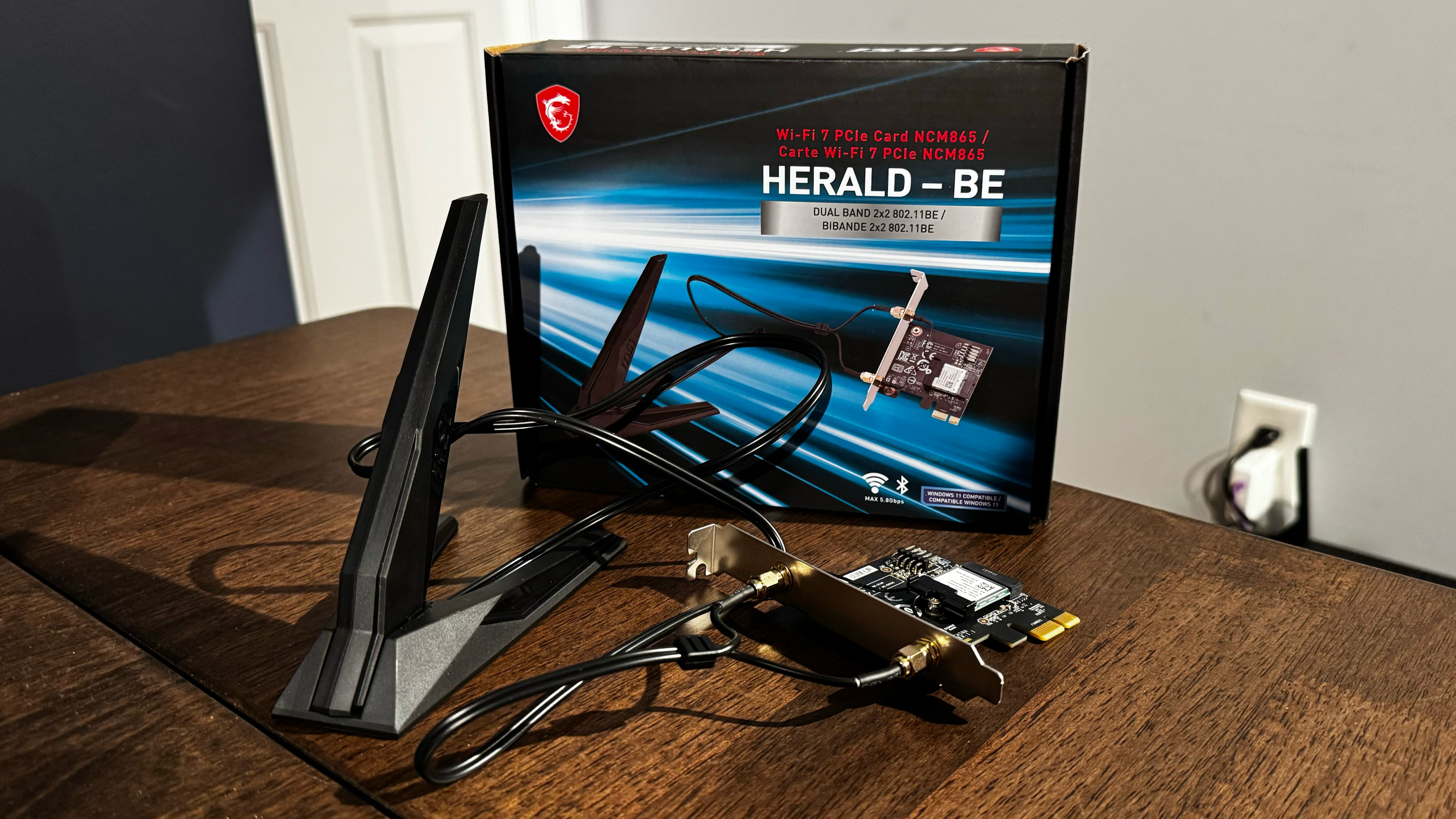
Wifi 6 works with most current devices. Wifi 7 needs newer gadgets that support its features. Many devices now support Wifi 6, but Wifi 7 devices are just starting to appear. Compatibility depends on your router and device support.
| Type | Wifi 6 Cost | Wifi 7 Cost |
|---|---|---|
| Router | Affordable, many options available | Higher price, newer models |
| Device | Many devices support Wifi 6 | Limited devices, usually expensive |
| Overall | Good value for most users | Costly, but faster and better for future |
Credit: www.tomshardware.com
Use Cases For Wifi 7
Gaming and streamingneed fast and stable connections. Wifi 7 offers higher speedsand lower delays. This helps games run smoothly with less lag. Streaming videos in 4K or 8Kgets easier without buffering.
Smart homes use many devices like lights, cameras, and locks. Wifi 7 supports more devicesat once. It keeps connections strongand reliablefor all gadgets. This helps devices work well together without delays.
Enterprises need strong networks for many users and devices. Wifi 7 provides better coverageand higher capacity. This means offices can handle more dataand users without slowdowns. It also improves security for important information.
Challenges For Wifi 7 Adoption
Exploring whether Wifi 7 will replace Wifi 6 reveals several challenges. Compatibility with existing devices is a major hurdle. Consumers might hesitate to upgrade without clear benefits.
Infrastructure Requirements
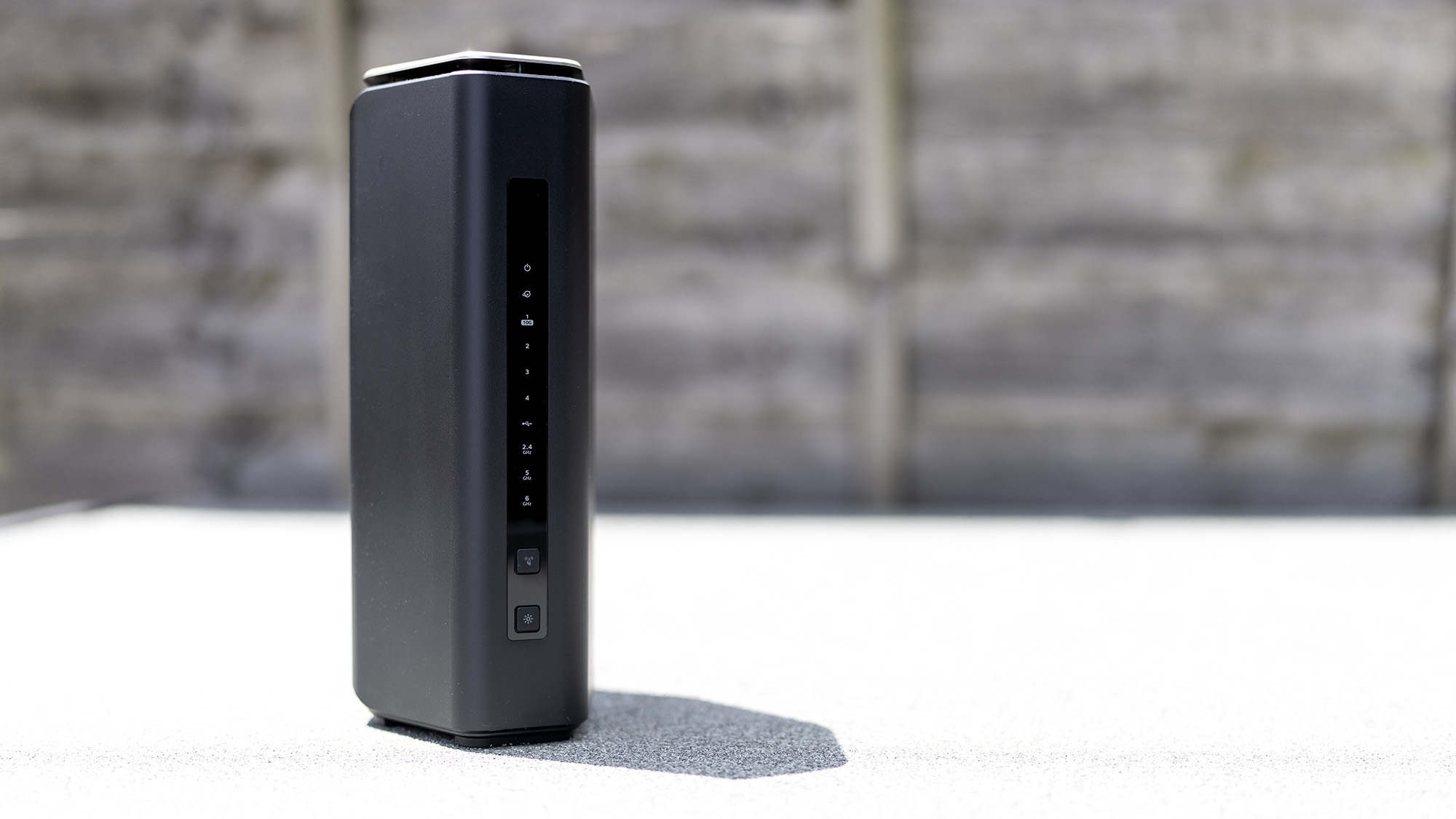
Wifi 7 needs new hardware to work well. Current routers and modems may not support it. Upgrading infrastructure is costly and slow. Many homes and offices still use older equipment. This limits how fast Wifi 7 can spread.
Device Support
Devices must have special chips for Wifi 7. Many phones, laptops, and tablets today do not. It will take years before most devices support Wifi 7. Without device support, faster speeds cannot be enjoyed.
Market Readiness
Many people do not know about Wifi 7 yet. Companies may wait to release Wifi 7 products. They want to see if customers want faster wifi first. The market needs time to accept new technology.

Credit: www.youtube.com
Is Wifi 7 Worth The Upgrade?
Wifi 7 is faster and can connect more devices. If your home has many smart devices, it might help. Think about your internet needs. Are you happy with your current speed? If yes, wait a bit longer. Wifi 6 is still very good for most homes. New tech is fun, but only switch if you really need it.
New Wifi 7 routers might cost more money. Not all devices support Wifi 7 yet. You might need to buy new gadgets. This can add to your expenses. Think about whether it’s worth the cost. Remember, Wifi 6 is still very reliable and fast.
Getting Wifi 7 now could prepare your home for the future. As tech grows, more devices will need faster internet. Wifi 7 can help you stay ready. But always check if your current setup meets your needs first. Upgrading isn’t always necessary right away.
Credit: www.pcgamer.com
Frequently Asked Questions
What Are The Main Differences Between Wifi 7 And Wifi 6?
Wifi 7 offers faster speeds, lower latency, and better capacity than Wifi 6. It supports wider channels and improved multi-device handling, enhancing overall network performance for demanding applications.
Will Wifi 7 Completely Replace Wifi 6 Soon?
Wifi 7 won’t replace Wifi 6 immediately. Adoption depends on device compatibility and user needs. Wifi 6 will still serve many users for years.
How Does Wifi 7 Improve Wireless Performance Over Wifi 6?
Wifi 7 uses advanced technologies like 320 MHz channels and multi-link operation. This boosts speed, reduces interference, and enhances reliability compared to Wifi 6.
Is Upgrading To Wifi 7 Worth It Right Now?
Upgrading to Wifi 7 is beneficial if you need cutting-edge speed and low latency. For most users, Wifi 6 remains sufficient currently.
Conclusion
Wifi 7 offers faster speeds and better performance than Wifi 6. It supports more devices at once and reduces delays. Still, Wifi 6 works well for most homes and offices today. Upgrading depends on your needs and device compatibility. Wifi 7 will become common over time as technology advances.
For now, both standards have their place in wireless networks. Choosing the right one helps improve your internet experience. The future of wifi looks bright and connected.