Are you tired of slow internet and dead zones in your home or office? Choosing the right WiFi technology can make all the difference.
You might have heard about Wifi 6E and Wifi 7, but which one truly gives you better range and performance? Understanding the difference between their ranges can help you decide what fits your needs best. Keep reading to discover how these two WiFi standards compare, so you can enjoy faster, more reliable connections no matter where you are.
Wifi 6e Frequency Bands
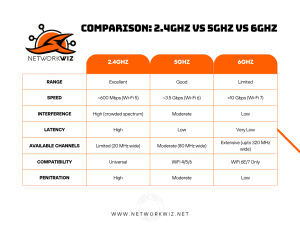
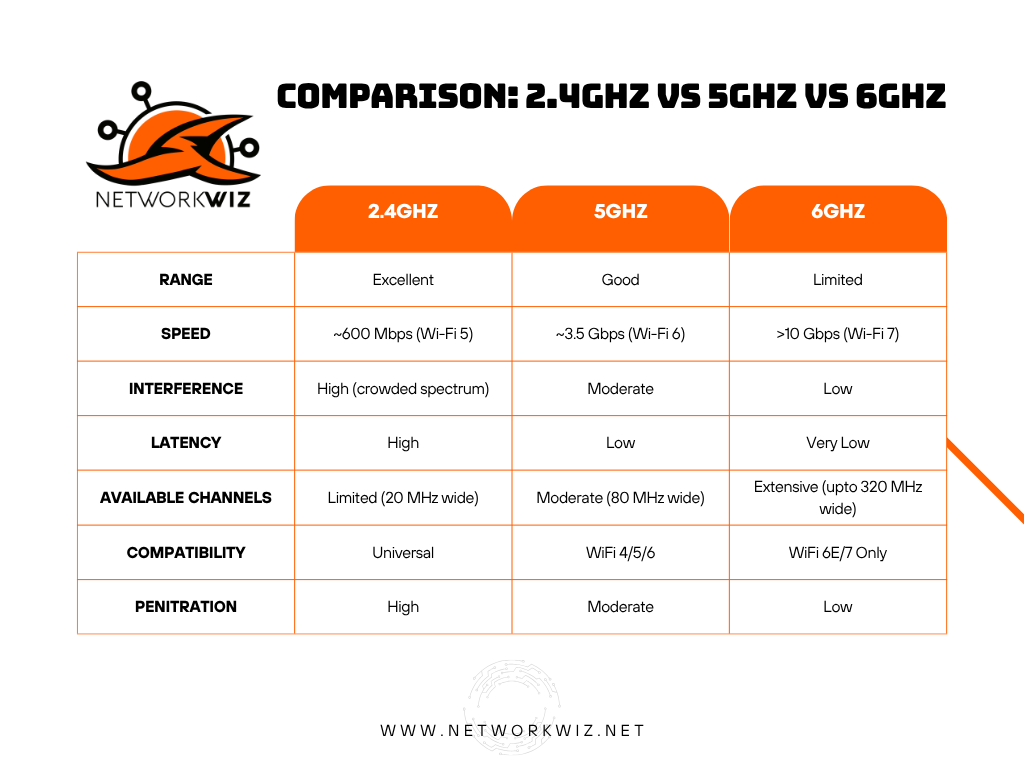
Wifi 6E uses three main frequency bands: 2.4 GHz, 5 GHz, and 6 GHz. The 2.4 GHz band is older and common. It covers a large area but has slower speeds. The 5 GHz band is faster but covers less area than 2.4 GHz. It works well for busy places with many devices.
The 6 GHz band is new. It offers wider channelsand less interference. This means faster speeds and better connection quality. The 6 GHz band helps Wifi 6E devices handle more data at once. It also reduces delays when many devices connect at the same time.
- 2.4 GHz: Long range, slower speed, more interference
- 5 GHz: Medium range, faster speed, less interference
- 6 GHz: Short range, highest speed, least interference
Wifi 7 Frequency Enhancements
Wifi 7uses a new spectrumbeyond Wifi 6E’s 6 GHz band. This means it can access more channels and less crowded frequencies.
The new spectrum allows for faster data and better performance in busy areas. Devices can connect with less delay and more stability.
Wifi 7 supports wider channelsup to 320 MHz. This is double the width of Wifi 6E’s 160 MHz channels.
Wider channels let devices send more data at once. This helps with high-quality streaming, gaming, and large file transfers.
Speed Capabilities
Wifi 6Eoffers a maximum throughput of up to 9.6 Gbps. This speed is achieved by using the new 6 GHz band, which reduces interference and allows more channels. It supports 160 MHz channelsfor faster data transfer. The technology also improves efficiency with OFDMAand MU-MIMO.
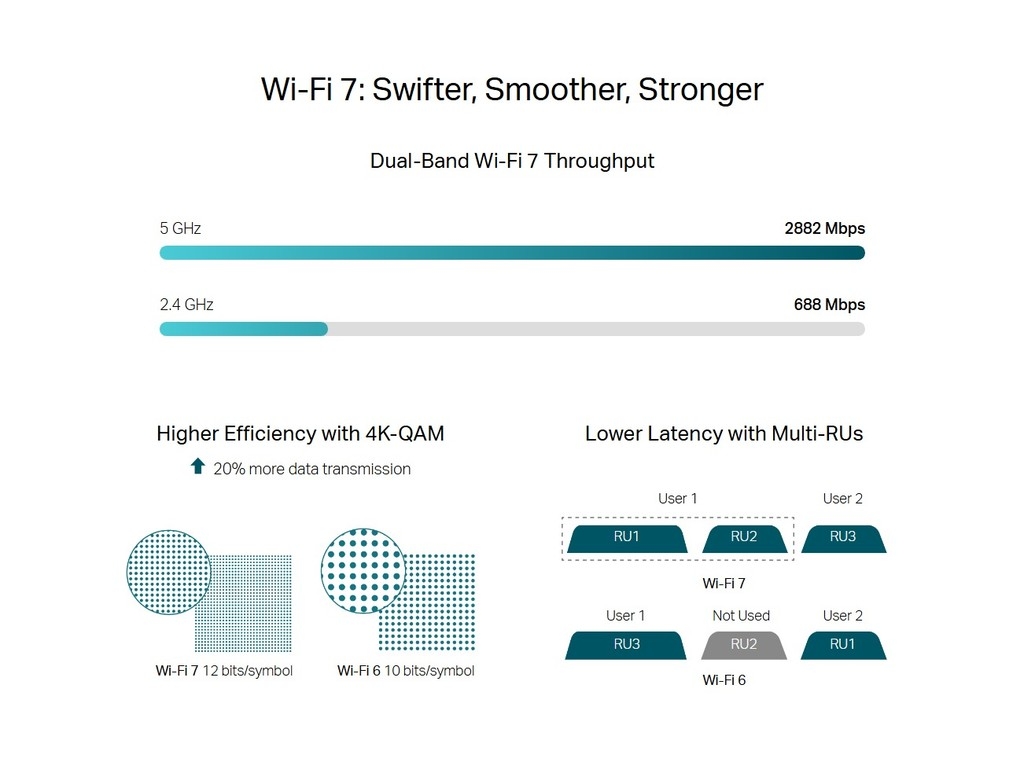
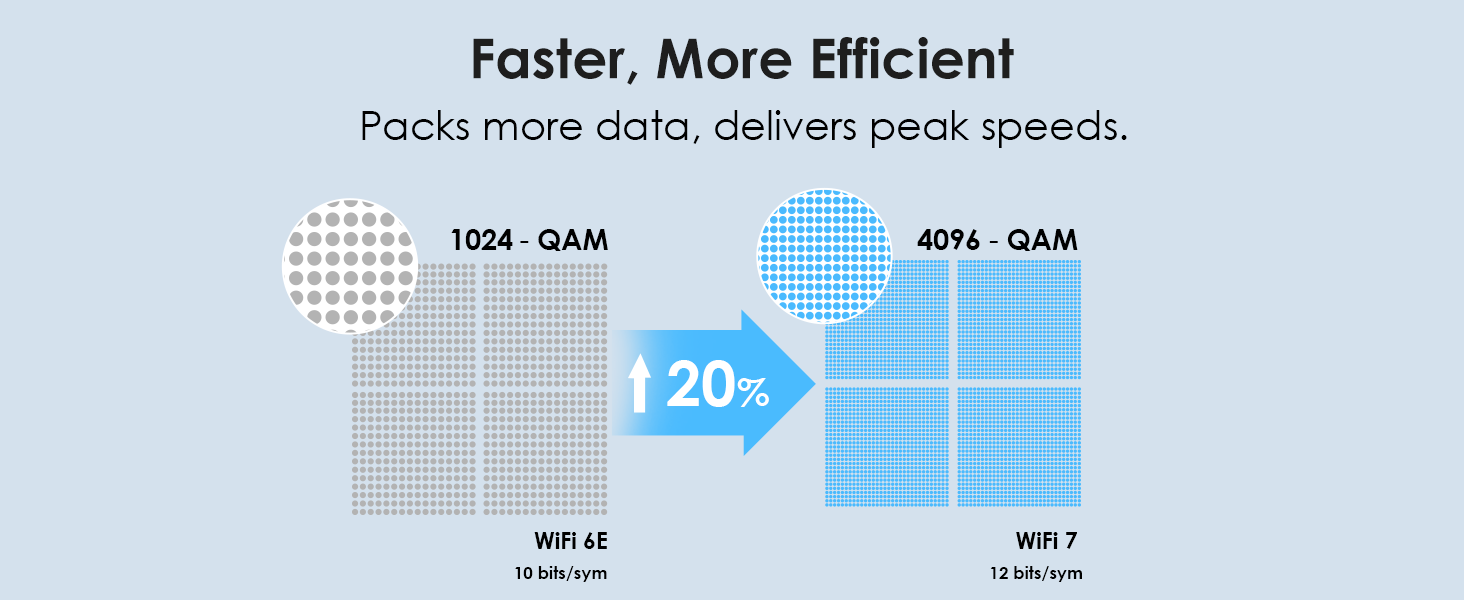
Wifi 7aims to increase speeds even further, targeting a maximum throughput of up to 46 Gbps. This is possible with wider channels of up to 320 MHzand advanced modulation like 4096-QAM. The standard supports more simultaneous data streams, which means better speed for multiple devices.
Credit: visiongadgetry.com
Range And Coverage Factors
Wifi 6Euses the 6 GHz band. It offers faster speeds but shorter range. Wifi 7also uses 6 GHz, but improves on range slightly. Higher frequencies travel less distance. Walls and furniture can block signals. This affects how far the wifi can go. Lower frequencies cover more area but are slower.
Obstacles like walls and doors reduce wifi range. Metal objects and water can block signals. Wifi signals weaken through thick walls. Open spaces allow better coverage. Trees and plants also affect signal strength. Weather changes can impact wifi performance. Rain and snow can weaken signals. Clear days offer better wifi range.
Latency And Performance
Wifi 6Ebrought big improvementsin latency and speed. It uses the new 6 GHz band, which means less interference. This helps devices connect faster and stay stable. The added channels reduce delays and improve performance for many devices at once.
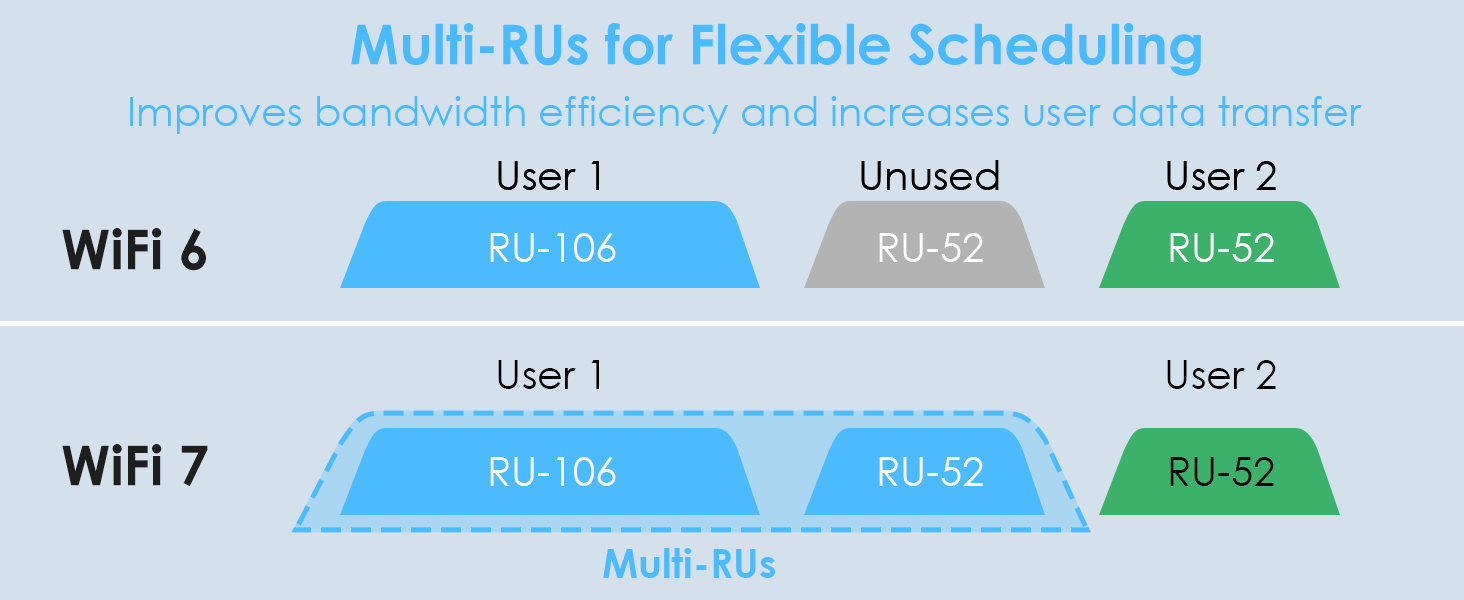
Wifi 7takes latency reduction further. It uses advanced technologies like multi-link operationto send data on different bands at the same time. This lowers delays even more, making it great for real-time tasks like gaming and video calls. Wifi 7 also supports faster data rates, improving overall network responsiveness.
Device Compatibility And Adoption
Device compatibility affects how quickly Wifi 6E and Wifi 7 are adopted. Wifi 7 supports newer devices and offers a wider range than Wifi 6E, but older gadgets may not connect. This impacts user experience and network reach.
Current Wifi 6e Devices
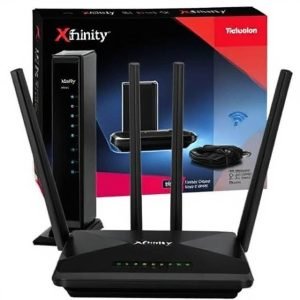
Wifi 6E is available in many modern devicestoday. Many new smartphonesand laptopssupport Wifi 6E. Some popular devices include the latest iPhonesand Samsung Galaxyphones. Many new routersalso have Wifi 6E. This makes connections fasterand more reliable. Wifi 6E is great for homes and offices. It helps with multiple devicesand streaming.
Upcoming Wifi 7 Hardware
Wifi 7 is coming soon. It promises even better speedand range. New devices will have Wifi 7 in the future. Many tech companiesare working on it now. Wifi 7 will improve gamingand video calls. It will handle more devicesat once. This is exciting for tech lovers.
Use Cases And Applications
Home networkingbenefits from both Wifi 6E and Wifi 7. Wifi 6E offers good speed and can handle many devices well. It uses the 6 GHz band, so it faces less interference and works well in crowded areas. Wifi 7 promises even faster speeds and better range, making it great for big homes or streaming multiple 4K videos at once.
Enterprise and industrial usesdemand strong, reliable connections. Wifi 6E supports many devices in offices with low delay. Wifi 7 adds improved capacity and lower latency, perfect for factories or large office buildings. It helps machines and workers stay connected without delays.
| Use Case | Wifi 6E | Wifi 7 |
|---|---|---|
| Home Streaming | Good for 4K video, less interference | Supports multiple 4K/8K streams smoothly |
| Device Handling | Handles many devices well | Better for very dense device environments |
| Office Networks | Low delay, good for meetings | Lower latency, better for real-time tasks |
| Industrial Use | Stable, reliable connections | Improved capacity and faster data flow |
Credit: www.newegg.com
Future Trends In Wifi Technology
Wifi 6Euses the 6 GHz band, offering faster speeds but with shorter rangethan older bands. It works best in open spacesand fewer walls. Wifi 7is expected to improve range by using better signal technology and wider channels. This means devices can connect at greater distances without losing speed.
Integrating 5Gwith future Wifi could help extend coverage. 5G networks provide wide area connections, while Wifi handles local, high-speed links. Together, they can give seamless internetindoors and outdoors. This blend will support more devices and better connectivity in crowded places.
Credit: www.newegg.com
Frequently Asked Questions
What Is The Main Difference Between Wifi 6e And Wifi 7 Range?
WiFi 7 offers improved range and speed compared to WiFi 6E. It uses advanced technologies like wider channels and better modulation. This enhances signal strength and coverage, especially in congested areas, providing more reliable connectivity over longer distances.
Does Wifi 7 Have A Better Range Than Wifi 6e?
Yes, WiFi 7 generally provides a better range than WiFi 6E. It supports higher data rates and improved spatial streams, which boost signal reach. Additionally, WiFi 7’s enhanced interference management helps maintain strong connections over greater distances.
How Does Frequency Band Affect Wifi 6e And Wifi 7 Range?
WiFi 6E operates mainly on the 6 GHz band, offering high speeds but shorter range. WiFi 7 uses 2. 4 GHz, 5 GHz, and 6 GHz bands, balancing range and speed. Lower frequencies provide better range, while higher frequencies offer faster data transfer.
Can Wifi 7 Improve Signal In Crowded Environments?
Yes, WiFi 7 improves signal performance in crowded areas. It uses multi-link operation and better interference handling. This reduces signal drops and congestion, offering a more stable and extended range compared to WiFi 6E.
Conclusion
Wifi 6E and Wifi 7 both offer strong wireless signals. Wifi 7 promises faster speeds and better connections. Wifi 6E works well in crowded areas. Range depends on many factors like walls and devices. Choosing the right wifi depends on your needs.
Think about your space and internet use. Both standards will improve your online experience. Stay updated as technology keeps changing. Better wifi means easier streaming, gaming, and browsing. Your choice shapes your home or office network.